Effective content strategies enhance ROI by focusing on depth, broad distribution, and sustained engagement, especially for complex insurance purchases.
Understanding Content ROI in the Insurance Sector
When it comes to content marketing, especially in the insurance industry, a successful strategy doesn't hinge solely on increased production. Instead, the most effective approaches are built on deeper expertise, extended audience distribution, and prolonged engagement with the content. These elements are fundamental to enhancing return on investment (ROI) over time.
The Importance of a Long-Term Approach
Investing time, skill, and finances into content requires that it generates meaningful value. However, content-related ROI isn’t instantaneous. Without a strategic, long-term plan, the full benefits often remain untapped. This is particularly true for content related to complex buying decisions, such as insurance, where customer choices are rarely made impulsively based on a single piece of content. Buyers typically engage with multiple content pieces during their research phase, weighing expertise and assessing options before arriving at a decision.
The ROI Equation: Depth, Distribution, Duration
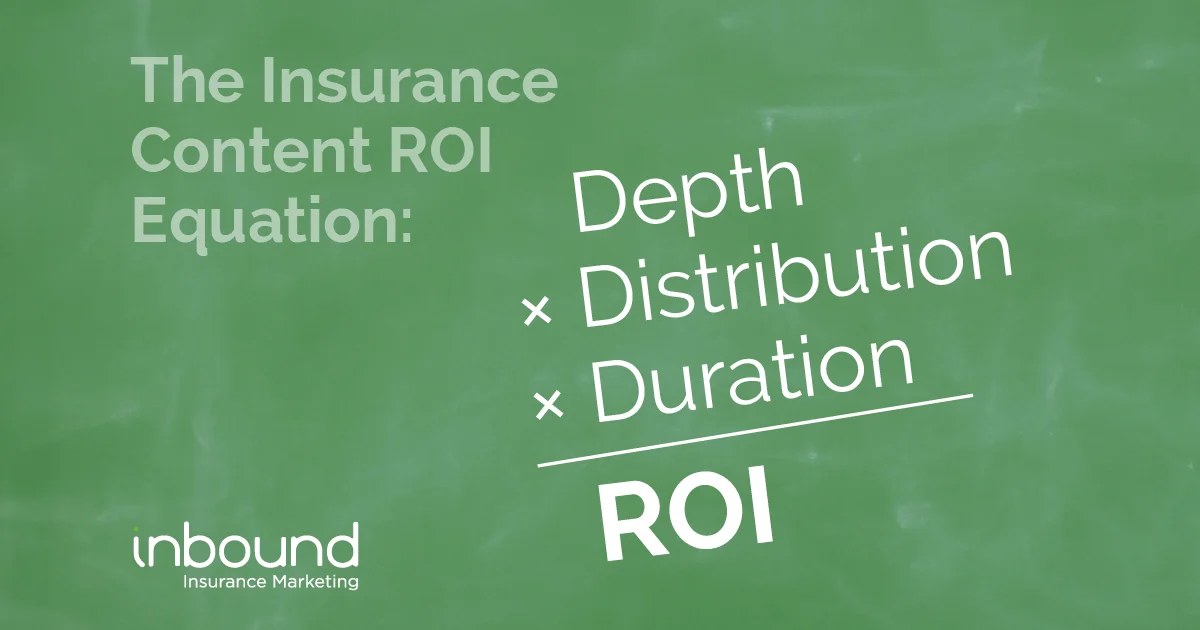
To navigate the buyer’s journey effectively, a different approach to content strategy is necessary. You could visualize it as a conceptual equation: Depth X Distribution X Duration = ROI. Failing to appreciate this equation can lead to poor results.
Avoiding the Spaghetti Method
Many brands take a scattershot approach, producing a plethora of shallow content across a wide array of topics—a method I refer to as the “spaghetti method.” This strategy essentially throws random ideas at the wall to see what resonates. Yet, without depth, very little sticks; shallow content lacks the meaningful insights required to distinguish one brand's messages from another's.
Volume vs. Authority
The sheer volume of content does not equate to authority. A robust content strategy should lead to significant output, including articles, social media posts, guides, and research reports. However, it's vital to recognize that volume results from cultivating and activating substantial ideas rather than being the primary objective.
How to Create Depth
Creating deep content demands focus. Identify the specific topics you want to be synonymous with your organization, and then produce rich, interconnected content that fosters a deeper understanding. Each piece should contribute to a larger conversation, reinforce your brand’s view, and assert your authority in the field.
From Publishing to Activating Content
Publishing valuable articles, guides, and reports on your website is merely the first step. Once you've established your expertise, you have to activate that content through various channels to maximize its reach. Otherwise, the valuable resources you’ve created won’t connect with enough of the right audience to yield meaningful returns.
Building a Distribution Engine
Social media can enhance awareness; third-party channels and earned media can broaden your reach; and email marketing can nurture existing relationships. Additionally, executives and subject matter experts can amplify the distribution through their personal networks. When combined effectively, these strategies form a strong distribution engine that continues to draw attention to your content over time, rather than letting it fade after a brief period.
Duration and Long-Term Value
Creating valuable content demands investment, and maintaining its visibility requires an ongoing commitment. Duration not only enables compounding value but also ensures content doesn’t fade into irrelevance due to neglect. Relying solely on leaving content online for an extended duration isn't sufficient; it must be an active effort to keep content alive and relevant.
Strategies for Sustaining Content Value
By regularly updating, repackaging, or redistributing valuable content, you create additional opportunities for engagement, ensuring that your investment continues to deliver value. For example, if you've published 20 articles and the returns aren’t meeting expectations, simply doubling your output may not solve the underlying issues. Instead, assess your current strategy: Are your content pieces providing substantial depth? Is distribution effective? Are you ensuring your most valuable content remains active long enough to generate consistent ROI?
The Role of Content Strategies
Employing frameworks such as a Content Capsule can help you build on depth and distribution, while activation encourages the continued movement of your expertise across different channels. Furthermore, content rejuvenation plays an essential role in extending the lifespan of your best-performing assets.
Conclusion
With a strategic focus on depth, distribution, and duration, the process will not only enhance your understanding of content ROI but also allow you to enrich your content marketing efforts significantly. By working towards a thoughtful approach, you can navigate the complexity of insurance purchases and establish your brand as a trusted resource over time.


