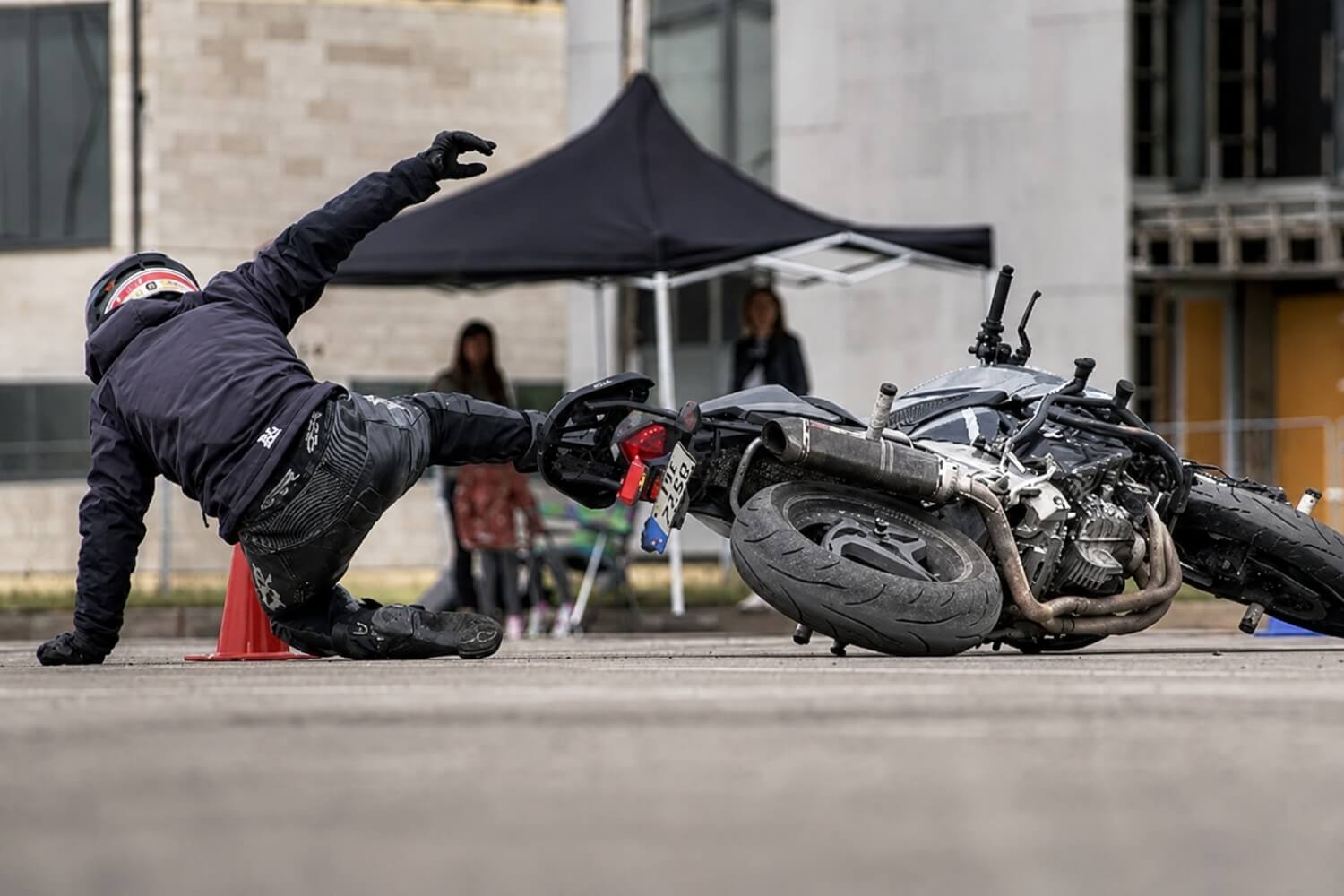
Many motorcycle claims stem from seemingly minor habits. Understanding and addressing these can help riders stay safe and reduce the likelihood of claims.


 6 Minute Read |
  Ontario Riders |
  Insurance Awareness |
  Key Takeaway: Most motorcycle claims begin with small habits riders stop noticing.
Understanding the Roots of Motorcycle Claims
Many riders operate under the misconception that serious insurance claims arise only from major accidents. While this is occasionally the case, numerous claims stem from less apparent issues. Often, they originate not from blatant errors, but from habitual mistakes that riders fail to acknowledge. Skipping routine pre-ride inspections or becoming too comfortable on well-known routes can lead to significant problems. The real danger lies in complacency—risks accumulate quietly over time until they manifest in a claim or accident.
The Common Threads Behind Claims
Insurance claims often don't result from catastrophic blunders but rather from familiar, routine rides:
- The route traversed repeatedly.
- The daily commute memorized.
- A brief excursion that feels the same as always.
- Moments when attention wanes due to over-familiarity.
These situations reflect a common theme: complacency. This mindset develops subtly, influencing decisions and increasing vulnerability.
Personal Experiences Reflecting Common Mistakes
Common scenarios that many cyclists experience include:
- Taking a familiar turn slightly faster than usual.
- Forgetting to check the bike because it seemed fine.
- Ignoring road conditions you’ve previously navigated.
- Tailgating due to anticipated consistency in traffic flow.
The most substantial risks often arise during routine rides, disguising themselves as non-threatening environments where riders let their guard down.
Pre-Ride Readiness: A Critical Phase
Every motorcycle journey begins long before the engine roars to life. Many riders overlook the initial 10 to 15 minutes of a ride, during which both motorcycle and rider need time to adjust. This phase can be riskier than recognized:
- Tires may be cold and lack optimal grip.
- Brakes and handling might feel unfamiliar.
- Rider attention may still be transitioning from everyday distractions.
- Situational awareness may take a moment to fully engage.
Markedly, studies indicate that 88% of severe motorcycle injuries occur within 10 miles from home. Familiar roads can be particularly deceptive, and cold tires raise stopping distances significantly—by up to 30% until they warm sufficiently. These insights emphasize the necessity of heightened vigilance during the early phase of any ride.
Tip for Riders
The most prudent riders use the start of their journey to actively orient themselves. A brief pre-ride inspection can include:
- Checking tire pressure and conditions.
- Ensuring brakes are responsive, and controls are functioning.
- Verifying gear is secure and comfortable.
- Reviewing the planned route and its potential hazards.
- Gaining mental focus before setting off.
Bottom Line
Smoothing the transition into riding is critical. Taking these extra moments can significantly reduce risks right from the start.
Experience vs. Discipline in Riding
While experience undoubtedly benefits riders, it can also foster a misleading sense of security. Research shows that 92% of those involved in motorcycle accidents are experienced riders. Familiarity can breed overconfidence, leading to oversight of critical safety protocols. This trend reveals that single-vehicle accidents account for a sizable portion of fatal crashes, often occurring when riders least expect trouble.

The timeline of a rider’s development typically showcases:
- New riders show heightened attentiveness.
- Intermediate riders gain confidence.
- Experienced riders become overly comfortable.
As comfort grows, discipline may dwindle, reflected in subtle shifts in behavior:
- Speeding slightly while cornering.
- Being less cautious about following distances.
- Neglecting changes in road conditions.
- Assuming past experiences guarantee safety.
Key Insight
Experience holds value, but maintaining discipline is essential to ensure safety on the road.
Recognizing Mental Distractions
Distraction on a motorcycle is not solely about technology; it can also be psychological. Riders may appear focused—both hands on the bars and eyes on the road—but their thoughts can wander, impairing their readiness to react to hazards. Typical distractions include:
- Personal stress or distractions from work.
- Riding with an unaccustomed passenger.
- Keeping pace during a group ride.
- Distractions from a GPS adjustment or scenic views.
- Concentrating on the actions of fellow riders rather than their own maneuvers.
Such lapses contribute significantly to incidents. Data shows that riders aged 30 to 59 are particularly vulnerable, representing over half of both hospitalizations and fatalities related to motorcycles.
Preparing for the Unexpected
One often neglected aspect of riding is readiness for after an incident occurs. Riders may find themselves unprepared for critical post-accident actions, including:
- Lack of access to important information.
- Inavailability of emergency contacts.
- Not having current coverage details on hand.
- Uncertainty regarding the next steps to follow after an incident.
Preparation takes minor effort but pays off when it's most needed, ensuring riders can handle stressful situations calmly and effectively.
Practical Insight
It's always best to prepare for emergencies before they arise, so that reactions become instinctive rather than reactive.
Recognizing Complacency
Common expressions indicative of creeping complacency often sound like:
- "I've ridden this route countless times."
- "I’ll just be a minute."
- "No need for a check today."
- "Nothing usually happens here."
- "I know enough by now."
Essential Pre-Ride Checklist
 Conduct a quick bike inspection.
Assess route conditions.
Ensure gear is fitted properly.
Stay focused and alert during the ride.
Keep emergency information readily accessible.
Frequently Asked Questions by Riders
Do experienced riders encounter fewer claims?
Experience is beneficial, yet familiarity can introduce unforeseen risks.
Where do motorcycle thefts typically occur?
They can happen anywhere opportunities present themselves.
Should riders perform inspections each time?
An inspection can catch small issues before they escalate.
What information should riders keep at hand?
Necessary details include insurance information, emergency contacts, and bike specifics.
Riding habits invariably evolve, and insurance coverage should reflect these changes. As riding patterns shift—like increased mileage or alterations in route—engaging in discussions with insurance experts can clarify whether your coverage aligns with your current circumstances.
 1-877-251-4504
 ridersplus.com
We’re riders too and always happy to assist. Get a motorcycle insurance quote from us today.
References
Haas, L., Zaki, T., Hsiang, W., Leslie, M. P., & Wiznia, D. H. (2020). A review of common motorcycle collision mechanisms of injury. EFORT Open Reviews, 5(9), 544–548. https://doi.org/10.1302/2058-5241.5.190090
National Highway Traffic Safety Administration. (2026). Motorcycle safety: Understanding the problem. In Countermeasures that work: A highway safety countermeasure guide for State Highway Safety Offices. U.S. Department of Transportation. https://www.nhtsa.gov/book/countermeasures-that-work/motorcycle-safety/understanding-problem
BC Injury Research and Prevention Unit. (2026). Road safety: Motorcyclists. Injury Research BC. https://www.injuryresearch.bc.ca/injury-priorities/road-safety-motorcyclists
The post Common Motorcycle Riding Errors Leading to Insurance Claims in Ontario appeared first on Riders Plus Insurance.


