Explore how Harley-Davidson and Indian Motorcycle compare in brand community, model offerings, dealer network, and insurance in Ontario.
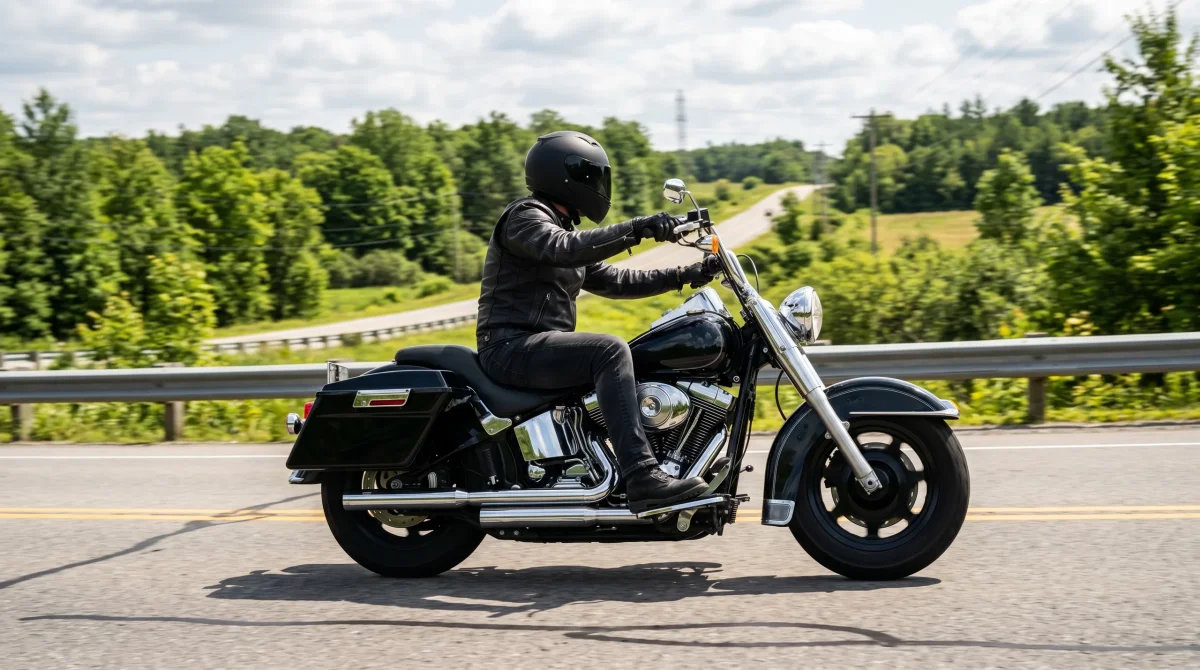
The discussion between Harley-Davidson and Indian Motorcycle remains a hot topic in 2026, and it’s more relevant than ever. With Indian closing the quality gap and Harley-Davidson offering a stronger lineup than in previous years, the competition for Ontario's cruiser riders has intensified. Both brands are focusing on experienced riders who appreciate American V-twin engines and have access to reliable dealer networks for maintenance and parts. This article explores their differences and similarities, particularly in the cruiser segment, which dominates purchases among Ontario enthusiasts.
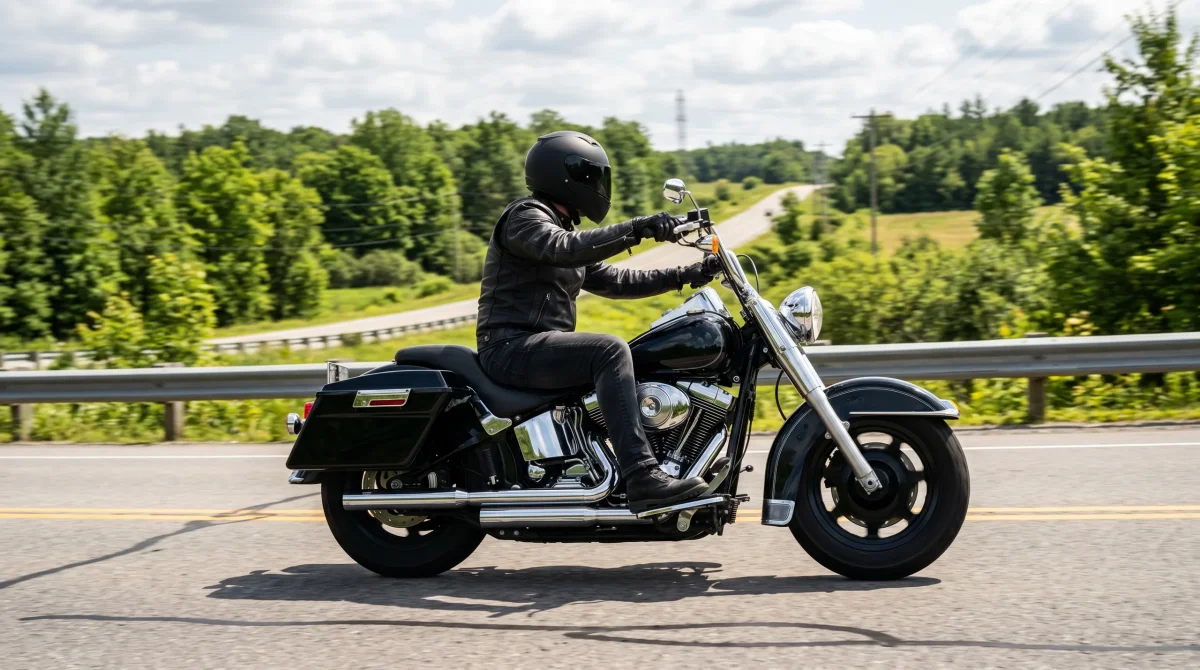
Beyond Cruisers
Both Harley-Davidson and Indian Motorcycle have significantly diversified their offerings beyond traditional cruisers. Harley now includes the Pan America 1250, an adventure tourer, and has created LiveWire as its dedicated electric motorcycle brand. Meanwhile, Indian introduced the FTR 1200 in 2024, along with the new Sport Scout and 101 Scout, catering to riders looking for sportier ergonomics. However, this article focuses mainly on cruisers, as it’s the segment where both brands perform best and where most Ontario riders are shopping.
Brand Identity and Community
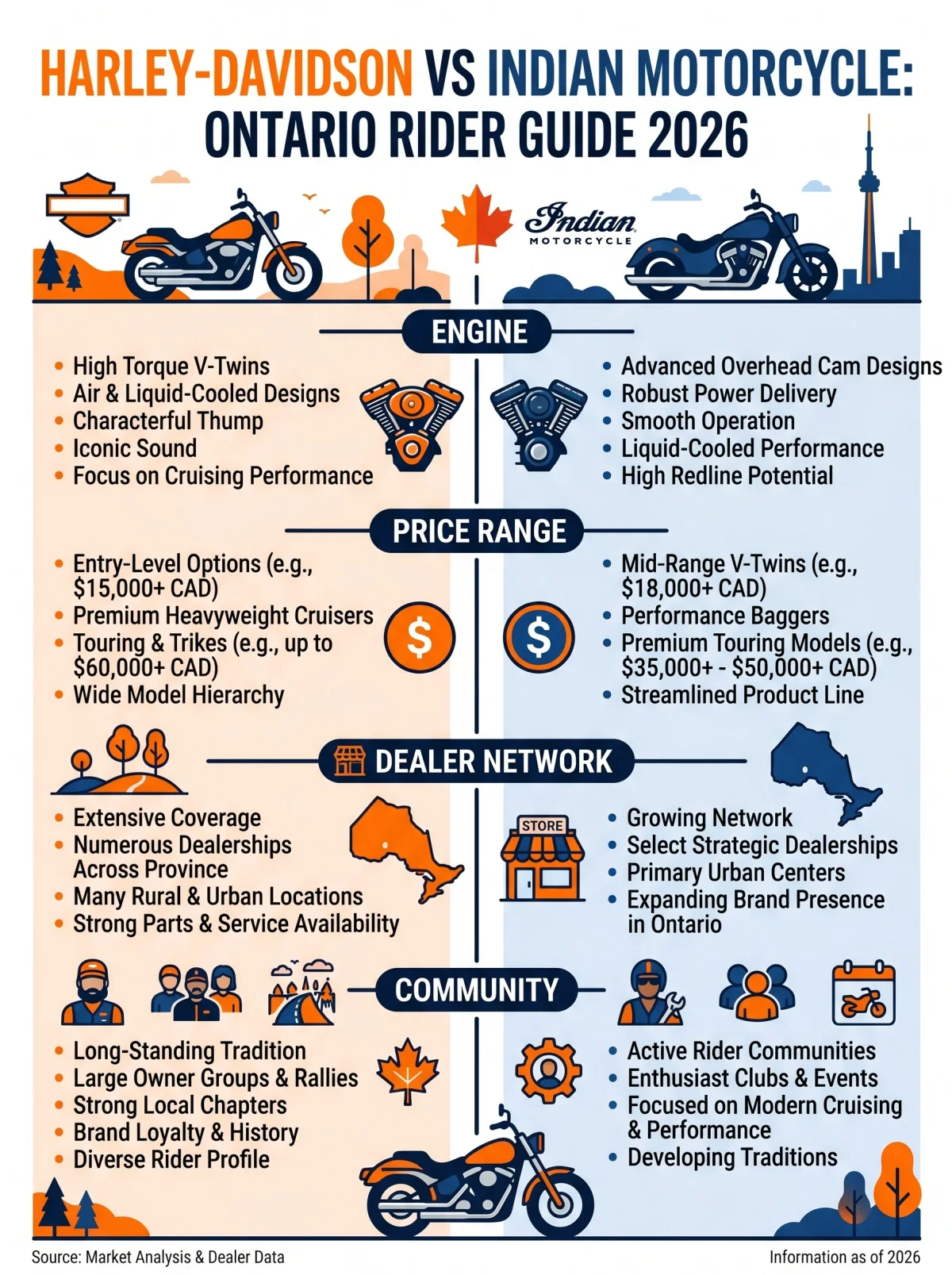
Purchasing a motorcycle from either Harley-Davidson or Indian goes beyond just the bike; it involves joining a community. Harley has the Harley Owners Group (HOG), which boasts a larger and more established presence in Ontario. Many mid-sized cities have active HOG chapters that organize rides and events throughout the season. This network can be advantageous for those who value structured group riding.
In contrast, Indian’s Motorcycle Riders Group (IMRG), while smaller, cultivates a tight-knit community and hosts enthusiastic events organized through local dealers. If you prefer a more intimate riding group, you might find the Indian community particularly appealing.
When it comes to resale value, Harley has a more extensive history in the Canadian market. Models like the Road King, Street Glide, and Fat Boy have shown to retain their value well over five years. Indian is establishing its reputation for resale, and models such as the Scout and Chief are gaining stability. However, if resale is a significant concern, Harley's established presence makes it a safer bet in the used market.
Did you know? Indian Motorcycle dates back to 1901, predating Harley-Davidson by a couple of years. However, the contemporary Indian brand, under Polaris since 2011, has little connection to its original beginnings, making the rivalry between the two brands more complex than their marketing suggests.
Head-to-Head Model Matchups
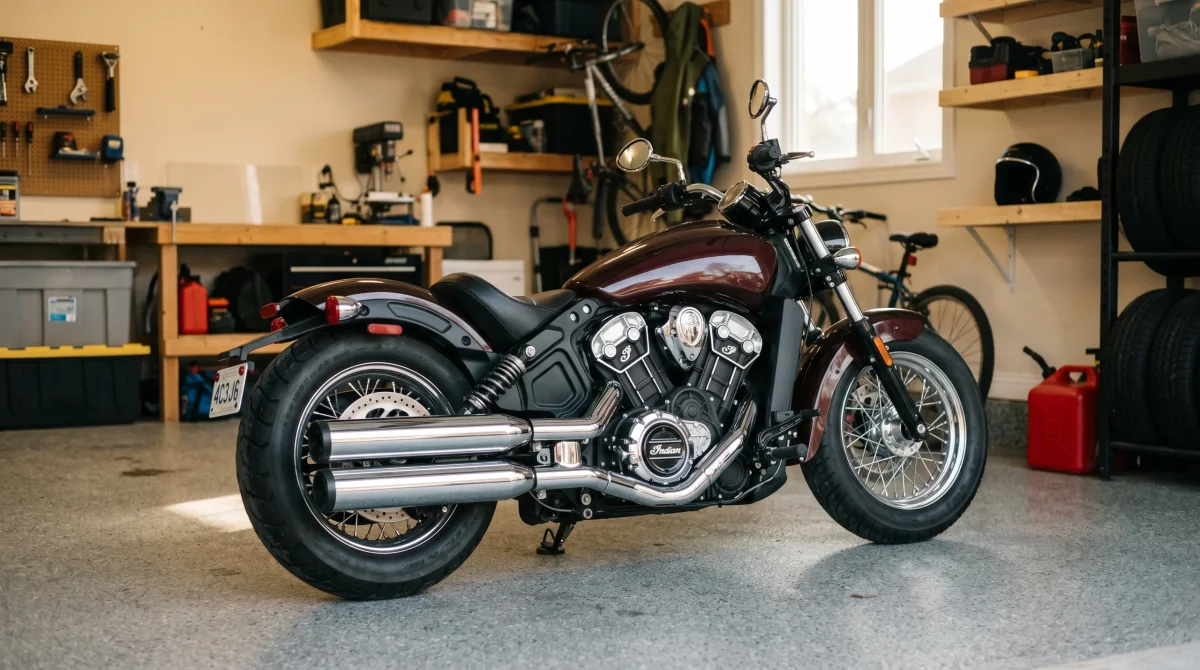
To make an accurate comparison, it’s essential to align models within similar segments rather than selectively picking the best features from each brand. The following table summarizes notable competitors between Harley-Davidson and Indian Motorcycle:
| Segment | Harley-Davidson | Indian Motorcycle |
|---|---|---|
| Entry Cruiser | Nightster (975cc Revolution Max, approx $13,700 to $16,200 CAD) | Scout Sixty (999cc SpeedPlus, approx $13,000 to $15,000 CAD) |
| Mid Cruiser | Street Bob 117 / Low Rider S (Milwaukee-Eight 117, approx $21,900 to $26,000 CAD) | Scout (1,250cc SpeedPlus) / Chief Dark Horse (Thunderstroke 116, approx $16,500 to $22,400 CAD) |
| Touring | Road King Special (Milwaukee-Eight 114) / Street Glide (Milwaukee-Eight 117, approx $33,100 to $36,000 CAD) | Roadmaster (Thunderstroke 116 or PowerPlus) / Challenger (PowerPlus 108 or 112, approx $34,000 to $42,000 CAD) |
| Style Flagship | Fat Boy 117 / Low Rider ST | Super Chief / Springfield |
| Canadian MSRP Range | $13,700 to $40,000+ | $13,000 to $42,000+ |
The entry-level matchup between Harley's Nightster and Indian's Scout Sixty is particularly noteworthy due to their comparative displacement and pricing. The full-size Scout and Chief models, listed under mid-cruiser, provide a fair comparison against Harley’s offerings in that segment.
At the touring level, both brands have fully-loaded bikes ready for long-distance travel. Ultimately, discerning between the two often comes down to individual preferences regarding style and ergonomics, as well as the reliability of local dealers.
Ontario Context: Dealer Networks, Parts, and Winters
Both Harley-Davidson and Indian have established comprehensive dealer networks across Ontario. Major cities like Toronto, Ottawa, Hamilton, and Kingston all have authorized dealers for each brand. Access to these services can make a significant difference, especially in the event of part shortages or warranty issues when you’re far from home.
When it comes to parts availability, Harley holds an advantage, particularly in less urbanized areas. The aftermarket parts ecosystem for Harley is extensive, featuring suppliers like Kuryakyn and S&S across various independent shops. While Indian parts can easily be obtained through authorized dealers, the number of independent shops that work on Indian bikes is limited outside urban centers. Riders in smaller markets might prefer Harley for better component access.
Both brands face similar challenges with winter storage, as Ontario’s cooler months typically see a four to five-month downtime. Essential maintenance practices such as proper battery care and fuel stabilizer applications are standard for all riders, regardless of brand.
How Brand Affects Your Insurance in Ontario
In Ontario, both Harley-Davidson and Indian Motorcycle are classified as cruisers rather than sport or performance bikes, impacting insurance ratings significantly. Cruisers have a different risk association, which can lead to more favorable premium rates compared to sportier models.
What’s more important is the specific model when determining rates within the cruiser classification. For instance, a touring bike like the Road Glide is generally rated differently than a lighter model like the Nightster. Similarly, an Indian Challenger would not receive the same rate as a Scout Bobber due to usage and claims history distinctions.
For custom or limited-edition models, it’s essential to have accessory coverage if you’ve customized your bike with aftermarket parts. Insurers typically look to differentiate between stock models and those that have extensive modifications.
Both brands are covered under Riders Plus Insurance, which can help potential buyers understand costs before making a purchase decision. A consultation with a Riders Plus broker can provide insights into premiums based on specific models in Ontario.
Frequently Asked Questions
Is Indian or Harley more reliable for long Ontario rides?
As of 2026, both brands are considered reliable for long rides. Harley's Milwaukee-Eight engine, introduced in 2017, has shown consistent reliability, while Indian’s Thunderstroke and newer PowerPlus engines also have solid performance records. Rather than the brand itself, maintenance and dealer access play a crucial role in long-distance reliability.
Does it cost more to insure a Harley or an Indian in Ontario?
Pricing for insurance between equivalent models from both brands is generally minor. Riders are usually rated by model-specific factors more than by individual brand characteristics. Factors such as riding history and declared mileage tend to contribute more to overall premiums.
Which brand has better parts availability in rural Ontario?
Harley excels with a larger aftermarket and independent shop network, increasing the likelihood of finding components in rural areas. Indian, while having robust dealer availability, lacks the same level of independent support outside urban centers.
Can I insure a US-spec Harley or Indian imported to Canada?
Importing a motorcycle from the U.S. requires compliance with Canadian standards, and the bike needs to be registered in Ontario for insurance. Modifications may be necessary for safety compliance, and consulting a specialized broker is advisable.
Deciding between Harley-Davidson and Indian Motorcycle ultimately depends on personal preferences, the riding community you want to be part of, and the local dealer support you can access. Both brands produce fantastic cruisers, and taking the time to explore financial considerations like insurance options can smooth your decision-making process.


