Making modifications to your motorcycle can impact your insurance coverage. Understand which changes are permissible and their potential effects to stay protected.
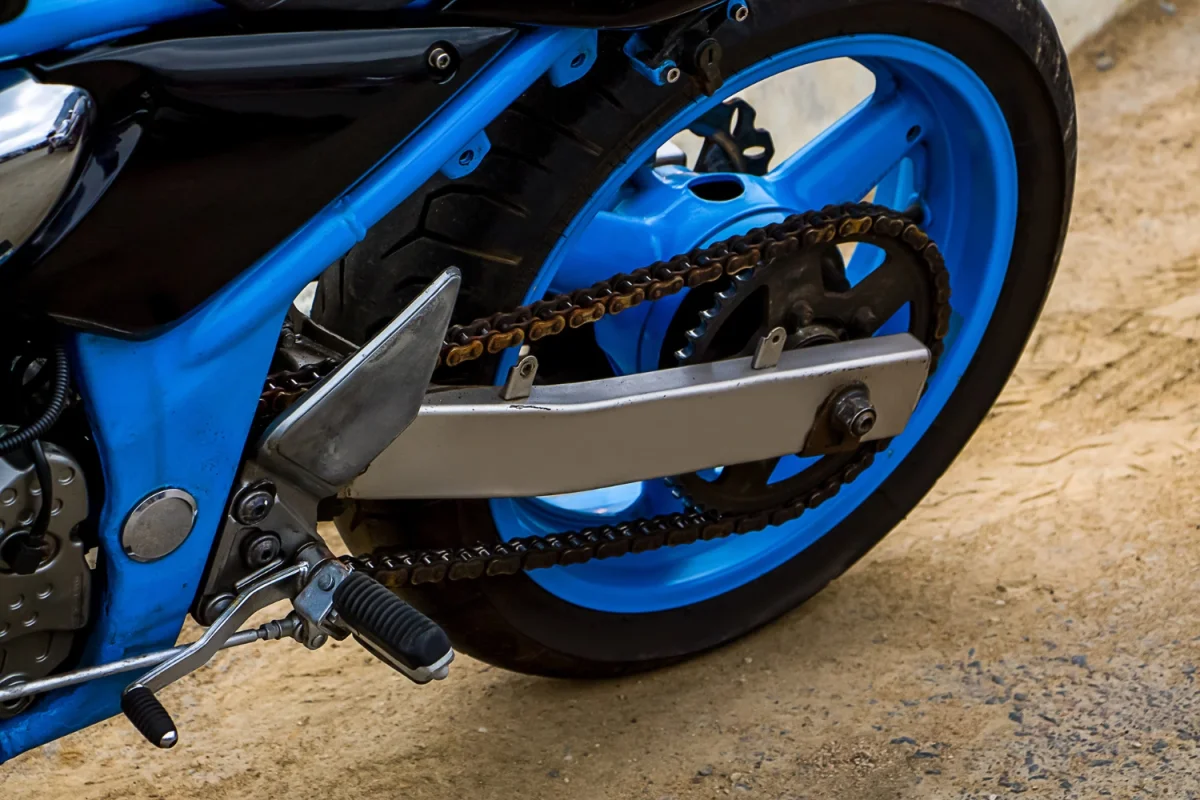
If you're a motorcycle enthusiast, customizing your bike is likely part of the riding experience—enhancing performance, comfort, or aesthetics. However, many riders overlook how these modifications can impact their motorcycle insurance coverage. In some cases, failing to report changes can even void your policy. Here's what you need to know if you're considering upgrading your ride in Ontario.
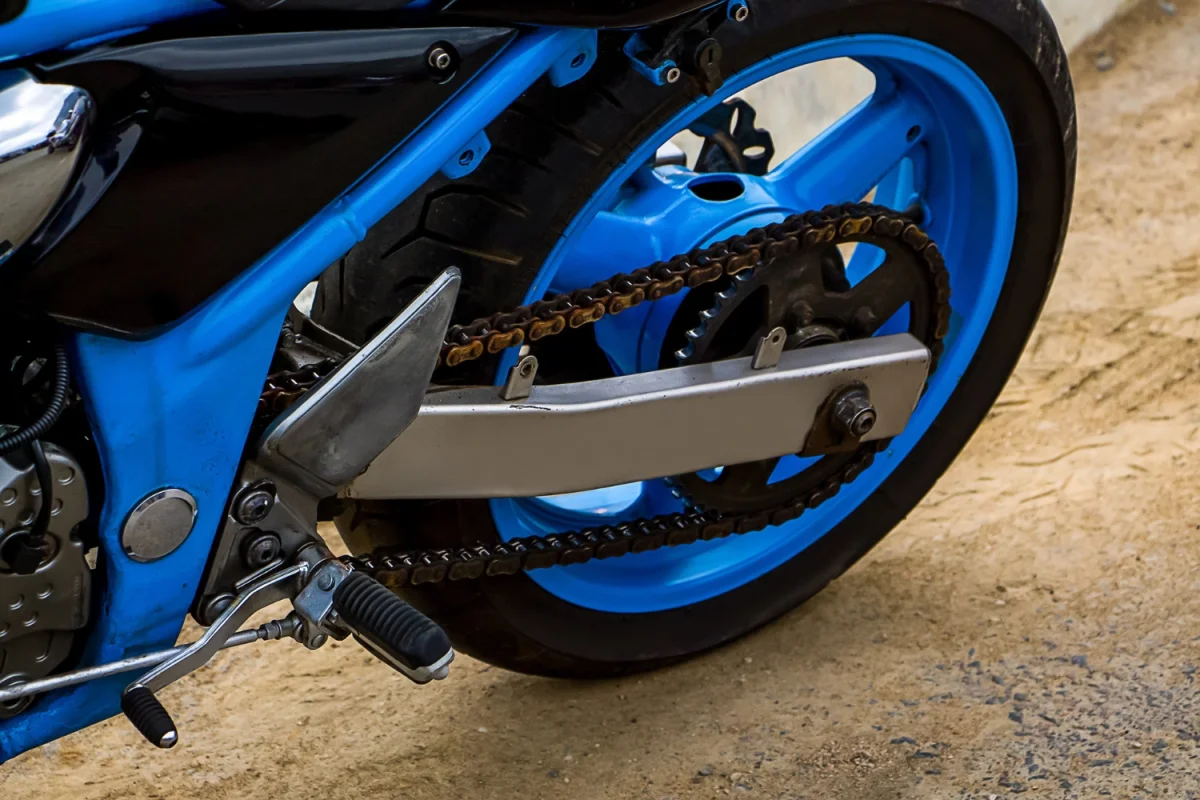
Understanding Insurance Risk Factors
When determining your insurance rates and coverage, insurers assess the risk associated with your motorcycle. This assessment considers accident likelihood, repair costs, and adherence to safety standards. Any modifications you make can alter this risk profile, possibly leading to changes in coverage or premiums.
Insurers are particularly interested in upgrades that enhance performance or change the bike's functionality. If any modifications make your motorcycle faster, riskier, or more valuable than it was when insured, you must inform your insurer.
Acceptable Modifications
Some modifications generally fall within acceptable parameters for insurers—these typically involve cosmetic updates rather than performance alterations. Common modifications that usually won't affect your coverage include:
- Minor custom paint jobs or decals
- Aftermarket exhaust systems (provided they comply with local noise regulations)
- Handlebar upgrades that meet provincial standards
- Custom seats and mirrors
- Frame sliders for added protection
- Windshields or fairings
- Saddlebags or luggage racks
- Foot pegs and footrests
- Aftermarket air filters
- LED lights and phone mounts
- Motorcycle-rated tires
While these modifications are generally acceptable, it’s crucial to report them to your insurance broker. Typically, they won’t result in increased rates or restricted coverage.
Modifications That May Complicate Coverage
Some modifications cross the line into territory that insurers view as risky, which can lead to complications with your coverage. It's wise to consult with your broker before undertaking any of the following modifications:
- Engine swaps or significant performance tuning
- Alterations to frame geometry, such as extended forks or highly customized choppers
- Additional performance components like turbochargers or nitrous oxide systems
- Using car engines or parts on motorcycles
- Changes to the fuel system that deviate from the original design
- Excessive paint jobs valued over $5,000 or 20% of the bike's total worth
- Custom-built components like gas tanks, fenders, or frames
- Using automobile tires instead of motorcycle-rated ones
- Modifications that violate provincial safety regulations
- Changes that represent more than half of the motorcycle's original manufacturer suggested retail price (MSRP)
Having any of these modifications may disqualify your motorcycle from standard insurance policies, so it's important to tread carefully.

Best Practices for Making Modifications
Customizing your motorcycle doesn’t have to come at the expense of your insurance coverage. Follow these steps each time you consider an upgrade:
- Consult Your Broker: Always start with a conversation about your modification plans. Reach out to your broker at Riders Plus Insurance at 1-877-251-4504, or use our Instant Online Quote Tool to clarify insurance implications.
- Maintain Detailed Records: Document every modification with receipts, photos, and descriptions. This documentation can prove invaluable should you ever need to file a claim.
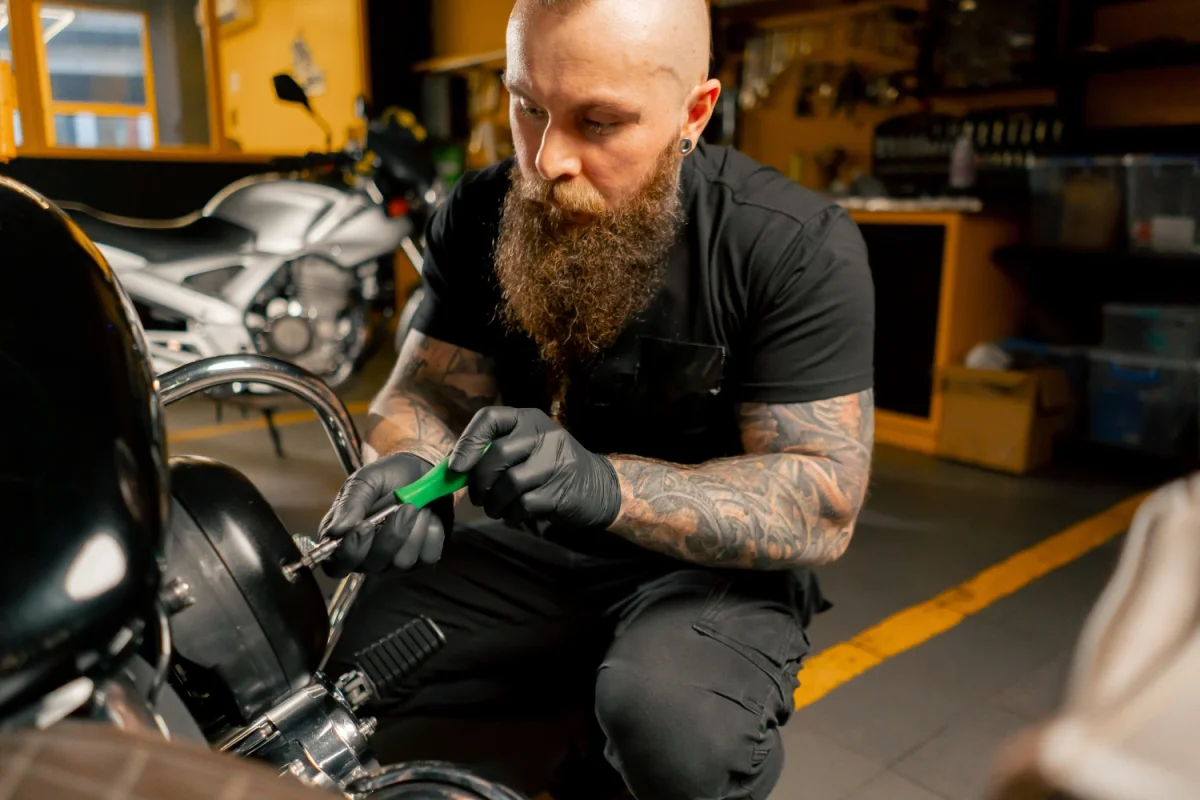
- Work with Qualified Mechanics: Utilize licensed professionals for any structural or mechanical changes. Certification ensures the job adheres to safety standards.
- Be Aware of Local Regulations: Familiarize yourself with local laws that might impact modifications, including noise ordinances.
- Explore Specialized Coverage: For bike enthusiasts undertaking substantial modifications, ask your broker about enhanced coverage options tailored to customized vehicles.
Consequences of Failing to Report Modifications
Keeping modifications hidden from your insurance provider can lead to serious repercussions. Here’s what you could face if you choose not to report changes:
- Claim Denial: If a claim arises and your motorcycle was modified without notification, the insurer may refuse to cover repairs or replacements.
- Policy Cancellation: Discovering unreported modifications can lead to the loss of your insurance altogether.
- Underpayment Issues: Claims could be accepted at a reduced rate, leading to insufficient compensation for your investments.
- Legal Consequences: Modifications not meeting provincial standards can result in fines or having your bike impounded.
Ultimately, the risk associated with hiding modifications is not worth the potential fallout.
Customizing your motorcycle is a rewarding part of ownership, allowing for personal expression and unique functionality. Yet, keeping your coverage intact is equally vital. By staying transparent with your broker and understanding the parameters of acceptable modifications, you’re more likely to enjoy your ride without unwanted insurance headaches.
Since 1998, Riders Plus Insurance has been helping Ontario riders navigate their insurance needs, especially when it comes to modified bikes. Our expertise equips you to find the right coverage that accommodates your unique modifications.
 Contact us today at 1-877-251-4504 or click here for Instant Online Quotes.
The details provided in this article serve as a general guide. For personalized advice, consider consulting with our specialists about your specific situation.
For more insights, visit the original post here.


