Preparing your motorcycle for winter storage is crucial for its longevity. Follow these practical steps to ensure it's ready for spring.
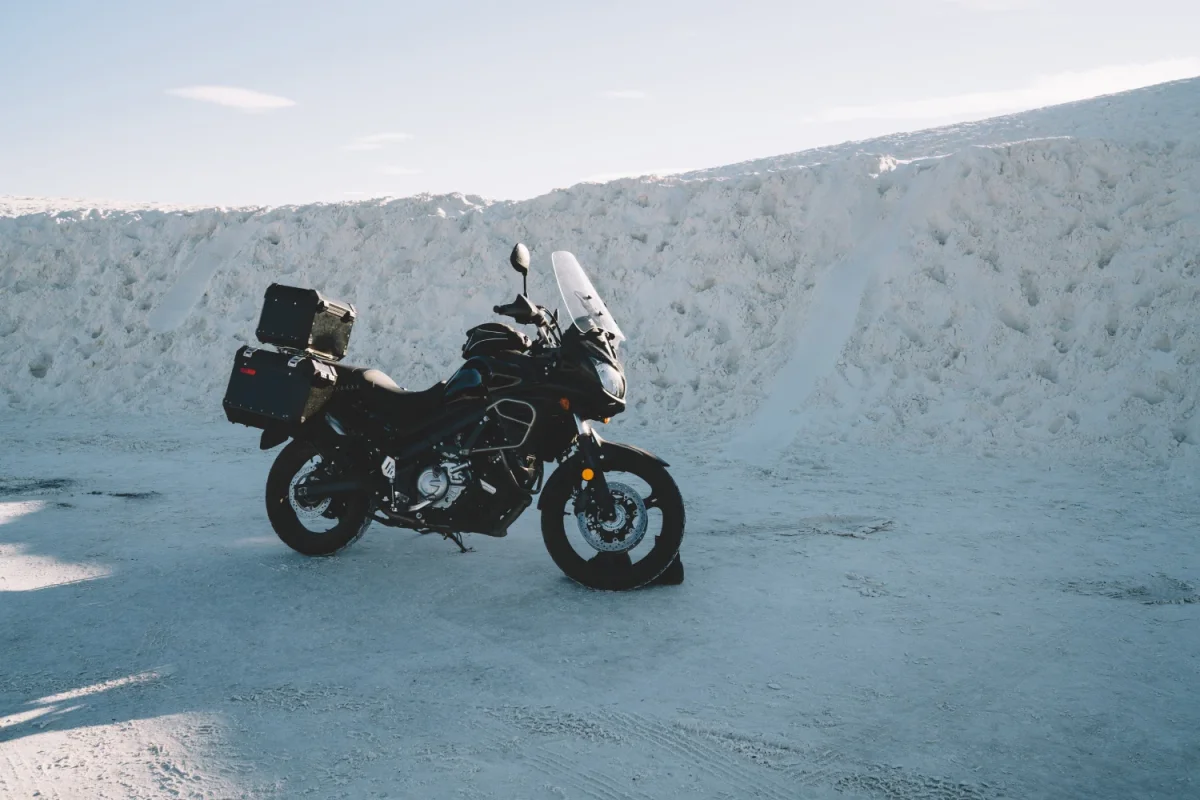
As the cold weather approaches, it's the perfect time to assess your motorcycle insurance coverage and get your bike ready for winter storage. Proper preparation goes beyond just parking it in the garage; it involves a series of steps to protect your investment and ensure a smooth start when riding season returns.
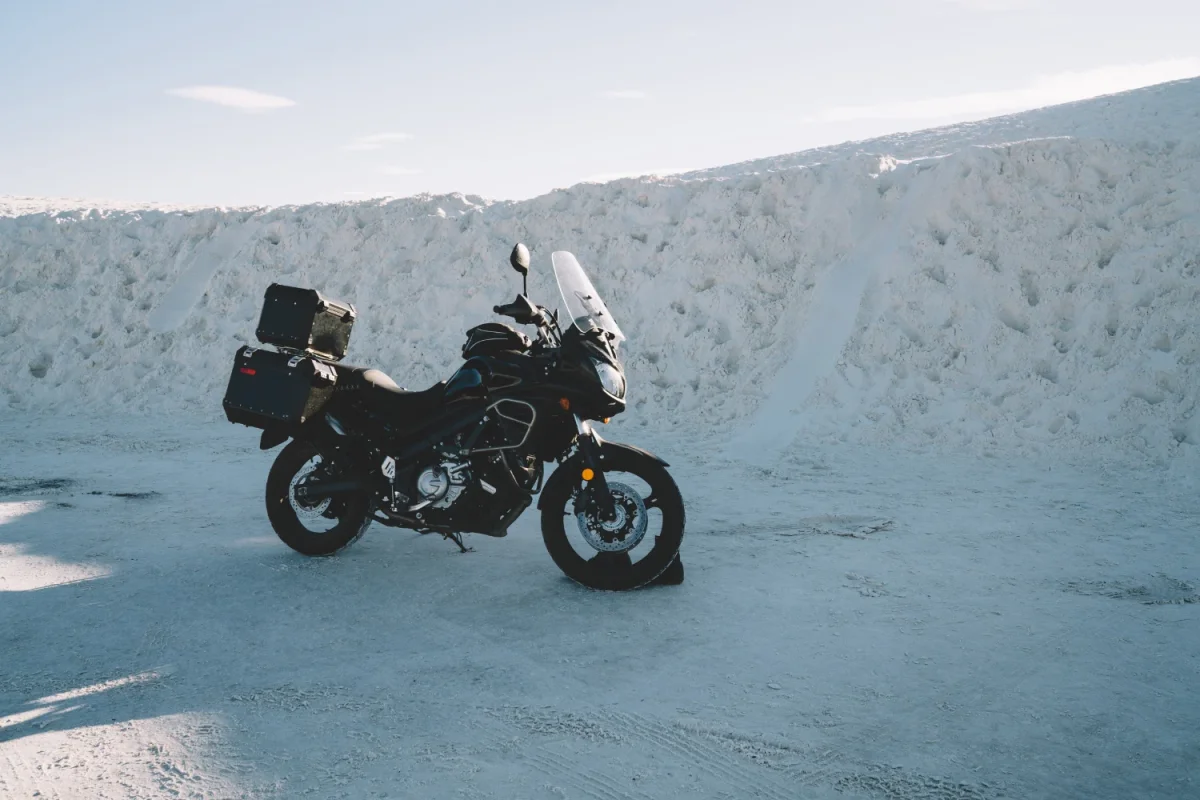
1. Clean Your Motorcycle Thoroughly
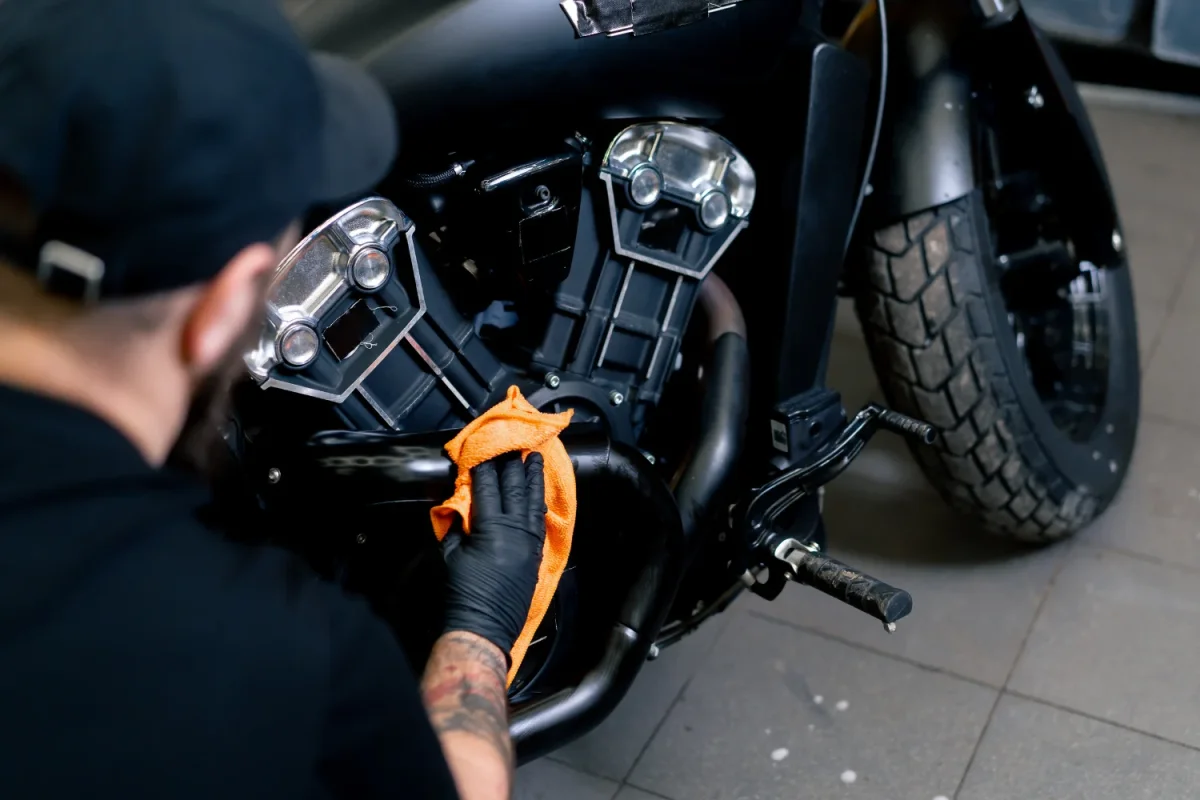
Before winter storage, a comprehensive cleaning is vital. Dust, dirt, and grime can harm the finish and metal components if left unchecked. Use a motorcycle-specific cleaner to wash the bike, paying close attention to:
- Areas prone to dirt accumulation such as the undercarriage and wheels.
- Drying the bike completely to prevent rust from moisture trapped in crevices.
- Applying a coat of wax on painted surfaces to shield them from dust and moisture damage.
Pro Tip: To safeguard chrome parts and exposed metals, consider using a rust inhibitor spray. This helps maintain their shine and prevents oxidation.
2. Change the Engine Oil and Filter
Engine oil can become contaminated over time, which is detrimental if your motorcycle sits unused for months. Changing the oil and filter before storage helps protect the engine's internal components by providing fresh, clean oil that prevents sludge formation.
Bonus Tip: After changing the oil, start the engine and let it run for a few minutes. This ensures the new oil circulates throughout the motorcycle's system, maximizing protection.
3. Fill the Gas Tank and Use a Fuel Stabilizer
A nearly empty gas tank can lead to rust from condensation buildup. Fill the tank to about 90-95% capacity and add a fuel stabilizer to keep it from deteriorating and clogging the fuel system. If you have a carbureted bike, make sure to drain the carburetor float bowls to prevent varnish from forming.
After adding the stabilizer, run the engine for a few minutes. This will help ensure the stabilizer is evenly distributed through the entire fuel system.
4. Battery Maintenance
Batteries can lose charge during the winter months without proper care. For optimal preservation:
- Remove the battery from the motorcycle and store it in a warm, dry location.
- Connect it to a smart battery tender or trickle charger to maintain the charge level.
- If you leave the battery installed, disconnect the negative cable to help minimize power drain. Remember to check the electrolyte levels, adding distilled water if necessary.
5. Maintain Tire Condition
To avoid flat spots, make sure your tires are well managed during storage:
- Inflate them to the recommended pressure to ensure even support.
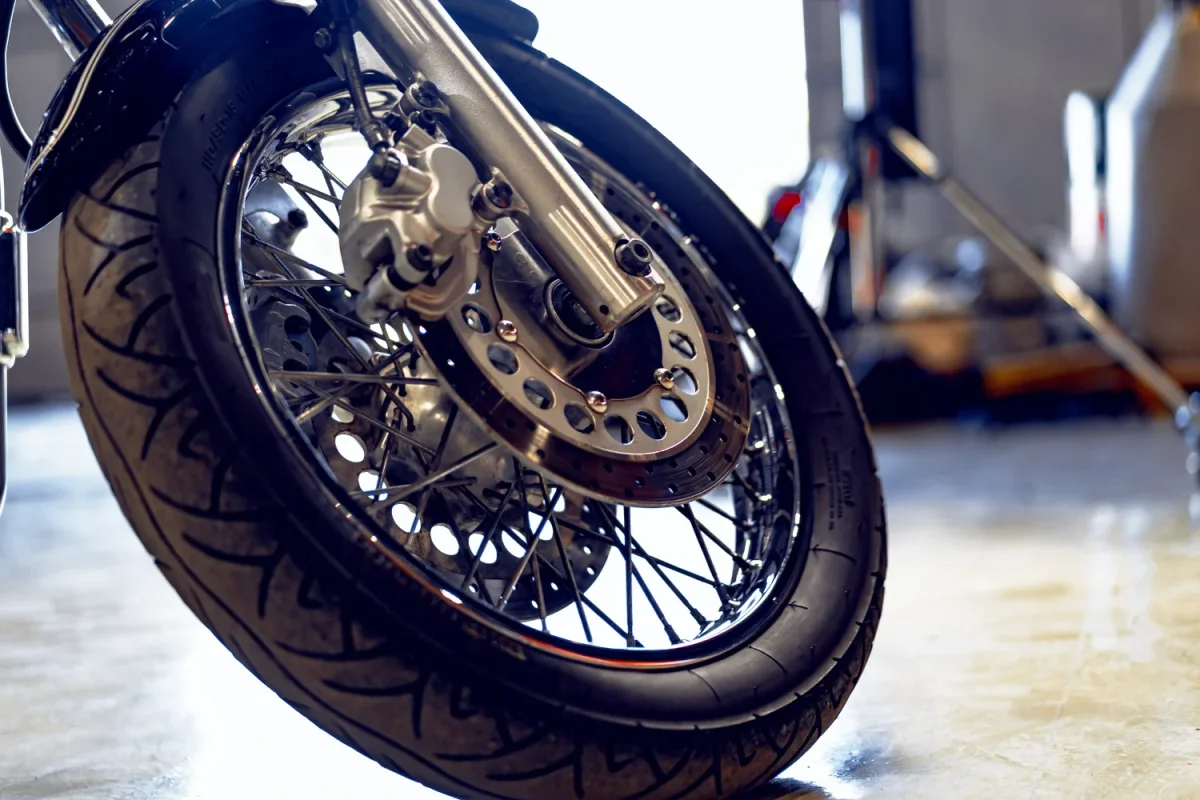
- Using paddock stands can lift the bike off the ground, relieving pressure on the tires.
- If stands aren’t available, periodically rotate the tires to distribute weight evenly.
6. Lubrication of Moving Parts
Lubricating moving components is essential for preventing rust and ensuring smooth functionality when the riding season kicks off:
- Chains: Clean thoroughly and apply a high-quality chain lubricant.
- Cables: Lubricate clutch, throttle, and brake cables to avoid stiffness.
- Other components: Use a light lubricant on hinges, levers, and pivots for added protection.
7. Secure Exhaust and Airbox Openings
Your bike’s exhaust and airbox can attract rodents and insects that may cause serious damage. It’s advisable to plug these openings with an oily rag or a specialized plug. Just remember to remove these before starting your motorcycle in the spring!
8. Optimal Storage Conditions
Where you store your motorcycle will significantly affect its condition come spring. Ideally, consider these best practices:
- Opt for a dry, climate-controlled space to mitigate humidity and temperature extremes.
- Use a breathable motorcycle cover for dust protection while allowing airflow to prevent mold growth.
- If storing outdoors, invest in a high-quality waterproof cover and park the bike on a flat, stable surface.
Bonus Tip: Avoid placing it directly on bare concrete, as this can trap moisture. Instead, consider placing a mat or plywood under the tires.
9. Security Measures
Even while at rest, your motorcycle remains vulnerable to theft. Implement these security strategies to safeguard your investment:
- Secure the wheels or frame with a sturdy lock.
- Install a security camera in your storage area.
- Ensure your garage door has modern security features, such as rolling code technology.
- Maintain your motorcycle insurance during the winter months to protect against theft or accidental damage.
10. Review Your Insurance Coverage
Before winter sets in, take the time to review your motorcycle insurance. Keeping your coverage active safeguards against unexpected issues like theft, fire, or damage during storage. Additionally, bundling your motorcycle insurance with home or auto coverage can lead to cost savings.
Investing the time and effort to properly prepare your motorcycle for winter storage pays off by ensuring it's in excellent condition come spring. By following these comprehensive steps, you can enjoy peace of mind, knowing your motorcycle will be ready for the road.
At Riders Plus Insurance, we prioritize not just offering insurance options, but supporting you throughout your motorcycle ownership journey. Should you have questions about winter storage or need to confirm your insurance coverage, feel free to reach out.
Get a quote or call us at 1-877-251-4504 to ensure your motorcycle remains protected year-round!


