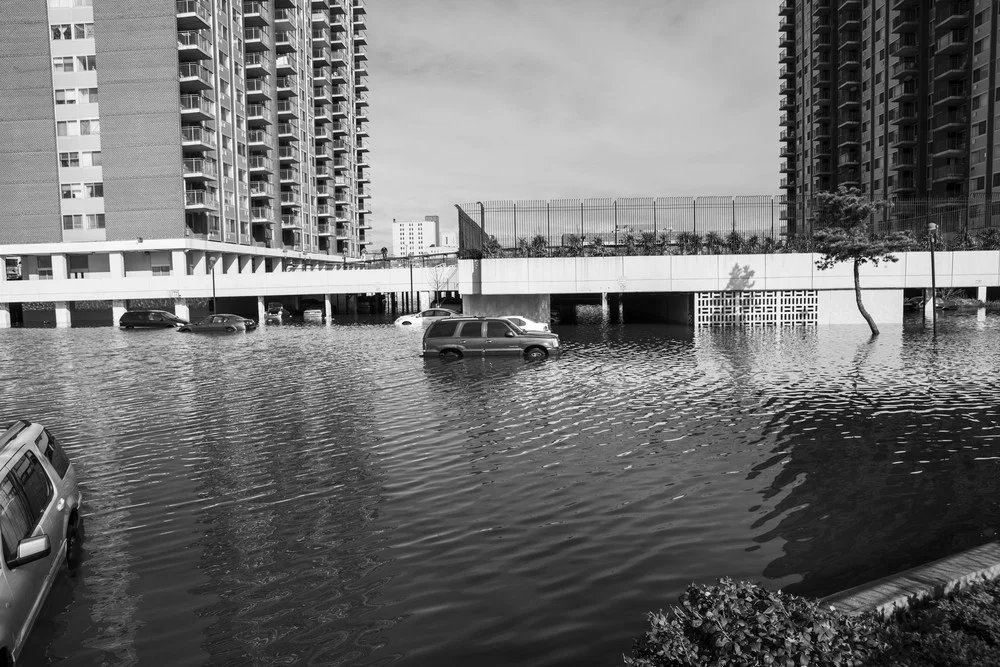
When a condo building is totaled and the HOA opts against rebuilding, unit owners face complex challenges in recouping their investments.
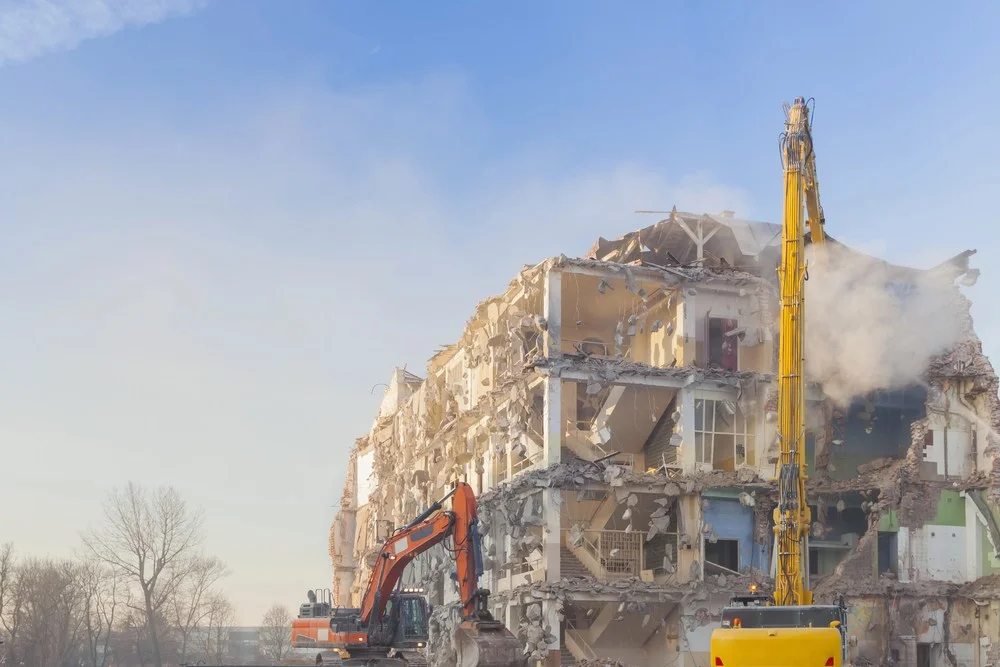
A situation where a condo building suffers total damage raises significant questions, particularly when the homeowners association (HOA) decides not to rebuild. Understanding the implications for unit owners is crucial. What avenues exist for recouping investments when the association opts out of reconstruction?
Insurance Coverage and Market Value
Unit owners often wonder how they can recapture their investments in such scenarios. It’s important to clarify that the market value of a unit has limited relevance when it comes to insurance claims. Insurance policies typically do not compensate based on what a unit would fetch on the open market. Instead, settlement amounts depend on predefined valuation methods such as Actual Cash Value (ACV), Replacement Cost Value (RCV), or Functional Replacement Cost (FRC).

Even if a unit's insurance policy, specifically the HO-6, may seem influential, it generally does not play a pivotal role when the HOA decides against rebuilding. Instead, the key lies within the HOA’s master policy, which outlines crucial details regarding how losses are settled. A close examination of this policy is essential to determine whether it uses ACV, RCV, or FRC, as replacement cost benefits are tied to the actual repair or replacement of the damaged property.

Condo Documents and State Law
Another critical factor is how the HOA’s declaration and bylaws allocate insurance proceeds among unit owners. There is no universal standard; it varies widely depending on the specific wording in the condominium documents and local laws. In many instances, state regulations may influence the management of ownership interests and proceeds following a total loss. As a result, unit owners should consult these documents and may also need legal advice to fully understand their rights and potential compensations.

Where Do Proceeds Go?
Typically, when a condo property is deemed a total loss, any resulting insurance proceeds are funneled into a trust. From this trust, individual owners might receive distributions proportional to their beneficial interests in the shared areas of the condo complex, assuming state law and HOA rules don’t impose restrictions. This mechanism emphasizes that unit owners should not solely rely on the claimed market value of their units, as the actual settlements are governed by the legal framework of the condo association.
It's also essential for unit owners to remember that they must depend on their own insurance for losses pertaining to personal property and interior improvements. For instance, items like built-in cabinets or personal belongings would fall back on their respective HO-6 policies, rather than being covered under the HOA’s insurance.

Your Own Insurance Policy
In addition to understanding the HOA's insurance policies, unit owners need to consider their coverage. The HO-6 policy typically covers personal property, liability, and loss of use for temporary living arrangements. However, it is crucial to ensure that the coverage adequately reflects the unit owner’s investment, as the compensation received could vary significantly compared to the price paid for the unit itself.

In the absence of repairs or replacements by the HOA, the amount an owner may recover from their insurance won’t equate to the original purchase price of their unit. In some cases, homeowners may only receive a fraction of their investment back.

The Importance of Documentation
For unit owners seeking to manage their recoveries effectively, meticulous documentation becomes paramount. Keeping detailed records of personal belongings, improvements to the unit, and communications with the association can significantly influence the recovery process. Furthermore, any assertion about approximate market values presented by unit owners should be approached with skepticism, as these figures have no bearing on the settlement under the HOA's insurance framework.

The Role of Legal Counsel
Lastly, unit owners should recognize that navigating the complexities around total losses in condo associations can encompass multiple legal and insurance nuances. It is wise to seek guidance from a legal professional experienced in condominium law to interpret complex condo documents and navigate applicable state regulations. This approach ensures that owners protect their interests and seek any available recovery from their HOA or through personal insurance claims.
In summary, while a condo unit’s market value might appear significant to its owner, the primary determinant of recovery lies within the condo association's insurance policy, state laws, and the specific condo documents. Each situation presents unique challenges and nuances; thus, obtaining expert advice can better equip unit owners to navigate these difficult waters.