Cruiser motorcycles have a rich history rooted in American culture, evolving from early models to modern adaptations that continue to captivate riders.
The Essence of Cruisers
Cruiser motorcycles are iconic in the motorcycle realm, often embodying freedom and a connection to the open road. Characterized by relaxed seating, low seat heights, and low-revving engines, cruisers offer a distinct riding experience, perfect for long-distance journeys. This category isn’t limited to a single style; cruisers often blend features from touring bikes and custom choppers, demonstrating their versatility in design and functionality.
The Historical Beginnings
The lineage of cruiser motorcycles traces back to the late 1880s with the advent of the motorcycle itself. Initially emerging in countries like Germany, France, Japan, and England, the cruiser concept really took hold in America. Indian Motorcycle, which started operations in 1901, introduced one of the earliest recognized cruisers: the Indian Chief, released in 1922. Two years later, Harley-Davidson entered the scene, and these two brands would dominate the American motorcycle landscape.
Military Contributions
World War I marked a pivotal moment in the motorcycle industry. The U.S. military used around 70,000 motorcycles during the war, predominantly from Harley-Davidson and Indian. While Indian supplied all its motorcycles to the military, Harley-Davidson maintained supply capabilities for civilian dealers, enhancing its market position. This military connection forged a deeper legacy and led to a rise in motorcycle popularity post-war.
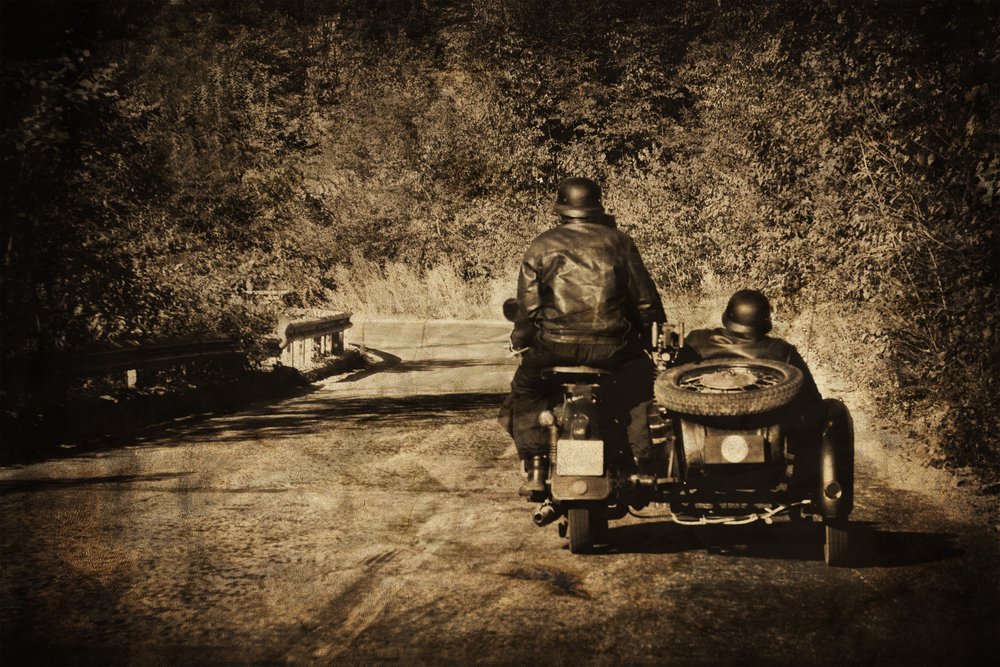
Example of iconic sidecar-style motorcycle usage in military operationsGrowth and Challenges in the Industry
Following World War I, the signing of the Treaty of Versailles forced manufacturers like BMW to pivot from aircraft engine production to motorcycle engines, leading to the birth of the iconic BMW R32 in 1923. By the 1920s, Harley-Davidson had solidified its status as the largest motorcycle manufacturer globally, boasting dealerships across 67 nations. However, the Great Depression posed severe challenges, causing sales to plummet and affecting all manufacturers, though Indian managed to continue some production during these years.
World War II and Design Evolution
The outbreak of World War II saw Harley-Davidson and Indian Motorcycle again stepping up for military demand. Harley's WLA and Indian's Scout 640 were both modified for military use, although the Scout was criticized for being heavy and less optimal for combat. By 1945, Indian was struggling financially, culminating in the cessation of production by 1953, while Harley-Davidson continued to thrive, introducing models like the Sportster that would become classics.
The Impact of Culture: Easy Rider
The cinematic portrayal of motorcycling took a significant turn with the film "Easy Rider." This movie not only highlighted the cruiser lifestyle but redefined it, inspiring a surge in customization and interest in motorcycles. Harley-Davidson aimed to revitalize its sales through new models, leading to a variety of chopper-styled motorcycles hitting the market. This cultural event sparked widespread engagement with the cruiser genre.
The Japanese Influx
The early 1970s saw the introduction of the “Universal Japanese Motorcycle” (UJC), which included high-performance models like the Honda CB750 and Kawasaki Z1.
As the market evolved throughout the 80s and 90s, manufacturers shifted their focus from UJCs to more niche categories like touring and sport bikes, ultimately re-engaging with cruiser designs. Iconic models such as Honda’s Shadow and Kawasaki’s Vulcan were launched, appealing to a new generation of riders.
The New Century
By the late 1990s, cruisers had firmly established themselves as a significant segment within the motorcycle market. Triumph embarked on an ambitious project creating the Rocket III, boasting one of the largest motorcycle engines at over 2,200 cc. Furthermore, 1998 saw the founding of Victory Motorcycles by Polaris Industries, created to challenge Harley-Davidson’s long-standing dominance with unique models like the V92C.
Despite some setbacks, including production halts and evolving market trends, Indian Motorcycle was revived in 2006, launching the new Indian Chief in 2009. In 2011, Polaris acquired Indian, consolidating its resources and ultimately discontinuing Victory in 2017, reaffirming its commitment to Indian’s legacy.
Modern Revival and Future Prospects
Harley-Davidson’s recent history has been a rollercoaster, with struggles resulting in significant shifts in strategy, including the introduction of electric models like the Livewire and the Pan America Adventure Touring motorcycle. The resurgence of cruiser motorcycles has continued, with brands innovating to rekindle the spirit that first captivated riders. Notable releases include Ducati’s Diavel, which blurred the lines between sportbikes and cruisers, and BMW’s much-anticipated R18, drawing inspiration from the brand’s roots.
Despite the evolution of motorcycle design and technology, the emotional connection riders experience when they set out on a cruiser remains unchanged. It’s a feeling of adventure and nostalgia that draws riders year after year to enjoy the open road and reflect on the rich history of cruisers and the manufacturers that shaped them.
So, as you gear up for your next ride, take a moment to appreciate the legacy of cruisers that paved the way for modern motorcycles and the unforgettable experiences they continue to offer.


