Improving your riding skills can significantly reduce the chances of collisions with wildlife. Key strategies include training, focus, and using the right gear.
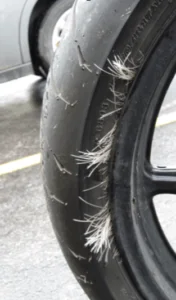
Reflecting on an experience from nine years ago, I find myself reminded of the importance of skill and awareness while riding. It was nighttime, and my dad and I were making our way toward a hotel after a day of riding. Despite the light rain, we pressed on, unaware of the danger that lay ahead. Suddenly, my dad swerved to avoid a deer that appeared out of nowhere. In that split second, I instinctively maneuvered my bike to give way, but I ended up cornering the deer, leading to a collision that felt like hitting a brick wall.
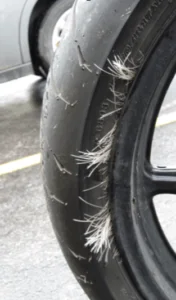
This incident wasn't just a moment of shock; it became a crucial learning point. The deer wrapped itself around my bike, and though I managed to stay upright with only a sore foot, I realized I could have avoided the collision entirely had I been more mindful of my riding position and space management on the road. This collision remains a vivid reminder of how close calls often come down to a rider's instincts and skills.
Lessons Learned from High-Risk Situations
Every time I mount a bike, I think about how I could improve my riding to avoid similar situations. Here are several tips to help prepare for and potentially minimize the impact of unexpected encounters with wildlife.
Consider Dirt Bike Training
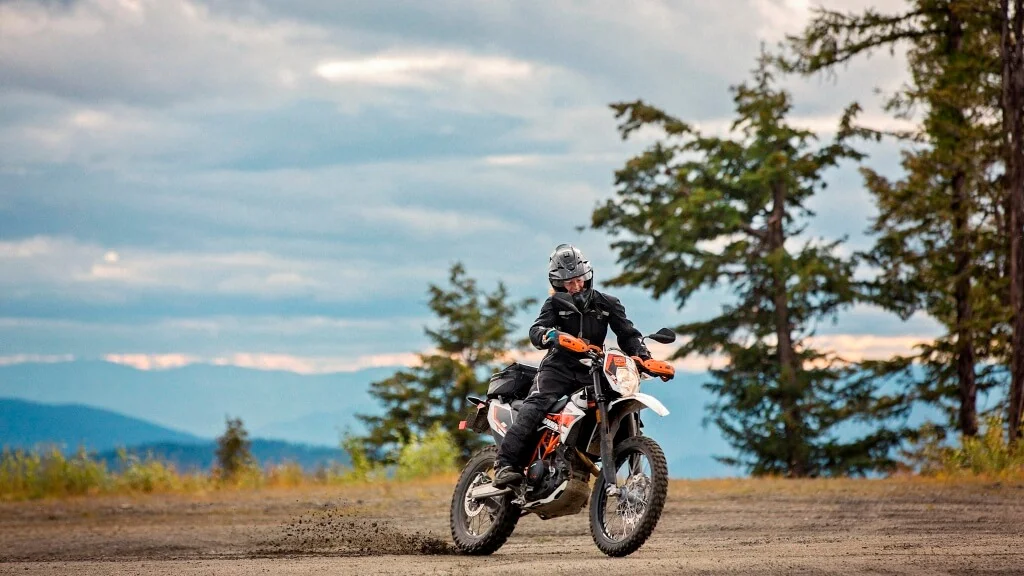
It may not seem like an immediate solution for all riders, but dirt bike lessons can offer invaluable benefits. Riders with a background in dirt biking are often better prepared to handle unexpected scenarios on the road. The experience gained from tackling various terrains enhances skills such as loss of traction management, emergency braking, and situational awareness. You'll develop resilience and confidence, making you a more capable road rider.
Master Emergency Braking Techniques
Understanding how to stop safely can be a game-changer. Most riders are unaware of just how quickly they can bring their motorcycle to a halt. An effective way to learn is through practical lessons, whether on dirt or street bikes. A crucial fact to remember is that about 70% of your bike's braking power comes from the front brake. Using it correctly not only effectively stops your bike but also maximizes your traction by allowing the front tire to grip the road firmly.
Stay Mentally Alert
Motorcycling offers a unique chance to find calm amidst chaos, but it also requires unwavering focus. Fatigue can sneak up on you, which is why it's essential to recognize when it's time to take a break. Regularly assess your mental and physical state to ensure you're in the best condition to ride.
Avoid Riding at Night
Riding at night introduces additional risks, such as impaired visibility and the sudden appearance of wildlife. If you must ride after dark, remain extra vigilant. Be prepared for unpredictable dangers, like other vehicles' headlights, which can hinder your ability to spot animals on the road.
Wear Appropriate Gear
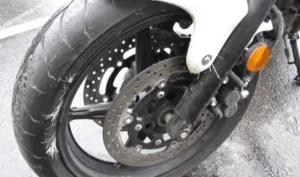
Protection should never be an afterthought. When accidents happen, having the right gear significantly reduces injury severity. Always be prepared for the unexpected, and invest in quality helmets, jackets, gloves, and other protective apparel to safeguard yourself when risks emerge.
Minimize Road Space When Riding with Others
If you're riding in a group and encounter wildlife, it’s usually best to stick together rather than veer off in different directions. This approach minimizes the chances of a collision and keeps both the riders and the animals safer. A coordinated response ensures that there’s less road space taken up, allowing for a better chance of avoiding an unfortunate event.
Ensure Proper Coverage and Insurance
Don’t overlook the importance of having the right insurance coverage for yourself and your motorcycle. Comprehensive health insurance, for instance, can alleviate fears in case of an accident. Moreover, consider tailor-made motorcycle insurance that aligns with your riding habits and needs. Consulting with an insurance professional can help you choose coverage that suits your unique circumstances.
Final Thoughts on Riding Safety
Despite the unpredictable nature of riding, especially in wildlife-prone areas, you can take steps to improve your skills and increase safety. Whether it's through learning new techniques, practicing mindfulness, or ensuring proper gear and insurance, every effort counts. Remember that preparation, practice, and awareness are your best allies on the road. Keep enhancing your riding abilities and stay alert for the unexpected.
The importance of healthy, mindful riding cannot be overstated. Prepare yourself not only to mitigate risks but also to enjoy the freedom and joy that comes with motorcycling. I hope these tips inspire you to prioritize skill enhancement and safety, leading to a more positive riding experience.


