Prepare for an enjoyable moto-camping adventure with key gear recommendations and practical tips that ensure a successful trip on your motorcycle.
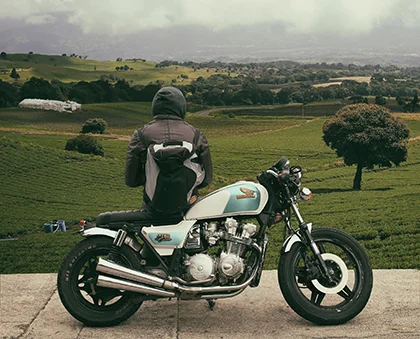
Moto-camping combines the thrill of riding with the adventure of camping, offering a unique way to truly connect with nature and your motorcycle. However, unlike traditional accommodations, camping on the road requires more careful planning and equipment selection. Proper preparation can transform your camping experience from frustrating to fantastic.
Key Equipment for Moto-Camping
Tent
When selecting a tent, prioritize lightweight designs that suit the size of your group. A two or three-person tent is a practical choice even for solo travelers, as it provides extra space for gear without significantly increasing weight. Look for a model with two doors and a well-fitted waterproof flysheet and ground sheet. Included vestibules are particularly useful for stowing riding gear, keeping wet items separate and dry for continued use.
Sleeping Bag
Your sleeping bag should be long enough for your height, functional for the temperatures you face, and allow for movement. Always check the comfort rating, then choose a bag rated about five degrees lower to account for personal heat differences. Keep in mind that women typically need different specifications due to physiological differences; bags designed for women are narrower at the shoulders and often include additional insulation around crucial areas for enhancing warmth.
Sleeping Pad
A high-quality sleeping pad is essential for ensuring a good night’s sleep. Choose from foam pads, air mattresses, or self-inflating varieties to provide protection from the ground. A good pad helps to shield you from cold, hard surfaces that can interfere with your rest after a long day of riding.
Travel Pillow
Instead of using rolled clothing as a makeshift headrest, invest in a lightweight travel pillow that packs away easily. A proper pillow will support your neck, improving comfort during the night.
Headlamp or Flashlight
Consider a headlamp, as it leaves your hands free for setting up camp or cooking at night. Aim for LED varieties for durability, and remember to pack extra batteries. Solar rechargeable lamps also provide a great alternative.
Lightweight Cookstove
If you're planning to cook your meals, a portable cookstove is a must-have. Opt for a lightweight stove that’s easy to pack and includes a small but efficient cook set. Fuels and dishes that can be nested to save space can significantly simplify meal preparation.
 External Battery Pack
If your motorcycle lacks a built-in phone charger, consider using an external battery pack. This device is invaluable for keeping electronic devices charged, especially when you don’t have access to power outlets.
Miscellaneous Items
Don’t forget multi-functional and emergency equipment, which can make or break your camping experience. A good-quality multi-tool, duct tape, zip ties, and essential bike tools should be in your kit. A basic first aid kit is crucial; include items like band-aids, medications, insect repellent, and spare plastic bags to handle any situation.
Luggage
Use durable, waterproof bags to transport all your essential gear. While specialized motorcycle luggage is great, outdoor equipment retailers offer a range of quality options that can withstand the rigors of travel. Ensuring your belongings are secured against the elements is vital for a hassle-free journey.
Tips for First-Time Moto-Campers
If you’re new to moto-camping, there are several practical steps you should consider: 1. Practice with Your Equipment: Set up your tent and test out your cookstove before you hit the road. Knowing how to assemble your gear in advance can prevent frustration during your trip. 2. Packed Bike Test: Before committing to a lengthy journey, pack your bike and assess the weight and balance. It’s key to ensure that your load remains secure and manageable while riding. 3. Short Trial Run: Engage in a brief trip under favorable conditions to familiarize yourself with your setup and identify any adjustments needed. 4. Arrive Early: In peak seasons, set up camp early to avoid late-day struggles. This approach allows you time to settle in and prevent potential challenges of setting up in the dark. 5. Transition Gradually to Remote Camping: Start at well-equipped campsites before heading out to more isolated locations to gain experience. 6. Secure Your Load: Make sure to use proper straps to secure your gear. Rok straps outperform bungee cords and cargo nets in safety and reliability.
By planning ahead and equipping yourself well, you can turn your moto-camping trip into a memorable adventure. Expect some bumps along the way, but remember these moments often lead to the best stories to share with friends. We’d love to hear about your adventures and any tips you may have—feel free to leave your insights in the comments!
The post Getting Started with Moto-Camping appeared first on Riders Plus Insurance.


