Dropping your motorcycle can shake your confidence, but experts suggest practical steps to regain control and improve your skills.
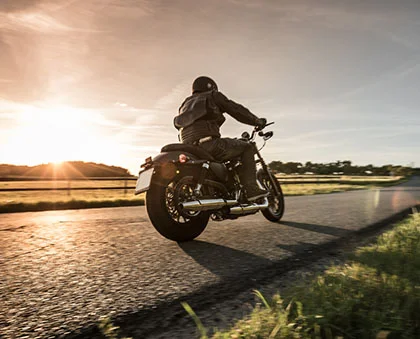
Most motorcyclists will, at some point, experience the unsettling moment of dropping their bike. It's an unnerving scenario that leaves many questioning their riding abilities. Beyond the physical damage to the motorcycle, the emotional impact—like a bruised ego and waning confidence—can linger far longer. While physical injuries are a concern, the worst damage often occurs internally, affecting a rider's willingness to ride again.
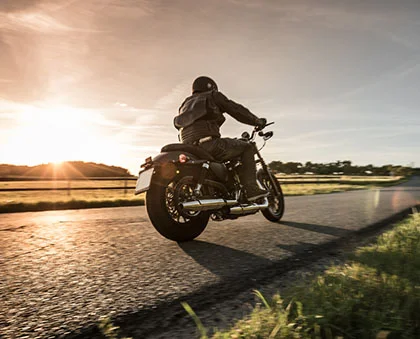
Understand the Challenges of Riding
Motorcycling isn't just about speed or maintaining balance; it also demands precise skills, especially at low speeds. Whether maneuvering into a parking space or navigating through congested traffic, the challenge is heightened when a bike starts to lean precariously. Recognizing how to handle these situations is critical for safety and overall enjoyment.
Steps to Rebuild Confidence After a Drop
Reacting appropriately after a bike drop can make a difference in how quickly a rider regains their confidence. Here’s a breakdown of essential steps:
1. Own Your Mistake
Recognizing that mistakes are part of the learning journey is vital. Taking ownership of the drop allows you to approach riding from a place of empowerment. Reflect on what happened to identify potential errors, underscoring the importance of keeping skills sharp and remaining vigilant on the road.
2. Assess the Situation
After the initial shock of dropping the bike, evaluate both your physical state and emotional readiness. Check for injuries and ensure you're in a safe spot to inspect your bike for damage. If you're shaken up, don’t hesitate to accept help moving your bike off the road.
3. Remember You’re Not Alone
Many riders, even those seasoned in their craft, have found themselves in the same predicament. Biking demands coordination and balance, and it can be easy to miscalculate, especially when your focus is divided.
4. Consider a Professional Skills Course
If drops become a recurring theme, it may be time to hone your skills with a recognized training course. Even experienced riders can benefit from a refresher. While friends may offer well-meaning help, they might not have the instructional expertise needed to help you advance.
5. Consult an Expert
Understanding the root cause of your drop is essential for future prevention. Common mistakes include improper clutch and throttle coordination, inappropriate braking techniques, and not maintaining proper focus. A qualified professional can provide insights on correcting these behaviors.
6. Reassess Your Motorcycle Choice
Your motorcycle should align with your skills and comfort level. If the bike feels excessively large or powerful, it might be worthwhile to consider alternatives that better match your ability to handle it safely.
7. Review Your Gear and Maintain Your Motorcycle
Ill-fitting gear can hinder performance and distract from riding. Ensure your gloves, boots, and other gear fit properly—supportive boots, in particular, provide stability at stops and prevent injuries. Equally important is the mechanical fitness of your motorcycle; regular checks and maintenance can prevent malfunctions that may lead to drops.
8. Master Slow-Speed Maneuvers
Practice makes perfect, especially when navigating at slow speeds. Find a safe location, perhaps an empty parking lot, where you can exercise skills with a friend. The more you practice, the stronger your muscle memory becomes.
9. Cultivate Patience and Persistence
Regaining confidence takes time. Be kind to yourself as you work through fear or anxiety associated with riding. Celebrate small victories as you reestablish your comfort zone.
10. Understand Weight Distribution
When carrying additional weight—such as luggage or gear—understand its impact on balance. Properly distributing weight and keeping it low can significantly improve handling during rides.
11. Reflect on Your Motivation for Riding
Evaluate why you ride: If you're only doing it to fit in or out of obligation, that could hinder your enjoyment of the sport. Trust your instincts about whether riding is truly for you, as the joy of motorcycling should come from a genuine passion.
Embrace the Journey
Returning to riding after a drop is not just about regaining skills; it's an opportunity for self-discovery and personal growth. Each challenge faced can teach valuable life lessons that extend beyond the road. Keep a positive attitude as you navigate motorcycling's ups and downs, and remember: a world filled with adventure awaits for those willing to ride on.
For more tips and resources for riders, check out the full article here.
The post originally appeared on Riders Plus Insurance.


