Selecting the right motorcycle helmet is vital for safety and comfort. This guide breaks down types, construction, and key factors to consider.
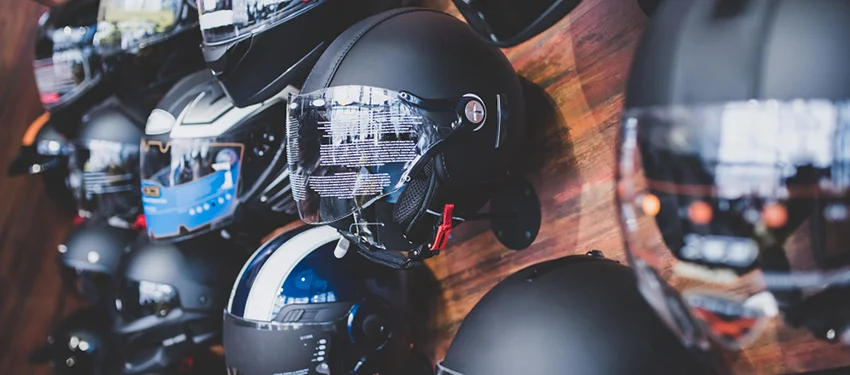
A motorcycle helmet is arguably the most crucial piece of safety equipment for any rider. With various styles, designs, and price points available, choosing the right helmet can be daunting. It's critical to make an informed choice because a good helmet significantly impacts your protection, comfort, and rider fatigue.
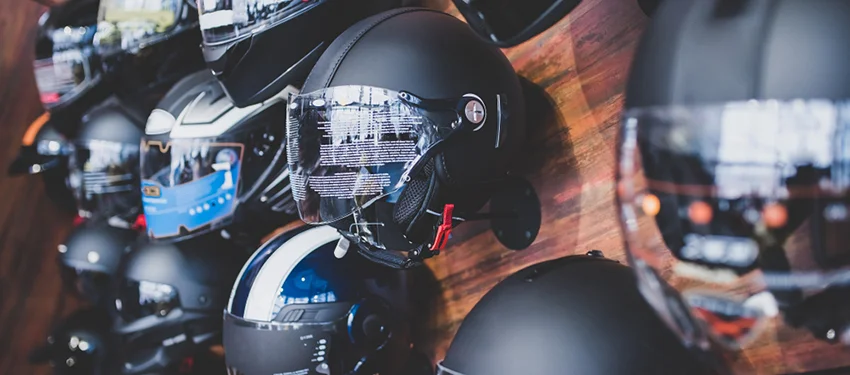
Understanding Helmet Styles
Motorcycle helmets typically come in four main styles:
- Full Face: Encompasses the entire head, providing maximum coverage, including the chin. Research indicates that a significant percentage of motorcycle impacts occur in the jaw and chin area, emphasizing the value of this style.
- Modular: Similar to full-face helmets, but with a chin bar that flips up, providing the convenience of easier communication and ventilation.
- Open Face (Three-Quarter Shell): Covers the top, back, and sides of the head but leaves the face exposed. These might come with visors for basic protection.
- Half Shell (Beanie): Provides minimal coverage, typically just from the forehead back to the crown of the head.
Different riding styles dictate helmet preferences. Sport bike enthusiasts often opt for aerodynamic full-face helmets, while sport touring and adventure riders favor modular helmets for their flexibility. Cruiser and scooter riders might prefer open face helmets for a feeling of openness. However, it's worth noting that less comprehensive helmet designs, like half and three-quarter shells, offer the least protection, exposing riders to risks from elements and fatigue that can affect focus and hearing over time.
Helmet Construction
The structural integrity of a helmet comprises four key components:
- Outer Shell: A hard layer, commonly made from polycarbonate or fiberglass, that protects against abrasions and penetrations. More advanced options utilize carbon fiber, known for its lightweight and robust energy distribution capabilities, though it tends to be more expensive.
- Interior Foam Lining: This layer, often made of expanded polystyrene (EPS), absorbs and disperses impact energy that would otherwise be transferred to the rider's head.
- Chin Strap: Prevents the helmet from shifting or coming off during a crash.
- Soft Fabric Liner: Enhances comfort and ensures a proper fit.
Safety Standards and Certification
In Ontario, the Highway Traffic Act mandates that helmets worn by motorcyclists must comply with DOT (Department of Transportation) or ECE (Economic Commission for Europe) safety standards. Certification agencies evaluate the helmet's ability to manage impact forces and ensure that chin straps remain secure and effective. Helmets meeting these standards display a DOT or ECE sticker on the outside back. Beware of novelty helmet sellers who apply bogus DOT stickers; those helmets do not meet safety criteria.
Choosing the Right Helmet
When selecting a helmet, consider these essential factors:
- Fit: A helmet should fit snugly, ensuring that sliding it doesn't shift your skin. Each manufacturer offers different shell and liner shapes, so try the helmet on and walk around for about fifteen minutes. For those who wear glasses, ensure they comfortably fit inside the helmet without creating pressure points.
- Vision: Opt for a helmet with a clear, distortion-free face shield. Features like anti-fog coatings or an internal sun visor enhance visibility and comfort, helping reduce distractions.
- Ventilation: Proper airflow within the helmet not only helps keep you cool but also prevents toxic exhaust gases from accumulating. Look for features like chin vents and top vents that align with holes in the EPS lining for enhanced airflow.
- Comfort: Sweat and hair products can degrade helmet liners over time. Considering buying helmets with removable liners that can be washed to maintain comfort and fit.
NEVER purchase used helmets. Even if they appear undamaged, you can’t assess their history or reliability, which is critical for safety. A helmet typically has a lifespan of about five years before it should be replaced. Economizing on a used or old helmet poses significant risks to your safety.
While aesthetics can influence your choice, prioritize safety over style. The purpose of a helmet is to protect vital organs; hence, choosing a well-constructed and properly fitting model can greatly mitigate injury severity in the event of an accident.
New DOT-approved open face helmets are available for under $100, while full-face helmets start around $125. As you move up in price, features like ventilation, sound reduction, weight, aerodynamics, and the quality of the comfort liner typically improve—enhancing comfort and minimizing fatigue, particularly during longer rides. Keep in mind that while graphics can add visual appeal, they are purely cosmetic and do not enhance safety.
The importance of choosing the right motorcycle helmet cannot be overstated. By focusing on fit, material, and necessary features, you’ll significantly boost your safety on the road.


