As the motorcycle season winds down in Ontario, these tips can help riders extend their time on the road comfortably and safely.
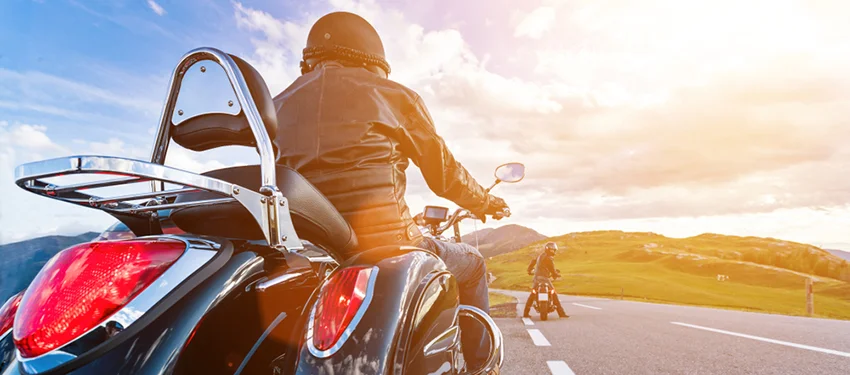
As the motorcycle riding season in Ontario begins to wind down, enthusiasts might feel the end is near. However, there are practical strategies to extend your riding season while ensuring comfort and safety.
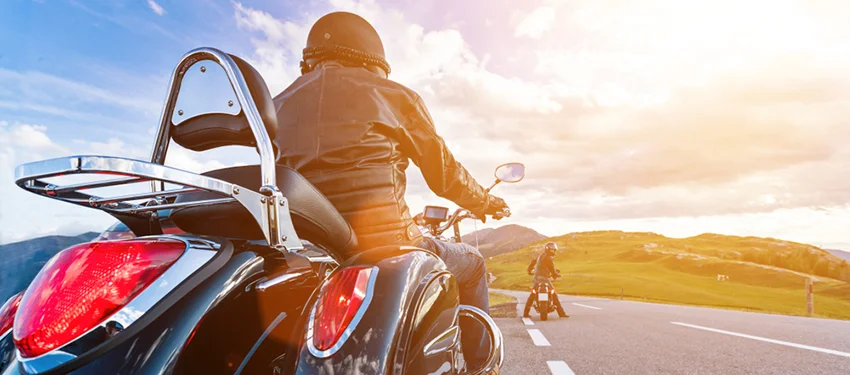
1. Dress for the Weather
Proper attire significantly impacts your ability to stay warm as temperatures drop. Here are some essential clothing tips:
- Start with Base Layers: Choose long-sleeved tees, leggings, and socks made from merino wool or synthetic fabrics instead of cotton. Thin materials allow for comfortable layering without unnecessary bulk.
- Opt for Abrasion-Resistant Gear: Look for gear with windproof and waterproof outer layers to protect against harsh weather.
- Consider Electric Gear: Heated vests are particularly effective in keeping your core warm, which is crucial for maintaining overall body warmth. Be mindful that these garments may require a higher amp fuse; consult installation instructions and always carry spare fuses.
- Use a Neck Warmer: Pair this with a full-face helmet that features a fog-free face shield to minimize discomfort and visibility issues.
- Ensure Proper Gloves: Select waterproof and insulated gloves with gauntlets to keep cold air out.
- Invest in Quality Footwear: Gore-Tex boots are ideal for keeping your feet warm and dry during rides.
2. Prepare Your Motorcycle
Enhancing your motorcycle's setup for cold weather can significantly improve your riding experience:
- Use a Larger Windscreen: A windscreen can deflect cold air away from you, contributing to a more comfortable ride.
- Install Hand Guards: These can redirect wind and rain away from your hands, offering additional protection.
3. Prioritize Tire Safety
Tire performance can be compromised in cold conditions, so be vigilant:
- Check Tread Depth: Adequate tread is essential for channeling water or snow off the tires.
- Monitor Tire Pressure: Cold weather can cause tire pressures to drop—generally by one to two pounds for every 10 degrees Fahrenheit decrease. Regular checks are crucial for safe handling.
4. Recognize Road Hazards
In colder months, awareness of potential hazards is heightened:
- Surface Conditions: Be on the lookout for cracks, uneven surfaces, and debris often present on the roads this time of year.
- Watch for Black Ice: This transparent danger commonly accumulates on bridges and shaded areas and requires careful navigation to avoid slipping.
- Expand Your Field of Vision: Looking further ahead can help you anticipate hazards and maintain a safe distance from other vehicles.
5. Stay Visible
Riding in low visibility conditions increases the importance of making yourself seen by other drivers:
- Wear High-Visibility Gear: Opting for clothing with reflective inserts can greatly enhance visibility, especially in fading light.
6. Use Your Motorcycle’s Temperature Gauge Wisely
Be aware that the ambient temperature reading from your bike may not accurately reflect the road surface temperature, which is often lower. If your gauge shows slightly above freezing, the road might be cold enough to pose risks.
7. Adjust Your Riding Schedule
With shorter daylight hours, it's essential to modify your travel times:
- Ride During Daylight: This enhances visibility and safety, allowing better assessments of road conditions.
- Reduce Speed: Slower speeds also help reduce wind chill, keeping you warmer during your rides.
8. Hydration Matters
Staying hydrated is critical even when bundled up:
- Curb Hypothermia Risk: Carry accessible water, such as in a Camelbak, to sip while riding. Dehydration can accelerate the onset of hypothermia, particularly in cold conditions.
9. Stay Informed About Weather Conditions
The weather can be unpredictable this time of year. If planning a long ride:
- Be Flexible: Allow time to adjust your plans and retreat early if conditions worsen. Avoid navigating unfamiliar routes that could lead to dangerous situations.
10. Know the Signs of Hypothermia
Recognizing early signals like shivering, clumsiness, or confusion is vital:
- Act Quickly: If you notice symptoms, it's best to stop and warm up before continuing. Sometimes, calling it a day is the wisest decision.
With some effort and increased awareness, late autumn rides can offer unique beauty and excitement. These tips not only help you enjoy this season but can also set you up for the next riding year.
For more insights on motorcycle riding and insurance, visit Riders Plus Insurance.


