Choosing the right motorcycle gear is crucial for safety, comfort, and performance. Here are essential tips to help you make informed decisions.
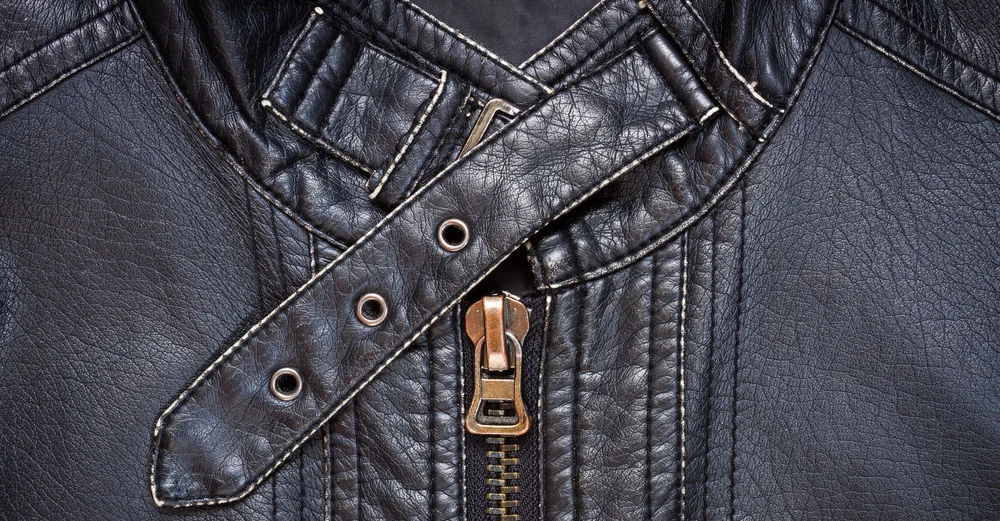
Investing in quality motorcycle gear may seem unnecessary, especially if you haven't experienced a fall. However, the right gear can significantly enhance your safety and riding experience. When selecting gear, consider three essential factors: fit, function, and, finally, fashion. If gear doesn't fit properly, it won't provide the protection intended for unforeseen events.
Understanding Fit
First and foremost, trying on gear is non-negotiable. It should feel snug without being constrictive, allowing for ventilation and mobility. Properly fitting gear is essential, particularly in a slide, as it is more likely to stay in place and provide adequate protection. Look for adjustable components like waists or zippers that allow you to accommodate various sizes or layers. To assess fit accurately, sit on a motorcycle in your riding position; ensure the gear doesn’t bind at the knees, hips, or shoulders.
Evaluating Length
While gear needs to look appealing, its primary purpose is protection. Pay close attention to how gear fits while you're in the riding position—sleeves should cover your wrists, and the jacket back should adequately overlap your pants. Ensure that pant legs are long enough to cover your ankles. This careful attention to length ensures coverage when you need it most.
Armor Protection
Opt for gear that includes quality impact protection, such as CE-rated D30 armor, known for its shock-absorbing capabilities. Essential areas to focus on include elbow, shoulder, and back protection in jackets, as well as armor coverage in knees and hips for pants. Proper placement is vital; armor should align with body joints when in a riding position. Additionally, look for boots that offer mid-shin protection combined with a steel shank and reinforced ankle support.
Construction Quality
Durability is key in motorcycle gear, and this starts with the construction. Seek out seams that are double or triple stitched to ensure they hold up during slides. Check for smooth finishes since seams should not be uncomfortable during use. When it comes to boots, ensure they have ankle protection, shifter pads, and oil-resistant soles. Remember, soles glued in place are generally less reliable than those stitched on.
Closure Features
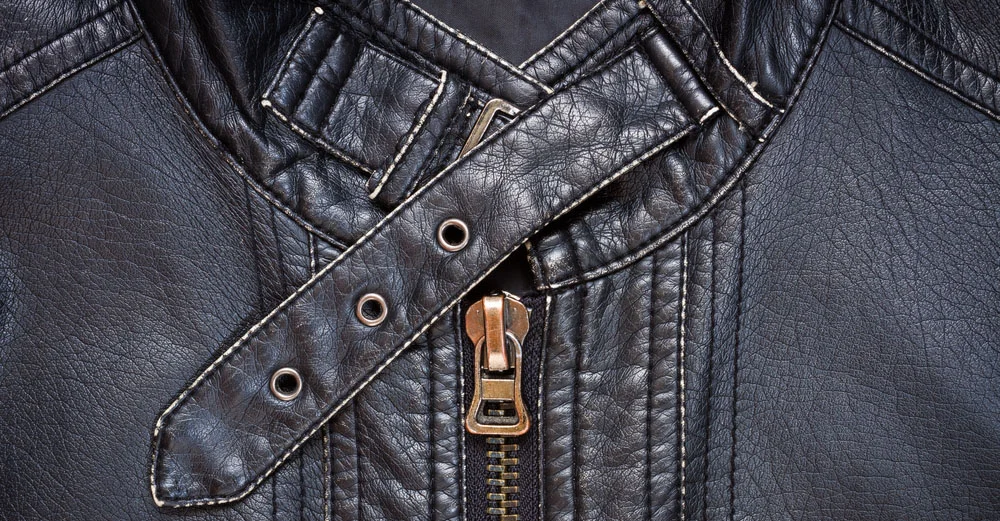
The types of fasteners used in gear vary widely—zippers, velcro, laces, and snaps are common. Ensure closures are adjustable for a snug fit, particularly at the wrists and neck. However, avoid Velcro at the neck, as it can catch on helmet straps. Laced boots can pose snagging risks unless they have additional protective coverings. Consider Velcro for other areas of the boot for easy on-off access.
Ventilation for Comfort
On hot days, ventilation becomes vital for comfort and safety. Look for gear featuring zippered openings at the chest and back to facilitate airflow. Underarm vents can also improve comfort levels. Opt for gear allowing easy zipper access with larger pulls that are manageable even while wearing gloves.
Visibility on the Road
Your visibility on the road can dramatically affect your safety. Consider gear with reflective surfaces, especially those on your upper body, as they enhance conspicuity. Larger reflective areas are preferable, but smaller details like piping and panels can also make a difference. A high-visibility vest worn over your jacket can further increase your visibility.
Water Resistance
Ideally, motorcycle gear should be waterproof, as vulnerable riders can face sudden rainfall. While waterproof gear can be pricier, it often pays off for frequent riders. Consider separate rain gear as an alternative if your primary gear lacks waterproof features. Removable waterproof linings are often less practical—they can trap moisture and become uncomfortable. Properly made waterproof gear should resist soaking through and retain its shape, ensuring a pleasant riding experience even in adverse weather.
Pockets for Convenience
Look for both interior and exterior pockets that are easy to access. If your gear is waterproof, checks on the pocket seals are necessary to maintain the overall moisture-resistance.
The Importance of Riding Skills
While gear plays a significant role in your safety, it cannot replace the value of sharp riding skills. Choose gear suiting your riding style, budget, and freqency of use. Take the time needed to try on various gear, consult with experts, and assess how each piece feels when you're in a riding position. Knowing your priorities and what features matter most can assist you in making an informed decision.
Ultimately, remember that you're investing in your safety. Quality motorcycle gear is an essential aspect of responsible riding—choose wisely. As motorcycle show season approaches, look for opportunities to acquire quality gear at favorable prices, but always prioritize functionality and protection over cost.
For those seeking additional information on gear and safety features, check local motorcycle dealerships or online resources. Making informed choices could mean the difference between a safe ride and a regrettable incident.


