Smart helmets with integrated technology promise to enhance safety and convenience for riders, but manufacturers face challenges in the market.
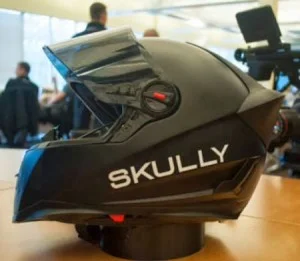
The emergence of smart helmets is poised to change the experience for motorcyclists and enthusiasts alike. These helmets are designed to integrate advanced features that go beyond traditional safety measures, improving not only the riding experience but also the overall safety on the road. The evolution of motorcycle gear has typically focused on basic safety. However, by incorporating technology, these helmets aim to provide a more connected and informed riding experience.
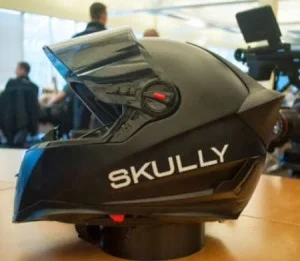
Following regulations like Ontario's 2010 ban on hand-held devices for drivers, innovators have turned to create products that approach technology from a different angle. While we’ve seen the rise of smartphones and smartwatches, smart helmets are the latest innovation on this front. They aim to merge safety with high-tech functionality, providing riders with an unprecedented level of information without needing to divert their attention from the road. This isn’t just about convenience; it’s a vital step towards reducing accidents caused by distracted riding.
What is a Smart Helmet?
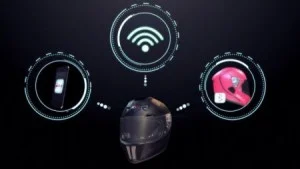
Smart helmets function as high-tech eye accessories that enhance a rider's experience by delivering crucial data directly in their field of vision. With heads-up display (HUD) technology, these helmets can relay vital information about speed, fuel levels, GPS navigation, and even video from a rearview camera. This integration of multiple functionalities can transform motorcycling from a basic form of transportation into a sophisticated, tech-enhanced activity. Several companies, like Skully and Intelligent Cranium, are spearheading the development of these innovative devices, with prototypes already in testing. Manufacturers face new challenges, such as ensuring these features don’t compromise safety or user-friendliness.
Key Features of Smart Helmets
Most models are expected to boast a suite of advanced features designed to improve usability and safety. Each function serves not just to impress but significantly enhance the ride:
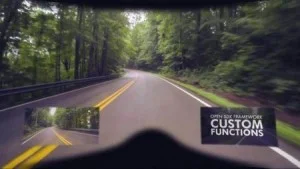
- Rear View Camera: A built-in rear view camera displays real-time video on the helmet’s screen. This feature dramatically decreases blind spots, providing riders with a comprehensive view of their surroundings and thereby potentially preventing accidents from side collisions, which are alarmingly common.
- Wireless & Audio Capabilities: Equipped with Bluetooth connectivity and integrated speakers, smart helmets allow for hands-free operation. Some models go a step further with voice command functionalities, enabling riders to interact with their devices while keeping their focus on the road. This level of interactivity can ensure riders can stay informed without the risks associated with manual device use.
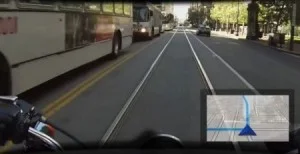
- GPS Integration: The GPS feature negates the need for physical GPS devices or mounts, as directions can be projected directly onto the helmet's display. That means riders can keep their hands on the handlebars and eyes ahead. This functionality not only enhances convenience but also significantly reduces the risk associated with fumbling with devices during rides.
- On-Screen Dashboard: Riders can view essential dashboard information, including speed, RPM, and warning lights, without needing to glance away from the road. This connected experience could redefine how motorcyclists perceive and engage with their environments.

Challenges Ahead
While the allure of high-tech helmets is undeniable, manufacturers must navigate several hurdles to succeed in this competitive market. These obstacles could potentially limit the widespread adoption of smart helmets. Key challenges include:
- Comfort and Weight: Riders look for helmets that are comfortable for long periods. Adding multiple gadgets could lead to increased weight, which may deter consumers from embracing these smart helmets. If a helmet feels cumbersome, it defeats the purpose of integrating technology.
- Safety Standards: Maintaining the structural integrity of a helmet is paramount. Smart helmets must meet the necessary safety certifications, like D.O.T. approval, to ensure they offer protection as effectively as traditional helmets. Any failure to comply with safety regulations could result in severe legal consequences and erode consumer trust.
- Pricing: Cost will be a significant factor as well. Setting a competitive price point is essential, especially since many consumers are skeptical about spending more for ostensibly enhanced features. This skepticism often emerges from the high stakes of motorcycle safety; people prioritize reliable and proven gear before experimenting with new technology.
The Future of Riding
The introduction of smart helmets presents exciting possibilities for the riding community. These innovations can significantly enhance safety and convenience for riders, potentially making them a standard part of riding gear in the near future. And yet, the market will likely remain divided between traditionalists who favor simplicity and those open to adopting new technology. This divide will shape how suppliers position these products over time.
If you're working in this space, you should consider how these smart helmets could transform the riding experience. Manufacturers will need to engage with riders to understand their needs and concerns. What features do riders prioritize? Comfort? Safety? Interaction? As companies like Skully and Intelligent Cranium work to overcome these initial challenges, riders’ feedback will become indispensable.
Are you planning to invest in one of these helmets? What features would entice you to make the switch from traditional models? Your thoughts could help shape the future of smart riding accessories. (And this is the part most people overlook.) Insight from potential customers can guide manufacturers responsibly, ensuring they meet consumer demands while maintaining safety and functionality.
For more insights on emerging technologies in the riding world, visit Riders Plus Insurance.


