Discover the key steps and best practices to winterize your motorcycle effectively, ensuring it's ready to hit the road come spring.
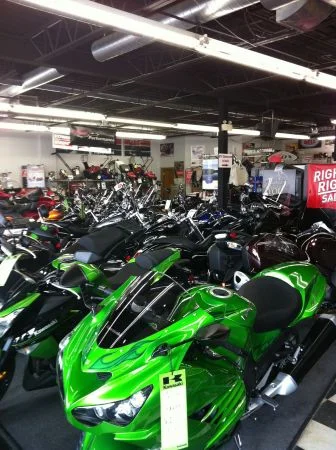
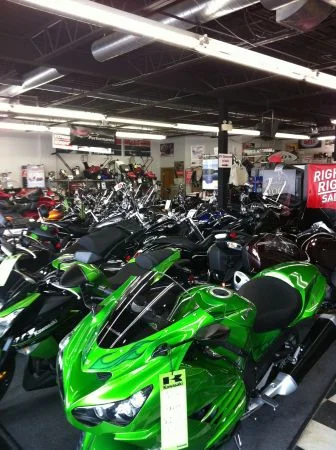 For many motorcycle owners, preparing their bike for winter might seem daunting. However, if you're not inclined to handle the tasks yourself, many local dealerships offer maintenance services or can guide you through the process. The choice is yours — whether you enjoy maintaining your motorcycle or simply prefer to ride without the extra work. With busy schedules, many bikers forego maintenance activities, but winterizing your motorcycle can prevent costly repairs and enhance longevity.
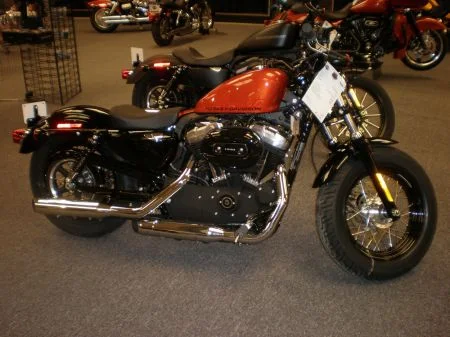
Understand the importance of this seasonal preparation. Moisture accumulation during the colder months poses the greatest threat to your motorcycle. It may lead to rust forming in exhaust pipes and cause corrosion in the gas tank. Taking proactive steps now can save you headaches later.
Gather Your Tools and Materials
Before you delve into the winter prep process, ensure you have all essential tools and materials. You'll need a spark plug wrench, cleaning cloths, fresh engine oil, a battery charger (consider investing in a reliable unit), WD-40, chain lubricant (if applicable), soap, water, and wax. Follow your manufacturer’s recommendations regarding cleaning and care products. Additionally, a high-quality motorcycle cover is crucial for protection, as are plugs for your exhaust pipes to deter rodents — some riders opt for plastic secured with rubber bands as an effective alternative.
Thorough Cleaning Process
Start by washing your bike meticulously, removing all dirt and grime, including bug splatters and road debris. Pay special attention to avoid getting water inside the exhaust pipes. Once cleaned, proceed to wax all painted and chrome surfaces to protect against the elements. For chain-driven motorcycles, ensure that you clean the chain thoroughly, eliminating built-up residue with WD-40 before applying fresh lubricant.
Addressing the Fuel System
Modern motorcycles typically feature fuel injection, which simplifies winterization compared to older carbureted models. For those who own carbureted bikes, familiarity with your motorcycle's owner’s manual is critical for maintenance and troubleshooting. This manual can guide you through the specifics based on your motorcycle’s model.
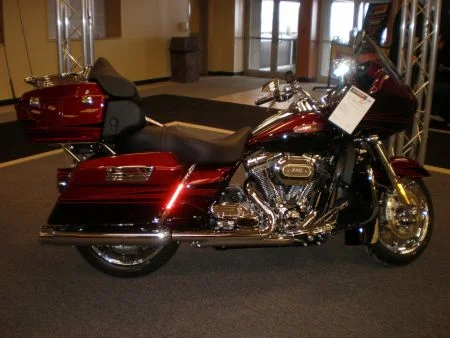
During winter preparation, change the oil to eliminate any accumulated condensation and contaminants. Keeping your engine oil fresh ensures better performance when riding resumes.
Battery Maintenance
Your motorcycle's battery also requires attention during winterization. It's advised to either remove the battery or keep it charged throughout the winter months. Store the battery in a clean, dry, and cool environment, away from heat sources or chemical exposure. Cleaning the battery terminals ensures optimal performance when spring arrives.
Fluid Levels and Lubrication
Different motorcycles may have unique maintenance needs, but it's vital to check and lubricate any moving components, like cables and drive shafts. If your motorcycle is liquid cooled, check the antifreeze levels and ensure they are at appropriate levels for the colder temperatures.
Professional Maintenance Check
Scheduling an autumn check with your local dealership is a preventive measure worth considering. Professionals can evaluate the wear on brakes, tires, and other critical components, offering better insights into necessary repairs or replacements. Dealing with these matters in the fall can save you time and potentially reduce costs, as dealerships often have promotions to clear out inventory before the slower winter months.
Gas Tank and Final Touches
Before completing your winter prep, fill your gas tank and add a fuel stabilizer. Running the bike for a few moments afterwards helps circulate the stabilizer throughout the fuel system. Don’t overlook your riding gear either; clean your helmet with suitable products and care for your leather items with protective cleaners to maintain their quality.
Documentation and Storage
From the moment you acquired your motorcycle, it's wise to maintain a folder containing essential documents such as safety certificates and maintenance receipts. Include dated notes to remind yourself of necessary tasks or upcoming sales for parts as the riding season draws near.
Even during the coldest days of winter, remember that your motorcycle is merely in hibernation. With proper care, it will be ready for the open road as soon as spring arrives.
The post Essential Steps to Winterize Your Motorcycle appeared first on Riders Plus Insurance.


