Motorcyclists must recognize their vulnerability and embrace greater responsibility while sharing the road, especially during the riding season.
Understanding responsibility on the road can be a sensitive topic for motorcyclists. When faced with the idea of taking responsibility, riders often react with frustration and skepticism. This reaction often stems from a unique process of becoming a member of the motorcycling community, where the rebellious essence of the lifestyle fuses with individual identity. However, it's essential for motorcyclists to confront the reality that their vulnerability on the road requires them to take on more responsibility than other drivers.
The Dynamics of Vulnerability on the Road
Riders must acknowledge that their exposure on two wheels makes them more susceptible to accidents compared to other vehicles. This increased vulnerability doesn’t merely suggest a heightened awareness of potential dangers; rather, it necessitates a proactive approach in ensuring personal safety and accountability. A clear example can best illustrate this balance between fault and responsibility.
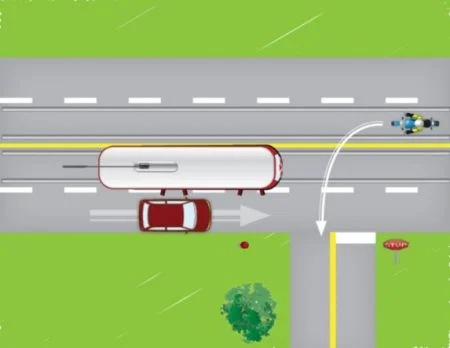
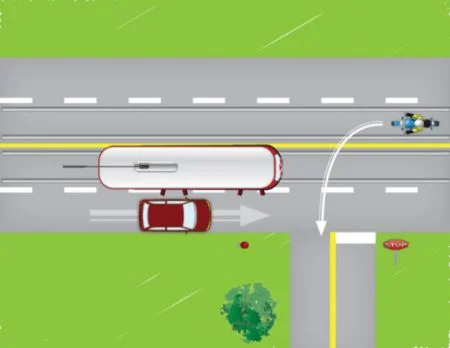
Imagine a motorcyclist who, after making eye contact with a streetcar operator, is waved through to make a turn. What the rider doesn’t notice is that a car recklessly speeds past the open doors of the streetcar, potentially leading to a severe accident. In this situation, while the negligent driver is certainly at fault for ignoring traffic laws, the conversation about responsibility becomes more nuanced. The motorcyclist assumed safety based on an incomplete assessment of the situation.
Fault vs. Responsibility
The incident raises pertinent questions—who bears responsibility in such scenarios? Fault can frequently be assigned to the driver who acted recklessly, yet the concept of responsibility is not solely about determining blame; it encompasses broader considerations of safety and awareness. Legal terminology around liability often fails to extend its comfort to those who experience the aftermath of a motorcycle accident. Once the dust settles—legal disputes resolved and insurance companies involved—riders are left to deal with the physical and emotional toll.
Adopting a Holistic Approach to Risk Management
To genuinely enhance safety and navigate risks effectively, motorcyclists should adopt a comprehensive perspective on riding. This holistic approach starts with critically assessing one's mindset and behaviors before hitting the road. Riders should consider whether they treat their commute on a motorcycle with the same vigilance typically applied when driving a car. Choices about attire also come into play; for instance, investing in high-visibility gear can significantly increase safety, especially when riding in urban environments.
Riding should not be viewed as a single act, but part of a continuous process that includes ongoing education, self-reflection, and communal sharing of experiences. Recognizing patterns that can lead to dangerous situations is imperative. Is one's riding style overly aggressive or cautious? Are there frequent close calls due to blind spots? Each decision taken before and during the ride contributes to the collective experience of all road users.
Bridging the Gap Between Drivers and Motorcyclists
It's essential to realize that most drivers do not perceive motorcyclists as enemies. The majority have a degree of awareness regarding the unique risks faced by those on two wheels. Nonetheless, the reality is that this understanding has limits—drivers may never fully grasp the consistent stress and danger motorcyclists encounter. Consequently, riders must moderate their expectations and also accept the reality that they are responsible for their safety on the road.
In practical terms, this means continuously honing riding skills and maintaining a mentality that prioritizes safety and awareness. Riders should regularly engage in discussions about safety, risk mitigation strategies, and practical riding techniques within their community. Such conversations can foster a better understanding of how to navigate both familiar and complex riding environments effectively.
Final Thoughts
All road users share the responsibility of ensuring safety. However, motorcyclists have a unique duty to acknowledge their vulnerability and take active steps to manage risks. By embracing a more comprehensive view of their riding experience—one that emphasizes personal accountability and fosters an open dialogue about safety—motorcyclists can contribute to a safer riding culture for all. Enhancing awareness, adopting safety gear, and engaging in continuous education are critical steps each rider can take to minimize risks on the road.
Riding offers unparalleled freedom, but with that freedom comes the need for heightened responsibility. As the riding season progresses, let's prioritize every choice we make on two wheels, ensuring that we ride responsibly and safely.


