Enrollment in Affordable Care Act plans has dropped significantly this year, amid rising premiums. While the Trump administration links this to fraud control efforts, experts warn that skyrocketing costs are the main reason.
The Affordable Care Act (ACA) has seen a notable decline in enrollment, with nearly 3 million fewer people signing up this year, dropping to approximately 19.2 million. The Trump administration attributes this decrease primarily to its efforts in combating fraud, a stance that many policy experts dispute, arguing that it overlooks the core issue of soaring premiums that have left many Americans uninsured.
According to a report from the Kaiser Family Foundation (KFF), ACA customers are now facing an average monthly premium of $178, marking a staggering 58% increase since 2025. Additionally, deductibles have risen significantly, reaching nearly $3,800 annually — a 37% hike. This means that for many individuals, health insurance is becoming increasingly unaffordable, forcing difficult choices about coverage.
Annalyse Keller, a spokesperson for Keep Americans Covered, a coalition advocating for healthcare accessibility, stated, “These are real people who are now forced to make impossible choices.” This highlights the human impact of the policy shifts as many struggle to afford basic health coverage.
A June report from the Department of Health and Human Services (HHS) claimed that approximately 5.6 million individuals were fraudulently enrolled in ACA plans, and that efforts by the Trump administration had removed 2.9 million of these. However, this reduction mirrors the overall enrollment decline, raising questions about the validity of the administration's assertions regarding the causes of decreased enrollment.
The Reality of ACA Enrollment Declines
While fraud does exist within the ACA framework, experts argue that the administration is exaggerating the issue. Critics note that the HHS report relies on questionable assumptions, such as labeling all sign-ups under a year-round enrollment initiative aimed at low-income individuals as potentially fraudulent. Many analysts point out that the primary driver of enrollment drop-offs is the significant increase in insurance costs, a situation the administration has largely neglected.
Matthew Fiedler, a senior fellow at the Brookings Institution, stated, “The top-level claim that all the decline in enrollment since 2025 is because of improper or fraudulent enrollees leaving the market is not remotely credible.” He emphasizes that rising premiums have always had a direct impact on enrollment numbers, a pattern that previous data supports.
Voter Concerns and Policy Responses
Healthcare costs are a top concern as midterm elections approach, and both political parties are aiming to shape the narrative around this issue to their advantage. Democrats contend that more needs to be done to reduce costs for consumers, while Republicans emphasize the importance of preventing fraud and protecting taxpayer dollars. A recent KFF poll revealed that a majority of voters trust Democrats to manage healthcare costs more than Republicans, and fraud has emerged as a significant concern for Republican voters.
Jonathan Oberlander, a health policy professor at the University of North Carolina, questioned whether the fraud narrative will resonate with voters who are grappling with rising healthcare expenses. “It will be cold comfort to the very real persons who could no longer afford coverage and dropped their plans,” he noted.
Historical Context: Changes Under the Biden Administration
Under President Biden, Congress enacted more generous tax subsidies for ACA enrollees starting in 2021, effectively lowering premium payments. This change resulted in coverage nearly doubling from just over 11 million in 2021 to over 22 million by 2025, according to the HHS report. Opponents, however, argue that the benefits of these subsidies have sometimes facilitated fraudulent enrollment. Critics claim that less stringent income verification rules allowed commission-seeking brokers to enroll individuals without their consent, leading to inaccuracies.
Brian Blase, President of the conservative Paragon Health Institute, described the findings of the HHS report as likely conservative, expressing skepticism about claims that premiums rising were the sole cause for enrollment declines.
Moving Ahead with Fraud Prevention
The debate over the causes of enrollment declines is likely to continue as further data is released from federal and state exchanges. Some analysts anticipate that ACA policyholders might drop by as much as 26% compared to last year. Regulatory efforts to combat fraud may be intensified, derived from the assertion of continuing potential improper enrollments outlined in the HHS report. Notably, some anti-fraud initiatives proposed by the administration have faced legal challenges, complicating enforcement.
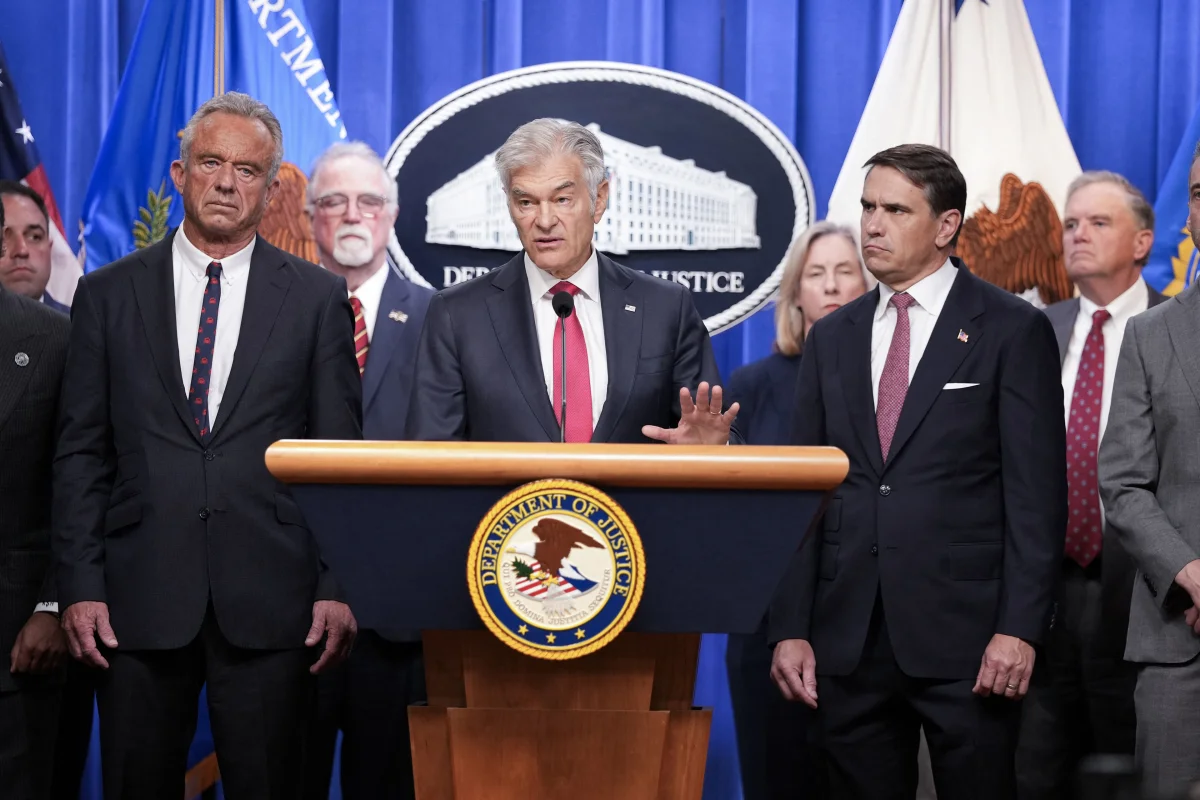
During a recent event, HHS Secretary Robert F. Kennedy Jr. praised CMS Administrator Mehmet Oz for the number of canceled ACA plans thus far, emphasizing the administration's commitment to identifying fraudulent activity. New measures will be implemented, such as blocking applications by brokers lacking a Social Security number and requiring more stringent identity verification during the enrollment process.
The stated goals include ensuring that insurance companies can adequately identify and contact enrollees flagged for potential fraud. For instance, users enrolled with missing Social Security numbers or those who initiated coverage through questionable brokers may face policy cancellations if insurers cannot confirm their enrollments within 60 days.
Challenges in Evaluating Fraud
Despite concerns over fraudulent enrollments, experts caution against blanket assumptions regarding missing documentation. Missing Social Security numbers could result from simple clerical errors or recent changes in circumstances, such as newborns being added to plans before receiving their official numbers. Fiedler commented that the diversity of situations underlying these cases necessitates careful evaluation rather than blanket judgments of fraud.
Some enrollees who move to zero-premium plans due to changes in their financial situation are also flagged as suspicious. However, a lack of medical claims among low-income consumers might simply reflect their minimal healthcare needs and high deductibles, not irregularities in enrollment.
Florida insurance agent Jason Fine highlighted the reality many individuals face when paying for insurance, noting that rising costs leave many unable to even pay minimal amounts. He argued that it would be inappropriate to immediately assume that all changes in enrollment or plan selections stem from fraud.
As this issue unfolds, there are calls for implementing stricter verification measures, such as multi-factor identification, to mitigate any potential fraud while ensuring access remains open to those who genuinely need coverage. Nevertheless, the ongoing discourse indicates that the dual issues of rising premiums and fraud remain intertwined in discussions about the future of the ACA and its enrollees.
For more in-depth coverage, visit KFF Health News, a national newsroom dedicated to health journalism.


