Event hosts using animals they don’t own, like petting zoos, need to consider specific insurance coverage and liability implications.
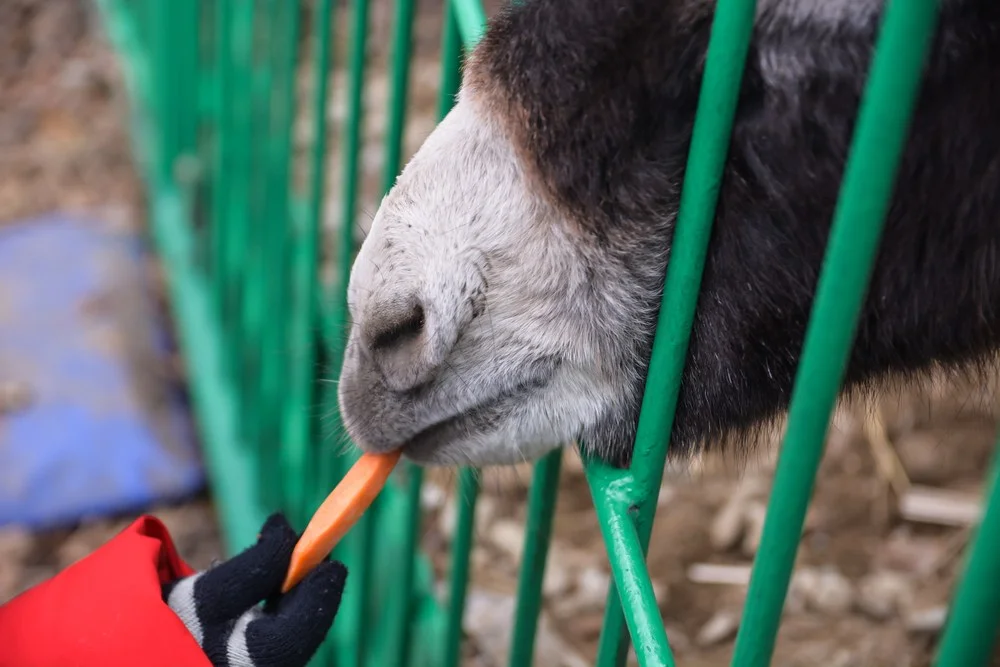
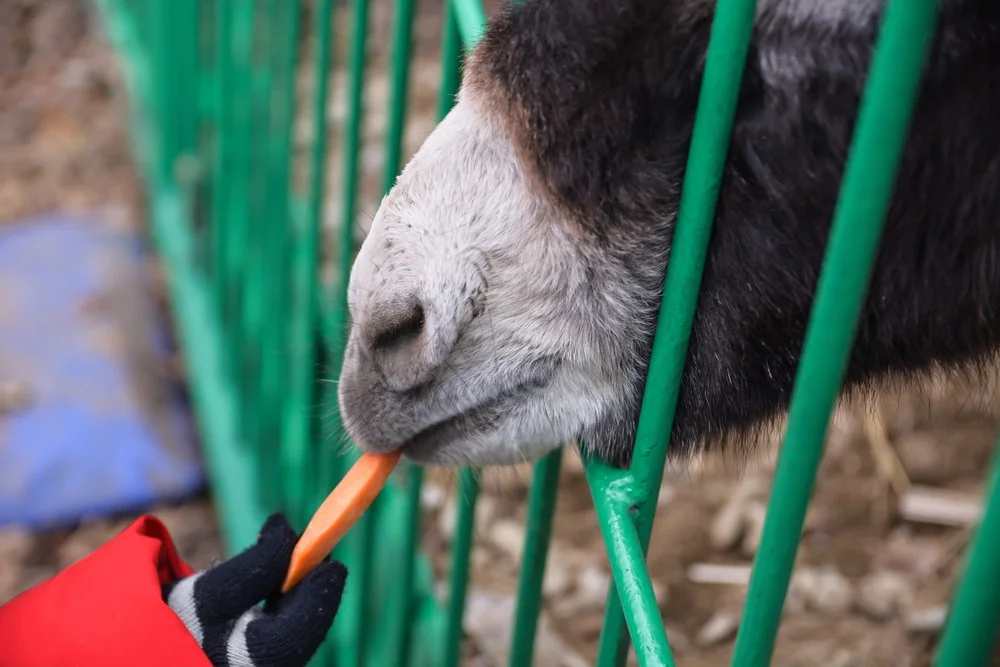
A local chamber of commerce plans to host an event featuring a petting zoo, utilizing animals owned by a private individual. While the chamber is ready to secure its own petting zoo insurance policy, questions arise about what coverages are necessary, particularly because the chamber doesn't own the animals being used. The situation calls for careful consideration of liability exposures and insurance requirements.
Key Insurance Considerations
When an organization like a chamber of commerce hosts an event involving animals, it must ensure that its insurance coverage is comprehensive. A fundamental component to check is whether the chamber's commercial general liability (CGL) policy extends to cover liabilities arising from bodily injuries or property damage related to animals on its premises. If there are no exclusions for such activities, the policy should cover most losses associated with the petting zoo.

However, to bolster protection, it's advised that the chamber request that the animal owner add the chamber as an additional insured on their liability policy. This arrangement significantly reduces the chance of the chamber's own policy being implicated in a claim, offering an extra layer of security in case of an incident.
Questions Needing Answers
While it seems straightforward, navigating the insurance landscape for events like this raises many important questions. For instance, what is the nature of the chamber's involvement? Is the event occurring on the chamber's property, or is it merely acting as a host? Are there written agreements solidifying the responsibilities of all parties involved? These factors can heavily influence liability allocations and insurance requirements.
Another critical aspect is the waiver that attendees are asked to sign. There’s skepticism among legal experts about the enforceability of waivers, particularly for minors, which raises concerns about their effectiveness in protecting the chamber from potential lawsuits.

Best Practices for Coverage
Both the chamber and the animal owner should ideally carry their own insurance to ensure that both parties are adequately protected. The chamber must communicate with its CGL underwriter to determine if coverage for the special event can be adjusted, or alternatively, whether a separate special events policy should be acquired. This proactive approach helps clarify the nature of risks involved and ensures appropriate coverage is in place.

Furthermore, the entity providing the animals for the petting zoo must be adequately insured as well. Their coverage should extend to business auto insurance for transporting animals and CGL to protect against liabilities that may arise from operational aspects of the petting zoo, including event management.

The Role of Contracts
To further solidify liability protection, the animal owner and the chamber should ideally draft a contract outlining responsibilities for the event. Such a contract should include terms that require the animal provider to defend, indemnify, and hold the chamber harmless for activities related to the petting zoo. This contract should also stipulate insurance requirements, ensuring that the chamber is designated as an additional insured, thereby prioritizing the animal owner’s insurance in case of a claim. This structure can help clarify financial responsibilities should any issues arise during the event.

Conclusion
Hosting an event that incorporates animals, such as a petting zoo, entails navigating a web of potential liabilities and insurance requirements. For organizations like the chamber of commerce, assessing current insurance policies, communicating with underwriters, and crafting clear agreements with animal owners are essential actions. These steps not only protect the event hosts but also ensure a safer experience for participants. Event planners should take these precautions seriously to mitigate risks effectively.

As the event draws nearer, stakeholders should remain vigilant, prepared to address any last-minute changes or additional information that may influence their coverage. Keeping the lines of communication open with all parties involved is vital for a successful and safe event.

Whether for this specific case or future events, understanding the intricacies of petting zoo insurance can help ensure that everyone involved is adequately protected and prepared.