Landlord premiums depend on property details, location, occupancy and coverage choices. Here’s what to review when comparing quotes.
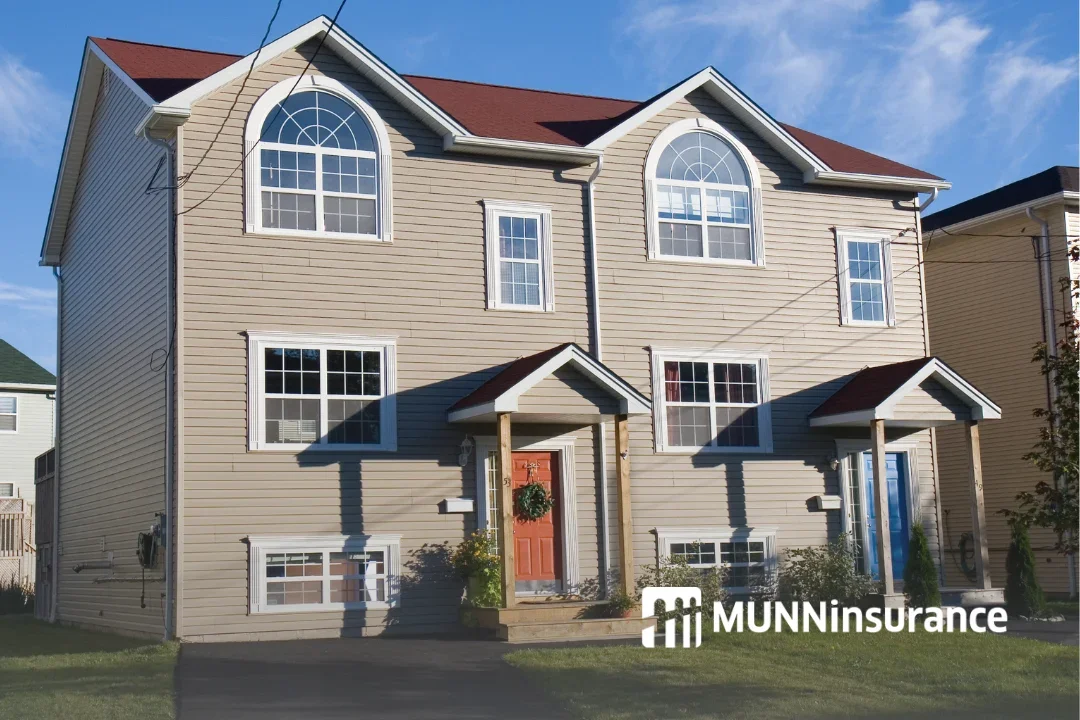
There’s no standard price for landlord insurance in Newfoundland and Labrador or Nova Scotia. The premium depends on the property’s location and condition, how it’s rented, the protection selected and other details an insurer uses to assess the risk. A newer home in St. John’s and an older duplex in Halifax can have different costs, even if their market values are similar.
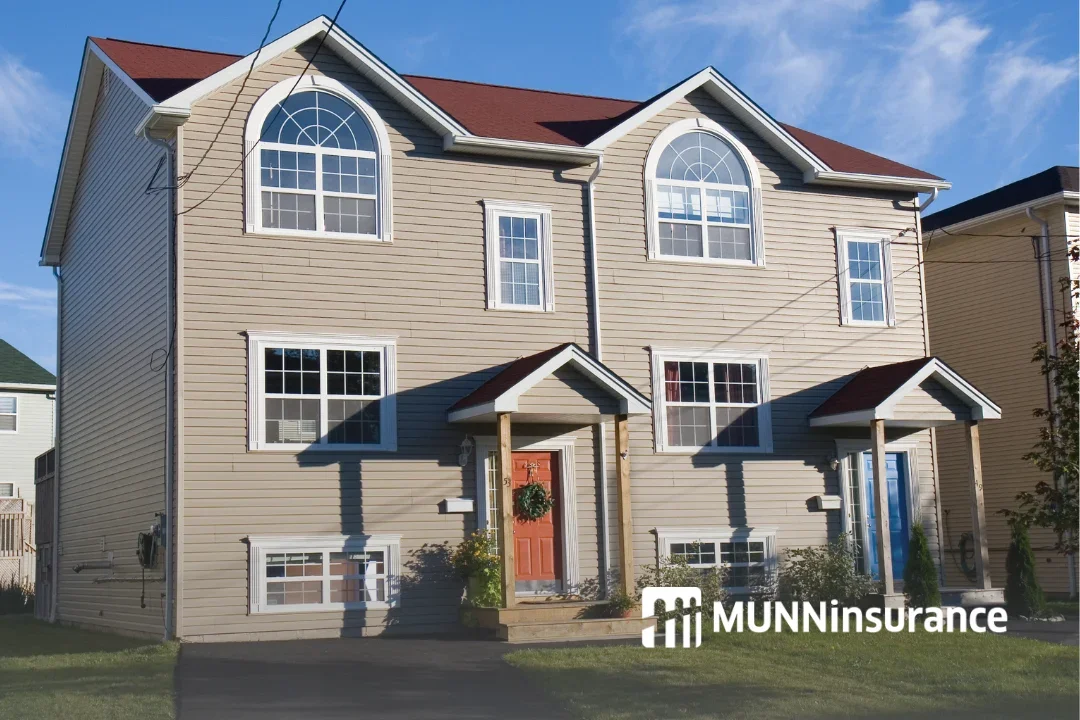
For landlords, the useful question isn’t just what a policy costs. It’s what that price covers, which limits and deductibles apply, and whether the insurer has an accurate picture of the property. A quote based on the rental’s actual details is the best way to find its price.
What goes into a landlord insurance premium?
Insurers may consider the property’s rebuilding cost, construction, size, age and condition; the number of units; the heating, plumbing and electrical systems; occupancy; prior claims; local risks and fire protection; the coverage selected; and the deductible. Whether a property is occupied or vacant can also matter.
These factors work together. Two homes that look alike from the street may have different systems, claims histories, locations or rental arrangements. Those differences can change both the terms available and the premium.
Location and rebuilding cost
Location can affect the insurer’s view of a property. Relevant details may include local claims experience, severe weather exposure, water and flood-related risk, fire protection, distance from a hydrant or fire station, theft experience, and whether the property is urban, rural or remote. In Newfoundland and Labrador and Nova Scotia, rental properties range from urban centres to more isolated communities, so location-specific details can make a difference.
Insurers also look at what it might cost to rebuild the building, rather than simply what the owner paid or what the property could sell for. Rebuilding estimates may reflect the building’s size and construction, its features, labour and material costs, demolition and debris removal, current construction costs, and the site’s accessibility.
A higher rebuilding estimate generally means a higher amount of building insurance is needed, which can affect the premium. The market value alone won’t tell you how much rebuilding coverage is appropriate.
Building type, unit count and condition
A detached rental home, condo, duplex, triplex, basement apartment and multi-unit building can each have different coverage needs. A property may also be owner-occupied with a rental unit, or part of a portfolio with several rentals. The building’s size and complexity can affect property coverage, liability exposure and the amount of rental income at risk.
The unit count is part of the insurer’s assessment. More units can mean more tenants, kitchens and bathrooms, a greater possibility of water damage, more rental income to protect, added liability exposure and higher rebuilding costs. Accurate information about the number of units and their use helps the insurer assess the property.
Age matters, but it doesn’t tell the whole story. An older building may be well maintained and have updated systems; a similar-aged property with original plumbing, wiring and heating may present a different risk. Insurers may ask about the roof’s age and condition, electrical and plumbing systems, heating, any oil tank, renovations and the building’s general upkeep.
Tell your broker about upgrades and renovations. A quote based on outdated information may not reflect the property that needs coverage.
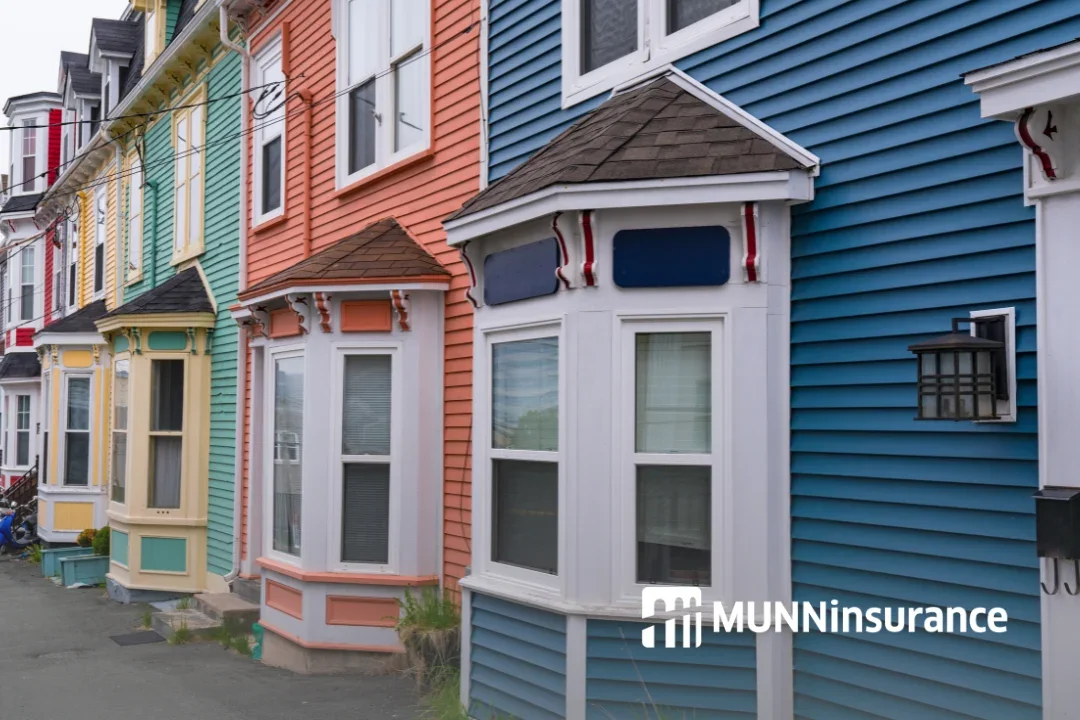
Heating, tenants and vacancy
Insurers may ask whether the property uses electric heat, heat pumps, oil, propane, wood-burning appliances or another system. Some arrangements call for more information. Oil heat may prompt questions about the tank, for example, while a wood stove may have installation or inspection requirements. These features don’t automatically prevent insurance, but the insurer needs details to assess them.
The rental arrangement matters as well. Long-term residential rentals, short-term stays, student rentals, owner-occupied properties with tenants, multi-unit buildings and temporarily vacant properties can involve different exposures. Don’t assume a policy set up for a long-term rental applies unchanged if the way you rent the property changes. Tell your broker when the arrangement changes.
Vacancy can affect the availability, price or conditions of coverage. Without tenants or an owner on site, a leak, heating failure, break-in, fire or maintenance issue may go unnoticed for longer. If a tenant moves out and the property will be empty, contact your broker. The insurer may adjust coverage or terms depending on its requirements and how long the property will be vacant.
Claims and coverage choices
Previous claims may affect pricing and coverage terms. Insurers can consider how many losses occurred, their type and how frequently they happened. Repeated water damage, for instance, may be assessed differently from a property with no claims. A past claim doesn’t automatically make a property difficult to insure, but it is one part of the overall picture.
The coverage selected also affects the premium. Choices can include the building limit, liability limit, protection for lost rental income, water damage options, sewer backup and overland water coverage where available, landlord-owned belongings, garages and other structures, and additional policy endorsements. A lower-priced quote may offer different coverage, limits or conditions from another option. Compare what each price includes.
A deductible is the amount the property owner pays toward a covered claim. In some cases, selecting a higher deductible can lower the premium, while leaving the owner responsible for more of the cost if a claim occurs. The appropriate choice depends on the owner’s circumstances and ability to take on that expense. Ask for the premium at different deductible levels before deciding.
Why similar properties can have different prices
Consider two three-bedroom rental homes with similar market values. One has a newer roof, updated plumbing and electrical systems, electric heat, good fire protection and no prior claims. The other has an older roof, original plumbing, oil heat, a remote location and a history of water losses. Their appearances and sale values may be alike, but an insurer may assess them differently.
That’s why online averages have limits: they can’t account for the exact building, its systems, its location or its history. A property-specific quote is more useful for understanding the cost and terms that may apply.
Landlord insurance and home insurance
Rental properties present different risks from homes occupied by their owners. Tenants live in the building, the landlord has less day-to-day control over its use, liability exposures may differ, and rental income could be interrupted after a covered loss. The coverage itself may also differ.
Rather than comparing a landlord policy directly with a standard home policy, compare options designed for the rental arrangement and check what each one covers. The details matter, particularly if the property has multiple units, is partly owner-occupied or is used for short-term rentals.
Managing costs and protecting the rental
Keeping the building in good condition can help reduce avoidable losses. Stay on top of the roof, plumbing, heating, electrical systems and other building components. If you update older systems, tell your broker; the changes may affect how the insurer assesses the property.
Ask how deductible choices affect the premium, and review whether the coverage reflects the building, its structures and how it’s used. If you own several rentals, discuss the portfolio as a whole. Available options may change as the portfolio grows.
It’s also useful to consider the financial effect of a serious loss. A major fire or another insured event can lead to substantial repair or rebuilding costs. If tenants can’t live in the property while repairs are underway, rent may stop while mortgage payments, property taxes, utilities and other expenses continue. Coverage for loss of rental income may help with that exposure when the interruption results from an insured loss and the policy terms apply.
A tenant, visitor or another person could also be injured at the property. If the owner is held responsible, the costs may extend beyond repairs. Liability coverage is intended to address covered claims of this kind, subject to the policy’s terms and limits.
Damage can grow when nobody notices it promptly. A burst pipe, water leak or heating failure in a vacant building may cause extensive damage before it’s found. Insurance doesn’t prevent these events, but suitable coverage may help with the financial consequences of an insured loss.
Having insurance isn’t enough if the insurer has the wrong information about the risk. Tell your broker if a former home becomes a rental, you add units, switch to short-term rentals or make another significant change. The coverage should reflect how the property is actually used.
Questions to ask when comparing quotes
Compare the protection behind each premium. Ask what is covered and excluded, what deductibles apply, how much liability coverage is included, and whether the policy covers lost rental income. Check what water damage options are included, whether landlord-owned appliances or furnishings are insured, and whether garages and other structures are covered.
Ask about conditions you need to follow and what happens if the property becomes vacant. A quote should make the price and the scope of protection clear enough for you to compare options on equal terms.
Information to prepare for a quote
The more accurate the property information, the better the insurer can assess it. Be ready to share the address, number of rental units, building age and size, construction type, heating system, roof details, electrical and plumbing information, upgrades and renovations, current occupancy, and claims history.
You may not have every detail at hand when you begin. Start with what you know and confirm any missing information as needed. For landlords in Newfoundland and Labrador and Nova Scotia, the final price depends on the specific property and selected coverage. Review the quote’s limits, deductibles, exclusions and conditions alongside the premium.
Learn more about landlord insurance and request a quote. You can also call 1-855-726-8627.