Rental property coverage can include buildings, liability and lost rent after insured damage. Vacancy, winter risks and property changes can affect what protection you need.
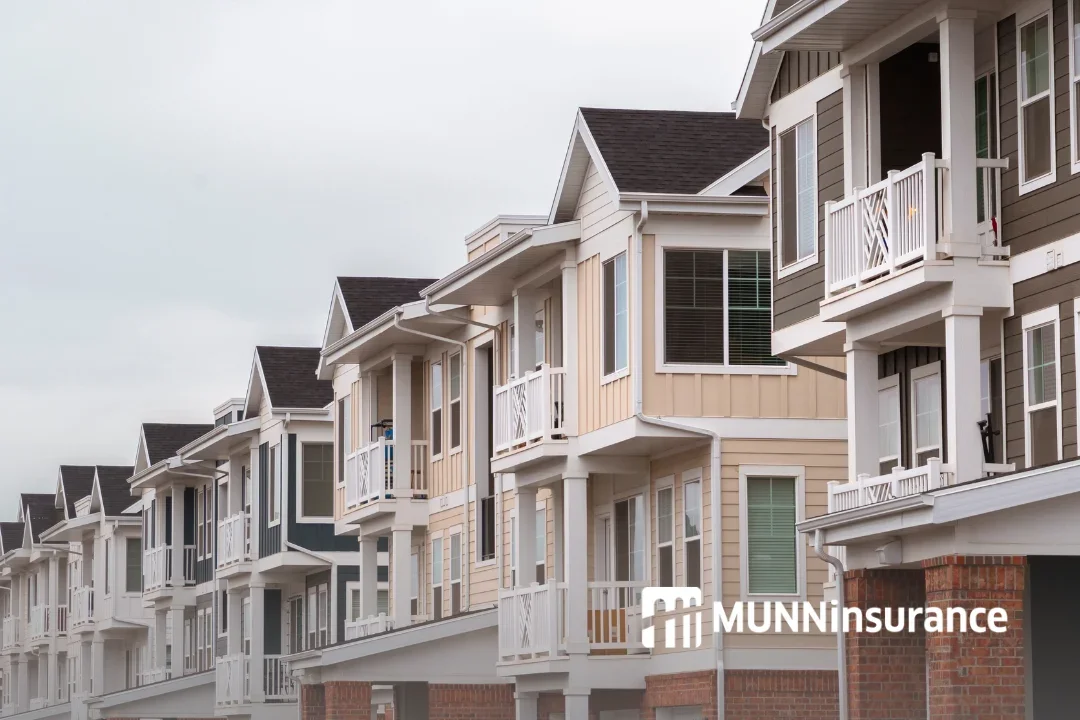
For landlords in Newfoundland and Labrador and Nova Scotia, a serious property loss can affect both the building and the rent it produces. Landlord insurance is designed for properties occupied by tenants, with coverage that may address building damage, the owner’s belongings, liability and lost rental income after certain insured losses.
The details depend on the insurer and the coverage selected. The practical starting point is to make sure your insurer knows how the property is being used and to review the terms that apply to your building, its occupancy and the risks you want covered.
Coverage should reflect how the property is used
Landlord insurance, sometimes called rental property insurance, is intended for properties rented to tenants. Depending on the policy, it can cover the rental building, appliances or furnishings owned by the landlord, garages and sheds, and the landlord’s liability for covered claims. Some policies also provide for lost rent following certain insured damage.
Regular home insurance is generally designed for a home its owner occupies. Renting that home changes the arrangement: tenants live there, rental income is at stake, and the owner faces different liability and maintenance concerns. A property may also sit empty between tenants, creating risks that differ from those of an occupied home.
If you move out and rent your home, add a basement apartment, buy an investment property or otherwise change the way a building is used, tell your insurance broker. Don’t assume the existing coverage automatically fits the new arrangement. The insurer needs accurate information about the property and its occupancy to assess the risk and explain the available coverage.
Property damage can disrupt rent as well as repairs
Fire, a burst pipe, wind damage, basement water or a fallen tree can lead to costly repairs. In Newfoundland and Labrador and Nova Scotia, landlords also contend with strong winds, heavy rain, snow, freezing temperatures and quick shifts in weather. Maintenance can help reduce the chance of damage, while insurance may help with a loss that falls within the policy’s terms.
Water damage deserves particular attention because one incident can affect several parts of a building. A winter pipe break, for example, could damage flooring, drywall, cabinets, electrical systems and appliances or furniture owned by the landlord. In a multi-unit property, the damage may reach more than one unit.
Repairs can also make a unit temporarily unfit to occupy. If tenants have to leave while work is done, rent may stop even as the landlord continues paying the mortgage, property taxes, insurance, utilities and other expenses. Depending on the policy, lost rental income coverage may help replace rent lost because of an insured event. It generally doesn’t guarantee that a tenant will pay rent when due; that is a separate issue from rent lost after covered property damage.
Water losses are not all treated the same way. Landlords should check which kinds of water damage their policy covers and ask whether additional options are available. The policy wording and the facts of a loss determine what applies.
Liability and winter upkeep need attention
Owners also face potential liability when someone is injured at a rental property. A tenant, visitor or delivery person might slip on an icy walkway, or be hurt by a failed railing or a maintenance problem. Landlord insurance can include protection for covered liability claims if the owner is alleged to be legally responsible. The terms and limits of that protection vary, so it’s useful to understand what the policy provides.
Winter maintenance can help landlords spot problems before they grow. Areas to monitor include heating systems, frozen pipes, snow accumulation, ice on stairs and walkways, roofs, gutters, drainage, exterior stairs and railings, and access to the property during an emergency. A vacant unit can be harder to monitor: a heating failure or leak may go unnoticed for longer. Ask your broker about any requirements that apply when a property is vacant or unoccupied, and tell them if it will be empty for an extended period.
Older buildings and empty periods call for clear details
Older homes across both provinces can make good rentals, but insurers may ask for details about their condition and major systems. Be ready to discuss updates to the electrical and plumbing systems, roof, heating, oil tank, foundation and windows. Oil heat, wood-burning appliances and other property features may also require more information. An older age alone doesn’t determine whether a property can be insured; the building’s details help insurers assess it.
Vacancy between tenants is common, but an empty property brings different concerns. A leak, heating problem or maintenance issue may go unreported, and the risk of vandalism may be higher. Contact your broker when a tenant moves out and you expect a gap before the next occupant. How long the property is empty can matter to the coverage, so confirm what applies instead of assuming it stays the same.
Tenants need protection for their own belongings
The landlord’s insurance generally protects the owner’s property and interests; it isn’t a substitute for a tenant’s own coverage. Tenants can consider tenant insurance for belongings such as furniture, clothing and electronics, as well as their personal liability. Depending on its terms, tenant coverage may also help with additional living expenses if an insured loss means the tenant has to leave the home.
Some landlords require tenants to carry insurance as part of the rental agreement. Whatever the arrangement, tenants should understand that the landlord’s policy generally doesn’t cover their personal belongings.
Review coverage when the property or portfolio changes
Renovations, a new heating system, an added unit, a basement conversion, a wood stove, short-term rentals, a change in who occupies a unit or a period of vacancy can all affect insurance. Keep your broker informed when the building or rental arrangement changes, and ask whether the coverage should be updated.
Owners with several properties may also need to consider the portfolio as a whole: different building types and locations, occupancy arrangements, heating systems, combined rental income, liability exposure, deductibles and renewal dates. A regular review can help identify differences in coverage as a portfolio grows.
A local broker can gather details about a property’s location, number of units, heating, occupants and the landlord’s other rentals, then explain available options. Munn Insurance says it works with landlords in Newfoundland and Labrador and Nova Scotia; the source encourages owners to discuss their particular property and situation with a broker.
Keep insurance aligned with the investment
A rental property can represent years of payments and improvements, as well as an ongoing source of income. One covered loss may involve repairs, temporary displacement and a pause in rent at the same time. Landlord insurance can help protect the building, the owner’s interests and, where the policy provides for it, rental income after certain insured losses.
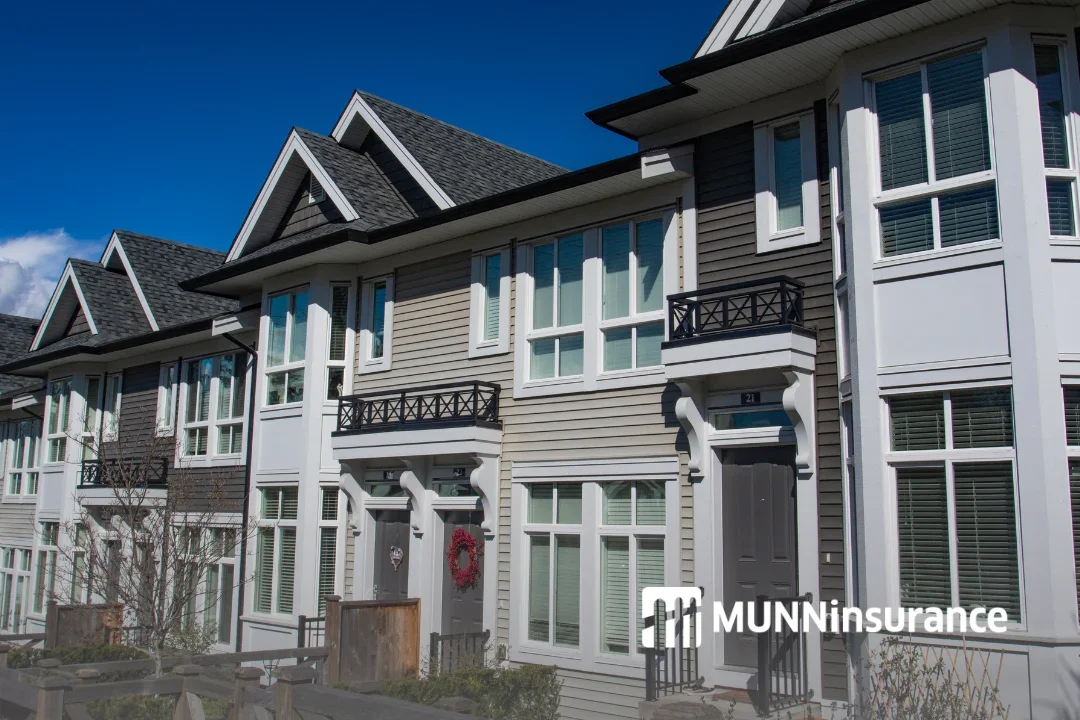
If you own a rental, are preparing to rent out your home or are adding properties, review the coverage whenever use, occupancy or building features change. For information about Munn Insurance’s landlord coverage, visit munninsurance.com/landlord-insurance-program/ or call 1-855-726-8627.