A Montana court has upheld an anti-concurrent causation clause, denying coverage for property damage linked to earth movement despite claims of a covered peril.
A recent ruling from a district court in Montana has important implications for how property insurance claims are handled when multiple causes contribute to damage. The case, Ward v. Safeco Ins. Co. of Amer., involved an insured party whose tenant reported a leak from a main water line leading to damage in the kitchen's floor due to soil settlement. This situation raised questions about the interplay between damage exclusions in policies and the effects of the anti-concurrent causation clause, ultimately shaping legal interpretations in property insurance.
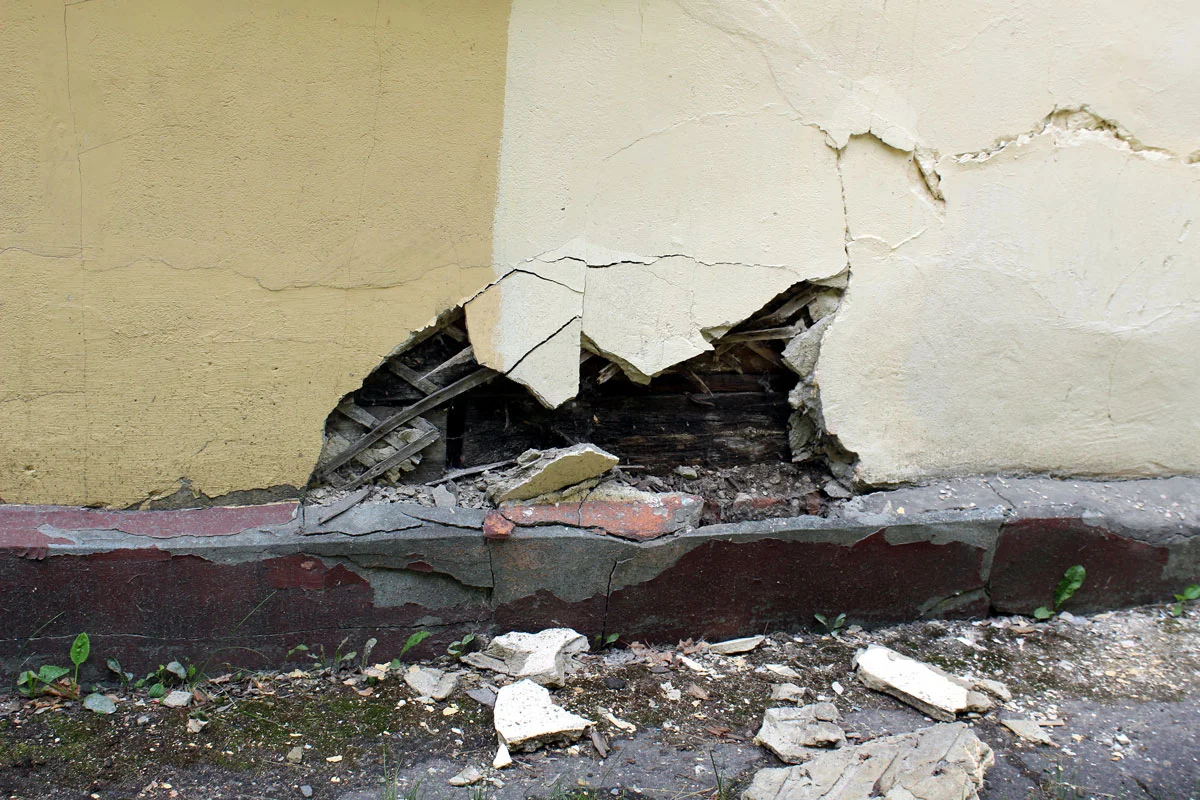
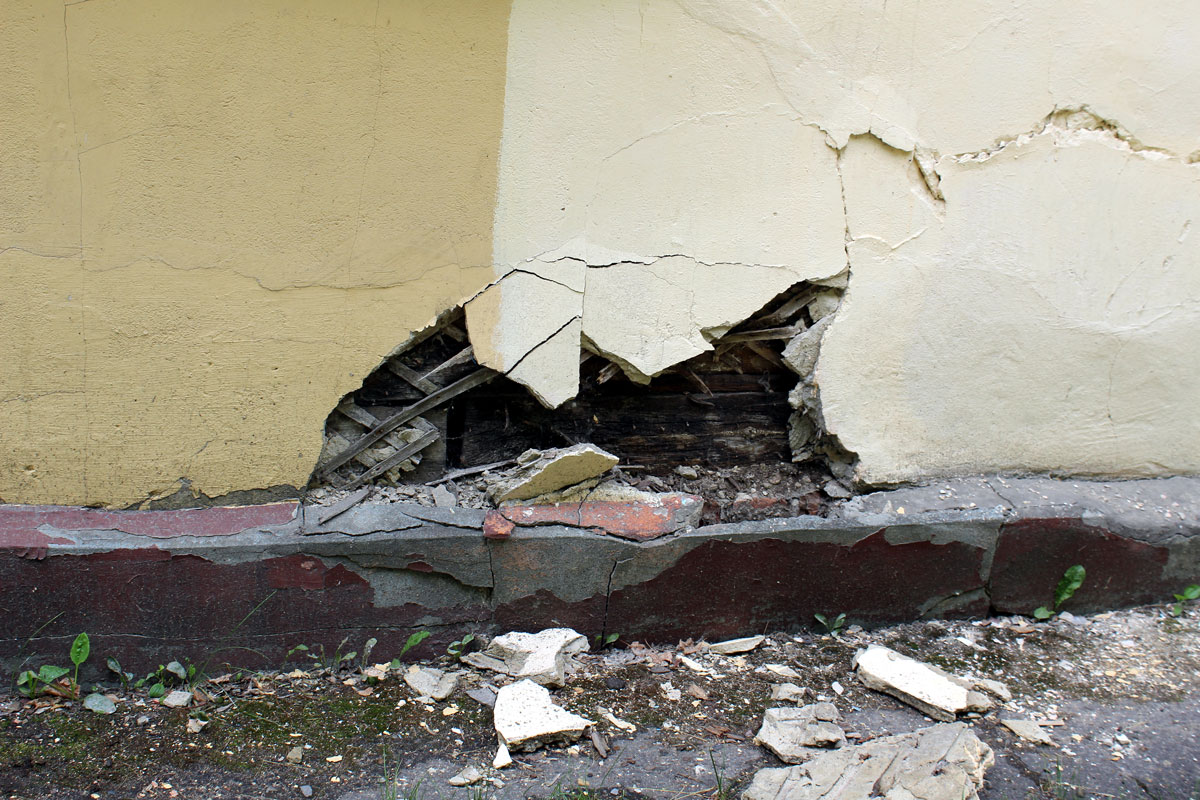
The insured property suffered from water damage that was reported to have originated from a leaking pipe. As a result of the leak, the soil beneath the property softened, leading to structural issues including cracks in the foundation. The ensuing investigation by the insurer involved an engineering firm that assessed the damage. Their report indicated that while some cracks were longstanding and resulted from the home’s design, the recent settlement was likely a consequence of insufficient soil support during the installation of the new water line.
Building on this engineering analysis, Safeco Insurance decided to deny the claim, citing both the earth movement and water damage exclusions in their policy as the basis for their action. Afterward, the insured escalated the issue to the Montana Commissioner of Securities and Insurance. Here, a different structural engineer's report asserted that the water main break directly led to soil settlement that caused the floor slab damage. However, Safeco maintained its denial, leading to a lawsuit filed by the insured in district court.
During the court proceedings, the insured contended that the exclusions referenced by Safeco were ambiguous. She attempted to argue that the earth movement exclusion should only address large-scale geological events. The court, however, disagreed, concluding that the policy’s language clearly encompassed all forms of earth movement, regardless of scale. The ruling emphasized that “earth” is meant to include any natural materials on the earth’s surface, such as rocks and soil.
Further complicating the case, the insured invoked Montana’s proximate cause doctrine, which traditionally guarantees coverage for losses caused by excluded events if those events were initiated by a covered peril. She posited that despite the earth movement, the proximate cause of the damage was the broken water main—a covered event. Yet, the court did not uphold this view, largely due to the presence of the policy's anti-concurrent causation clause.
This specific clause stated that the insurer would not be liable for losses caused directly or indirectly by any listed exclusions, regardless of whether a concurrent or sequential contributing factor was a covered event. Essentially, because the soil consolidation—defined as an excluded peril—was deemed to have caused the damage, the court ruled that the insurer correctly denied coverage, even though part of the damage originated from a covered peril (the water leak).
The outcome of Ward signifies a critical precedent in Montana, allowing insurers to rely on anti-concurrent causation clauses to deny claims for damage linked to excluded perils—such as earth movement—even in situations where a covered peril triggers the initial issue. Montana typically adheres to the proximate cause doctrine; however, this case underscores that with the right policy language, insurers can effectively navigate around it. Thus, parties involved in property insurance should now consider reviewing their policies carefully to understand the implications of anti-concurrent causation clauses and how they might affect future claims.
As the insurance landscape continues to evolve, property owners and businesses should remain vigilant. This ruling reminds us that the specifics of policy language can significantly influence outcomes and coverage. Understanding these clauses in depth can help insured parties make more informed decisions when it comes to managing their risks and responsibilities in the face of property damage claims.
This case serves as a cautionary tale for policyholders to thoroughly understand their coverage and work with knowledgeable professionals to interpret policy language. Engaging a legal expert or insurance advisor could provide critical insights into the nuances of coverage limitations, ensuring that property owners are better prepared to navigate similar circumstances in the future.


