Governors in Georgia, Kansas, Texas and Wisconsin backed broader Medicaid coverage. Federal funding limits, work rules and divided legislatures complicate the path.
More than a million people in Georgia, Kansas, Texas and Wisconsin could gain coverage if their states fully expand Medicaid. The incoming governors of all four states campaigned on widening access, but the path from promise to enrollment runs through a changed funding system, new work rules and legislatures that may not support expansion.
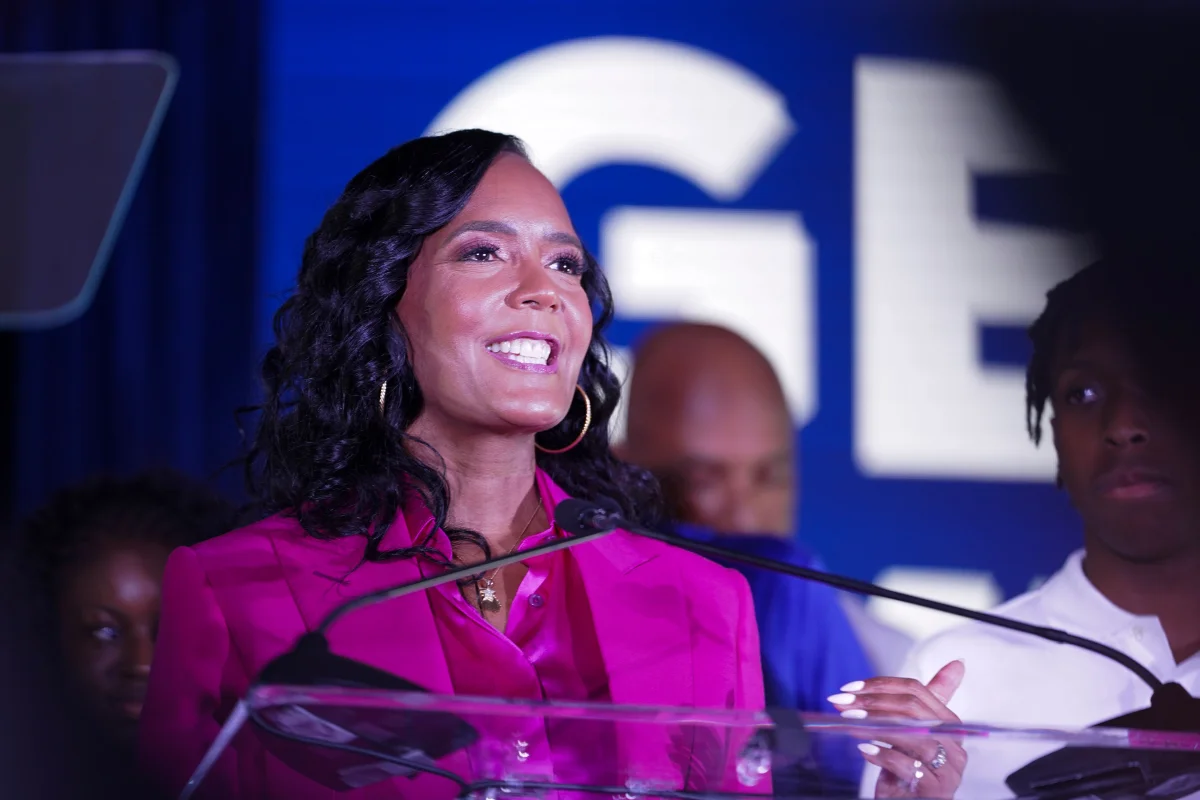
For people who lack affordable health coverage, the stakes are direct. Georgia’s Keisha Lance Bottoms made expansion part of her victory speech, highlighting caregivers who can’t afford care. In Texas, former U.S. Representative Beto O’Rourke said stories of residents struggling without coverage had made a strong impression on incoming governor Gina Hinojosa. Yet the practical question is no longer simply whether a state wants to expand. It’s whether expansion still makes financial and administrative sense under the new federal rules, and whether state lawmakers will agree.
The financial terms have changed
The Affordable Care Act offered states a higher federal match for people enrolled through expansion than states receive for many other Medicaid enrollees. A broader pool of insured patients can also ease some of the uncompensated care burden on hospitals. Those benefits have helped draw support from health providers and rural communities concerned about the financial pressure on local facilities.
But the financial calculation has become more difficult. A federal budget law passed last year removed a bonus that had encouraged states to expand. It also restricted certain funding arrangements that states use to support hospitals and physicians serving large numbers of Medicaid patients. The restrictions are tighter for expansion states, adding a potential cost to the decision.
Wisconsin’s hospital association estimates that full expansion could put hundreds of millions of dollars in federal funding flowing into the state at risk. That concern is likely to weigh heavily as lawmakers consider the proposal. Bobby Peterson, a Madison attorney who helps people navigate benefit programs, expects difficult discussions even with Democrats set to control the governor’s office and both legislative chambers beginning in January.
States would still have to pay their share of costs for the additional enrollees while accounting for the funding limits. As Lawson Mansell, a senior health policy analyst at the Niskanen Center, put it, the numbers involve complicated trade-offs. The higher match and potential reduction in uncompensated care matter, but so does the possibility of losing other federal support.
Wisconsin’s direction remains uncertain
David Crowley, Wisconsin’s incoming governor, supported full expansion early in his run. Later, he proposed allowing any state resident to buy into the state’s partial Medicaid expansion. Since winning office, he has moved further from a full expansion position. His campaign did not answer questions about which approach he will pursue, and spokesperson Jonathan Fera said Crowley would share more about his agenda after inauguration.
That shift leaves providers, lawmakers and residents without a clear account of what the state might do next. A buy-in proposal and full expansion would affect eligibility and enrollment differently, so the details matter to people trying to understand whether they could qualify and how the state would finance coverage.
Work rules add an administrative test
The new federal law also requires many expansion enrollees to show that they are working or completing at least 80 hours a month of other qualifying activities. States that expand will have to put those requirements into practice, while dealing with the political difficulty of administering rules they may oppose. The requirements could also change again if federal lawmakers take a different course.
There is already a warning from Georgia’s limited expansion program, which includes similar work rules and is scheduled to expire at the end of the year. Administrative obstacles have made it harder for eligible people to enroll. States that have already expanded Medicaid are also working through the new requirements, which will demand changes to eligibility systems and other operations.
On Nov. 13, the White House allowed states to delay the work rules, originally set to begin Jan. 1, by six months after pushback. That postponement gives states more time, but it doesn’t settle how the requirements will be applied or whether they will remain in place. Edwin Park, a research professor at Georgetown University’s Center for Children and Families, warned that extra administrative steps could leave people uninsured even if their state expands.
Legislative support varies by state
Texas has a particularly large existing marketplace for private health plans: more than 4 million people selected plans for 2026. Opponents of Medicaid expansion have argued that residents should remain in private marketplace coverage instead of joining the public program. Hinojosa’s past work in the state legislature and her campaign statements suggest that expansion is a priority for her, O’Rourke said.
Still, Republicans will retain control of the Texas Senate, despite Democrats winning the governor’s office and a majority in the state House. John Henderson, who leads the Texas Organization of Rural & Community Hospitals, doubts Senate Republicans will change their longstanding opposition. He described past interest in the House but little enthusiasm in the Senate.
Kansas presents a different legislative challenge. Cindy Holscher won a close race to replace Governor Laura Kelly, whose attempts to expand Medicaid were blocked. Republicans kept control of both legislative chambers, though Democrats ended the GOP supermajority in the House. Holscher’s campaign did not respond to questions about her plans for advancing expansion with both chambers under Republican control.
April Holman, executive director of the Alliance for a Healthy Kansas, said the new House membership gives Democrats more room to restart discussions. Her optimism reflects a changed balance within that chamber, though the Senate remains a significant obstacle.
Forty states and Washington, D.C., have adopted full expansion, most recently North Carolina in 2023. Georgia and Wisconsin have not fully expanded eligibility, although both cover some people who would qualify under full expansion. Federal rules and funding are now shifting alongside state leadership. For residents, the key developments to watch are which expansion model each governor pursues, how lawmakers respond, and how work requirements affect enrollment.