Retirees face various risks, including outliving savings and rising medical costs. Here’s how to plan effectively and safeguard your financial future.

While many dream about retirement as a carefree phase of life, it’s vital to recognize the risks that could undermine your financial security. With uncertainties like market fluctuations and increasing health expenses, proactive planning becomes essential. Here’s a closer look at common retirement risks and actionable strategies to address them.
1. Outliving Your Savings
The growing life expectancy means that your retirement funds need to last longer than previously anticipated. Outliving your savings is a significant concern for many retirees. To stretch your retirement funds further, consider the following strategies:
- Extend Your Working Years: Staying in the workforce a few years longer can bolster your retirement savings while also delaying withdrawals from your accounts.
- Embrace Part-time Opportunities: Transitioning into part-time work can provide a steady income source, allowing your retirement investments to continue to grow.
- Delay Claiming Social Security: If your health is stable and you have alternative income sources, postponing Social Security can significantly increase your monthly benefits when you do apply.
- Invest in Annuities: Annuities can offer a reliable income stream for the rest of your life, providing peace of mind regarding outliving your funds.
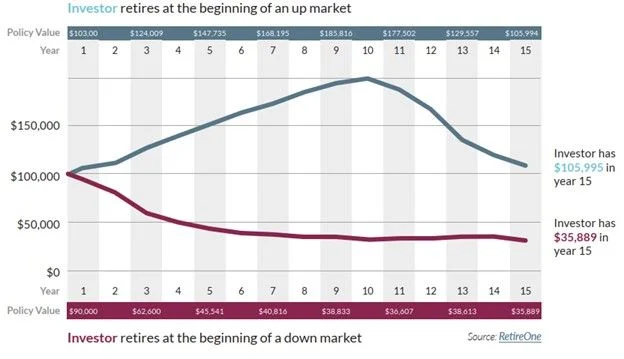
2. Sequence of Returns Risk
How and when you retire greatly impacts your financial health due to sequence of returns risk. This phenomenon occurs when you experience a market downturn shortly after retiring. Withdrawing funds during a market decline can significantly deplete your portfolio. To mitigate this risk, consider these approaches:
- Create a Cash Reserve: Working with a financial advisor can help you build a cash reserve or conservative investment pool specifically for the initial years of retirement. This reserve allows you to avoid selling assets at a loss in a declining market.
Understanding the implications of market fluctuations on your portfolio’s longevity is crucial. A comprehensive strategy can help you weather the storm of unpredictable market conditions.
3. Rising Health Care Costs
Health care expenses steadily climb, often catching retirees off guard. According to predictions, health costs may surge by about 7.5% in upcoming years, primarily due to inflation and increased health service usage. Addressing these expenses requires foresight:
- Utilize Health Savings Accounts (HSAs): Contributing to an HSA before retiring allows you to accumulate tax-advantaged savings specifically for health-related costs.
- Secure Health Insurance: If you retire before reaching age 65, it's critical to have health insurance in place. Options include COBRA coverage from your previous employer or plans through healthcare exchanges.
- Supplement Insurance with Medicare: While Medicare covers certain medical expenses, it doesn’t serve as a catch-all. Ensure you have supplemental insurance to cover out-of-pocket costs.
- Invest in Long-term Care Insurance: Given the high likelihood of requiring long-term care, considering this insurance can safeguard against the unexpected expenses of future health needs.
4. The Erosion of Purchasing Power Due to Inflation
Inflation, while often understated, can have a significant impact on the purchasing power of your retirement funds. As costs increase, it’s essential to implement strategies to keep pace:
- Invest for Growth: Historically, equities have outperformed inflation over the long term. Maintaining an allocation to stocks even in retirement can help your portfolio grow adequately.
- Select Inflation-Proof Investments: Discuss with your financial advisor to tailor your investment portfolio with inflation in mind.
- Consider Inflation-Indexed Annuities: Some annuities offer the option of increasing payments tied to inflation, which can provide a consistent income that retains its value.
Embracing retirement should bring joy and relaxation rather than anxiety over financial troubles. However, staying informed about potential risks and planning accordingly can ease concerns and enhance your retirement experience. With careful consideration and diligent planning, you can navigate these challenges and enjoy your well-deserved time off from work.
Related Content
- Phased Retirement: Why Easing Into Retirement Might Be Your Best Move
- Delay Social Security Benefits — Even by a Month — to Boost Your Check
- Average Cost of Health Care by Age
- How to Help Shield Your Retirement From Inflation
- Three Essential Estate Planning Steps to Protect Your Nest Egg
This article presents insights from financial experts, providing valuable information on retirement planning. Always verify adviser credentials through reliable sources like the SEC or FINRA.


