Long-term care insurance (LTCI) offers crucial financial support for aging Americans, but policyholders must navigate premium increases, coverage details, and benefits carefully.

Approximately 7.5 million Americans rely on some form of long-term care insurance (LTCI) to help cover expenses associated with health conditions that aren't addressed by standard health plans. These policies play a vital role for those facing significant health challenges, including Alzheimer's or mobility impairments, as they provide options for care that enhance their quality of life.
Policyholders with LTCI typically enjoy broader choices regarding housing and in-home care compared to those without. However, questions often arise about maintaining and optimizing these policies. Drawing from common inquiries I encounter in my practice, the following insights may help you effectively navigate your long-term care needs.
Addressing Annual Premium Increases
Each year, many LTCI policyholders face premium increases, sometimes as steep as 20%. While it's natural to feel frustrated, dropping your policy can lead to even more significant financial burdens later, especially when faced with self-paying for assisted living or nursing care. Instead of canceling your coverage, consider the following strategies:
- Communicate with your insurance provider about potential reductions in benefits rather than simply accepting the increased premiums.
- Request tradeoff comparisons from your insurer to understand how changes affect your long-term care benefits, such as adjusting your daily benefit amount or changing the inflation protection rate.
- Explore different scenarios, such as how reducing your total coverage from a five-year, $400,000 cap to a three-year, $250,000 cap impacts your premiums.
Your first step should be to contact your insurer’s customer support—usually listed in the premium increase notification. It's crucial to understand deadlines for making changes, as many notifications include automatic acceptance of the increased premium unless you actively choose an alternative option.
Eligibility for Long-Term Care Benefits
To activate your LTCI policy, certain eligibility criteria must be met. This typically includes showing signs of cognitive impairment, such as Alzheimer’s, or being unable to perform at least two of the following five activities of daily living (ADLs) for 90 days:
- Bathing
- Dressing
- Continence/toileting
- Eating
- Transferring
Be aware that many policies feature a waiting or elimination period—often around 90 to 100 days—during which you are responsible for costs until benefits kick in. However, once you begin using your LTCI, premium payments are suspended while you are receiving care.
Home Care Coverage Options
Many people wonder if they can use their LTCI for home health services. Coverage varies by policy, so it’s essential to verify what your specific insurance will pay for, whether it involves home care aides, health aides, or care provided at assisted living facilities. You must meet the same eligibility requirements mentioned earlier before accessing home care services.
Cost Considerations for Long-Term Care Insurance Holders
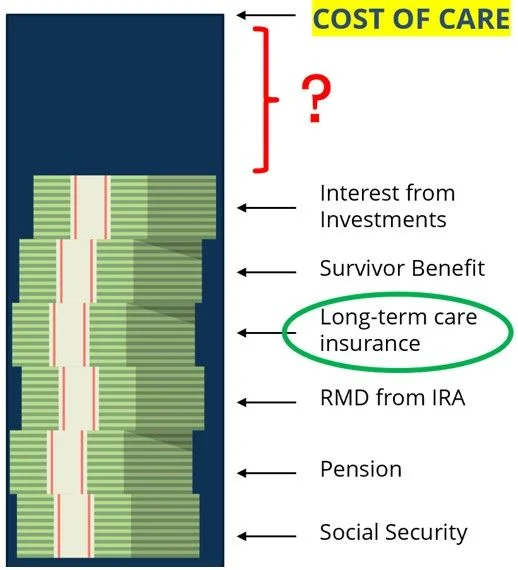
A common misconception among LTCI policyholders is believing their insurance will cover all long-term care costs. Unfortunately, this is rarely the case. Long-term care insurance typically covers only a portion of expenses related to services. For instance, as reported by Genworth, costs can be significant:
- The average annual cost for assisted living is $54,000.
- Home health aides cost around $62,000 per year.
- Nursing home expenses can reach up to $108,000 annually, with costs often higher in certain regions.
With a daily benefit of $200, your LTCI policy would only cover a fraction of an $8,000 monthly nursing home fee, leaving a considerable gap that you’ll need to plan for.
Understanding Your Policy
One of the most crucial pieces of advice I provide to LTCI policyholders is to familiarize themselves with the terms and coverages outlined in their policies. Many individuals are unaware of what their coverage entails, often neglecting to read the fine print, and some may misplace their documents entirely. The only communication they receive is through annual premium notices. If you've lost your policy, don't hesitate to request a new copy from your insurance company and take the time to understand its provisions. Engage with your insurer to clarify any uncertainties you might have, ensuring you're fully informed about your long-term care options.
Being proactive and knowledgeable about your long-term care insurance can enhance your ability to make informed decisions in the future. Knowing when and how to utilize your benefits can significantly impact your care and financial security during challenging times.


