Discover how to select a cruiser motorcycle that ensures passenger comfort, safety, and enjoyable rides, along with practical insurance considerations.
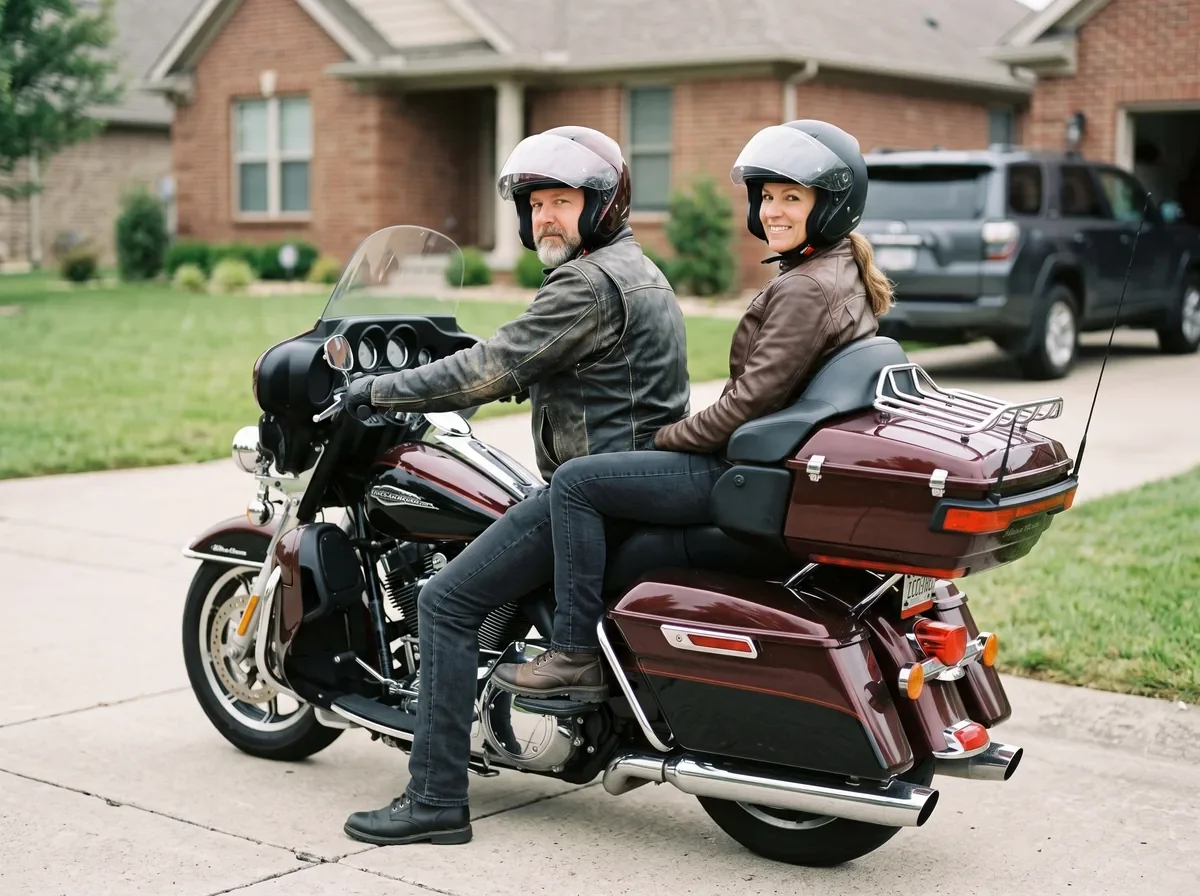
The ideal cruiser motorcycle for carrying a passenger is one that prioritizes comfort and safety for both the rider and the second person. For many riders, this might not be their first choice, particularly when they ride alone. Proper insurance coverage tailored for two riders is crucial, which leads us to the basics of Ontario motorcycle insurance.
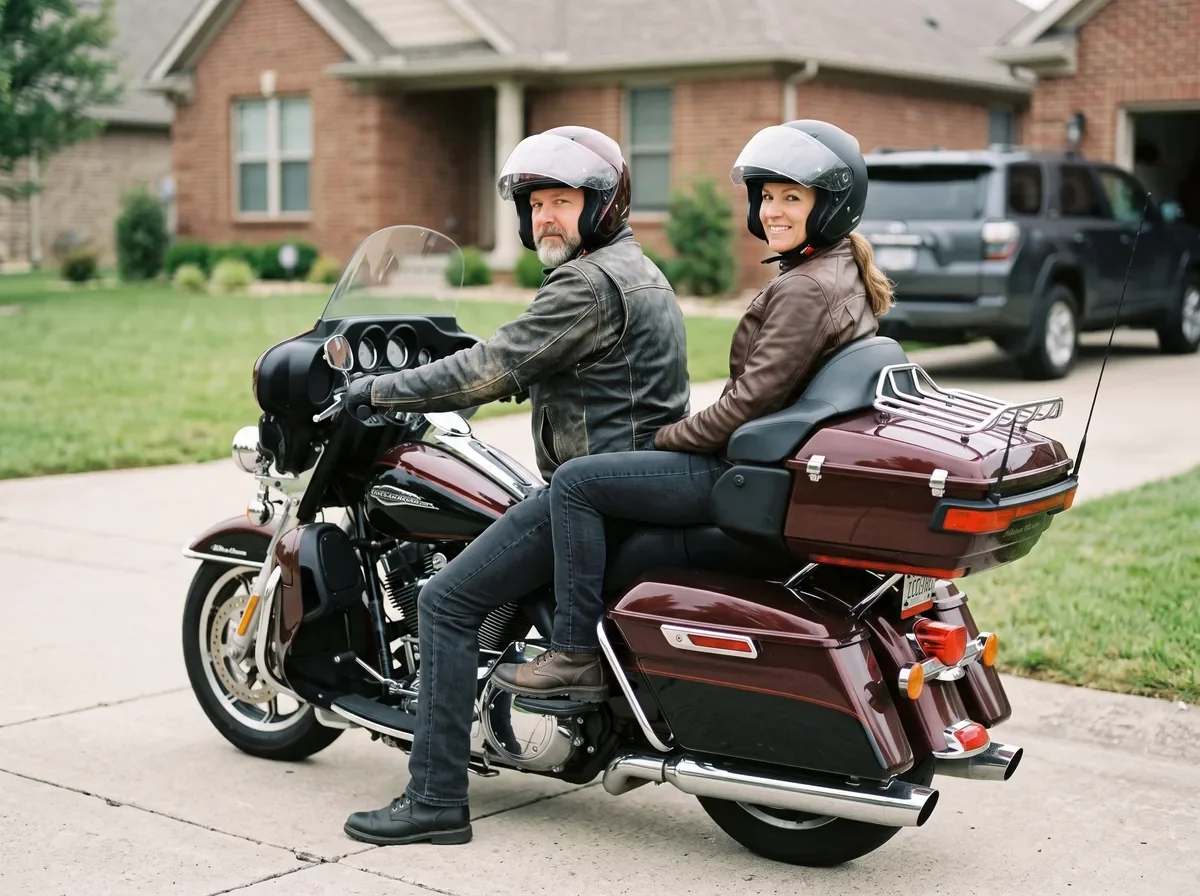
This guide aids riders in selecting a motorcycle that suits both their needs and those of their passenger. It delves into the sensations experienced by a passenger on a cruiser, compares various categories for two-up riding, identifies the most comfortable current models, and highlights essential checks before finalizing a purchase.
What a Passenger Actually Feels on a Cruiser
When riding a cruiser, riders have the stability of handlebars, footpegs, and a comprehensive view of the road to help them navigate bumpy rides and abrupt stops. Passengers experience riding differently; they primarily feel the seat, the wind, the suspension, and the rider’s braking—but with less control over these elements.
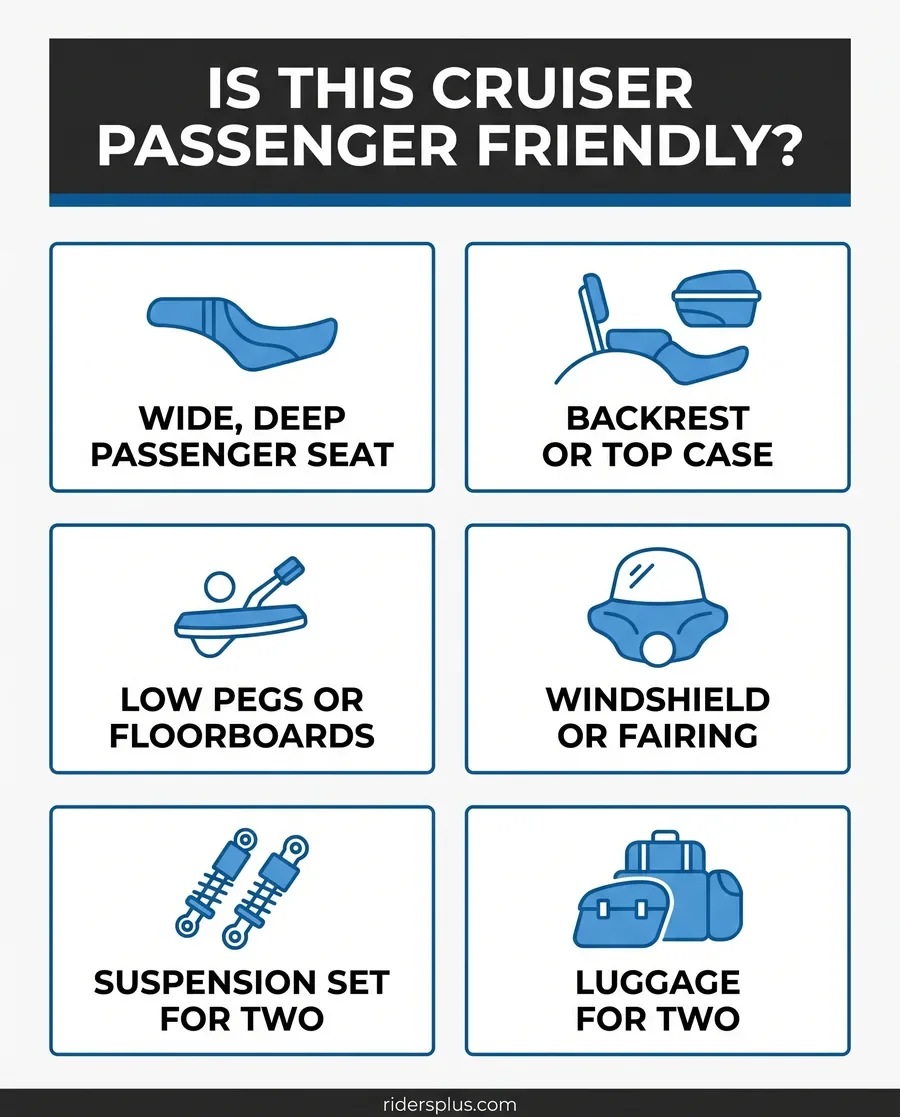
The minimum requirements articulated by the Ontario Ministry of Transportation include a passenger seat that allows for comfort, proper footrests, a certified helmet, and protective attire. However, for a truly satisfying experience, comfort upgrades are advisable:
- Seat: The passenger’s comfort largely hinges on seat width, padding depth, and a slight forward slope. A narrow pillion pad is generally only suitable for short rides.
- Backrest: A backrest, whether a sissy bar or integrated into the motorcycle, significantly enhances comfort, allowing passengers to relax rather than grip tightly.
- Footpeg Position: Pegs that are too high or far back can cause discomfort by folding the passenger’s knees uncomfortably. Floorboards or lower pegs are better options.
- Wind Protection: A cruiser lacking a windshield can expose passengers to severe wind turbulence, making long rides less enjoyable.
- Suspension: Suspension quality is crucial; short-travel shocks may struggle with the added weight of a passenger and can lead to a rough ride.
Three Cruiser Categories, Compared for Two-Up Riding
Cruisers come in various styles, and selecting the best one for a passenger is often contingent on which type a rider prefers. The three main categories are classic cruisers, baggers, and full-dress touring cruisers.
| Classic Cruiser | Bagger | Full-Dress Touring | |
|---|---|---|---|
| Passenger Seat | Typically a small pillion pad; upgradeable options available | Wider, two-piece or one-piece seats | Broad, deep, frequently heated seats |
| Backrest | Often optional add-ons | Optional or accessory available | Integrated backrest with top case |
| Wind Protection | Minimal without a windshield | Some protection offered by fairing | Extensive protection from full fairing and windshields |
| Luggage | Limited luggage options | Hard saddlebags included | Saddlebags plus a top case |
| Weight and Handling | Lightest option | Moderately heavier | Heaviest; requires skilled low-speed handling |
| Best For Two-Up Use | Short local rides | Excellent for day trips and weekends | Ideal for multi-day journeys |
The conclusion is fairly straightforward: if you plan longer rides together, your choice should lean towards a full-dress touring cruiser. If the rides will be brief, a classic cruiser can be an adequate option with the right adaptations.
The Best Cruiser Motorcycle for Passenger Comfort in 2026: Current Models
For the 2026 model year, several notable options from major American manufacturers (including both classic and innovative designs) can be considered for a comfortable ride for two:
Full-Dress Touring Cruisers
Harley-Davidson’s Road Glide Limited and Street Glide Limited stand as the premium choices, featuring full fairings, integrated passenger backrests, and seats crafted for endurance. Similarly, Indian’s Roadmaster family mirrors this offering, with designs that prioritize long-distance comfort.
Baggers
Models like Indian’s Chieftain and Springfield bagger retain the hard bags and a fairing similar to tourers but without the top case, requiring a backrest as an accessory. Harley’s Low Rider ST offers a sportier take, making them viable options for weekend trips with an added backrest.
Classic Cruisers that Carry a Passenger Well
Additionally, Harley-Davidson’s Heritage Classic and Indian’s Chief Vintage exemplify classic cruisers built with comfort in mind, equipped with soft bags and proper two-up seating, making them lighter and easier to navigate than full-dress riders.
It should be noted that in Ontario, riders with an M1 license are prohibited from carrying passengers, per provincial regulations. Only M2 licensed riders can carry passengers, and it’s advisable for newer riders to gain considerable experience before doing so.
Making a Bike Two-Up Ready
If you already own a classic cruiser and want to adjust it for passenger comfort, consider the following upgrades:
- Passenger Seat: Upgrade the pillion pad to a wider two-up seat from a trustworthy aftermarket supplier or the manufacturer.
- Backrest: Adding a sissy bar or detachable backrest can drastically improve the passenger’s comfort.
- Windshield: A windshield helps shield the passenger from wind, enhancing comfort significantly.
- Suspension Adjustment: Adjust the bike's rear suspension preload for two passengers or upgrade if it still bottoms out.
- Footpeg Alterations: Adjusted floorboards or pegs help keep the passenger’s knees relaxed.
Two cautionary points: Be sure to mention modifications to your insurer, as they could impact your policy, and be aware that extra weight can change how your motorcycle rides. Take your first two-up trial in a calm area to assess the bike’s behavior.
Pro tip:
Before purchasing a new seat or backrest, have your passenger sit on the bike alongside you in the showroom to gauge comfort and fit. This hands-on approach is often more revealing than specifications.
Which Bike Fits Which Couple
Ultimately, the best motorcycle for carrying a passenger is tailored to the specific couple riding it. Here are some suitable pairings based on typical usage scenarios among Ontario riders:
- Short local rides: Consider the Heritage Classic or Chief Vintage, adding a backrest for comfort.
- Weekend excursions: A bagger with a backrest and decent windscreen will serve well for longer trips.
- Long journeys: Go for a full-dress touring bike like the Road Glide or Roadmaster for extended travel comfort.
- Nervous passengers: Opt for a lower, more stable bike equipped with a backrest for short rides.
- Riders struggling with weight: Choose a lighter classic cruiser instead of a hefty tourer to mitigate handling issues.
Before You Buy: The Passenger’s Test Ride
Most dealerships will facilitate a two-up test ride upon request; this is critical for gauging passenger comfort. After the ride, ask the passenger about their experience—where they felt bumps, what they held on to, and if they could handle two hours of riding. Dealers across Ontario should accommodate this request, ensuring both rider and passenger are satisfied with their choice.
Finally, ensure that any changes, including bringing a passenger, are noted in your insurance policy, which can be clarified with a Riders Plus broker. Whether you're in Burlington and Halton or Newmarket and York Region, getting a quote online can help you secure quality motorcycle insurance in preparation for your adventures.
Good to know:
The content provided in this article is meant for informational purposes only and does not replace professional advice. Always verify current rules and requirements with relevant authorities.
Download the free quick guide:
A convenient checklist for selecting and preparing a cruiser for passenger riding is available.
Frequently Asked Questions
Is a heavier touring cruiser harder to ride with a passenger?
Generally, at higher speeds, the extra weight of a touring cruiser contributes to stability. The challenge often presents itself at low speeds, especially when maneuvering in tight spots, making handling more difficult. If low-speed handling poses a challenge, riders should consider lighter alternatives or take a course on slow-speed maneuvering.
Does the passenger need their own gear?
Yes, Ontario mandates that all passengers wear an approved helmet and protective clothing—including jackets, gloves, durable pants, and boots. A poorly fitted helmet can compromise safety, so it’s essential that the passenger’s gear is as meticulously selected as the rider’s.
How do I prepare the bike for my first ride with a passenger?
Follow the motorcycle handbook's checklist: adjust rear suspension preload if applicable, verify tire pressures for carrying a passenger, ensure mirrors and headlight align with the passenger seated, and educate the passenger on safe boarding, holding on, and leaning. Ride gently initially; the bike will behave differently with two passengers.
Do I need to inform my broker when carrying a passenger?
It's advisable to consult with your insurance broker regarding policy specifics and how carrying a passenger may impact coverage. Changes to your motorcycle to accommodate a passenger may require additional discussion with your insurer.
Keep reading:
While the rider chooses the motorcycle, the ultimate satisfaction of the ride for both individuals lies in selecting a bike that is cultivated to meet the needs of the passenger. Your best cruiser motorcycle is the one that signals there will be a second trip.


