Motorcycle passenger insurance in Ontario is integrated into standard policies without a separate product. Here are key considerations for riders transporting a passenger.
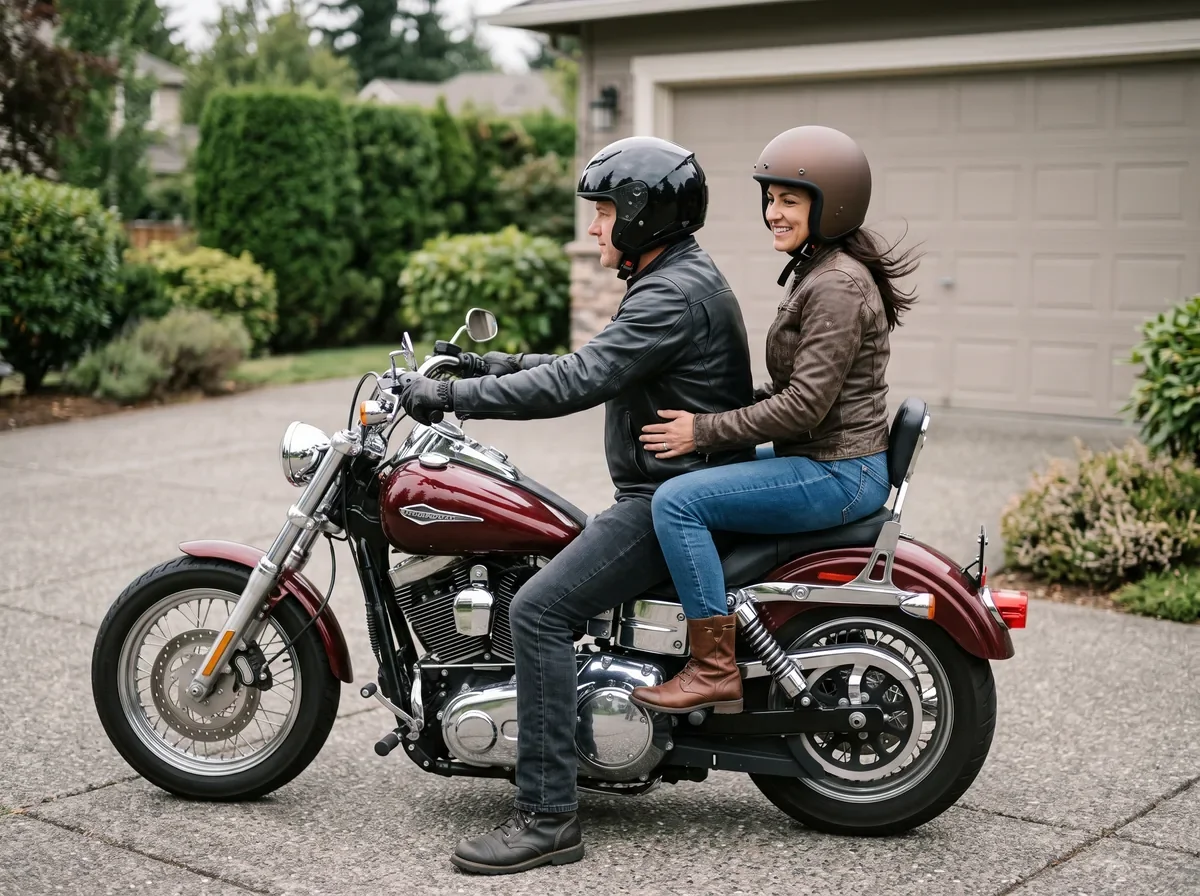
When it comes to carrying a passenger on a motorcycle in Ontario, the first thing to note is that there isn’t a distinct motorcycle passenger insurance product available. Instead, a motorcycle policy in Ontario is designed to encompass coverage for passengers as part of its basic structure. The essential questions for riders typically center around their licensing, their policy's coverage when transporting a second person, and whether they should opt for additional coverage beyond the minimum requirements.
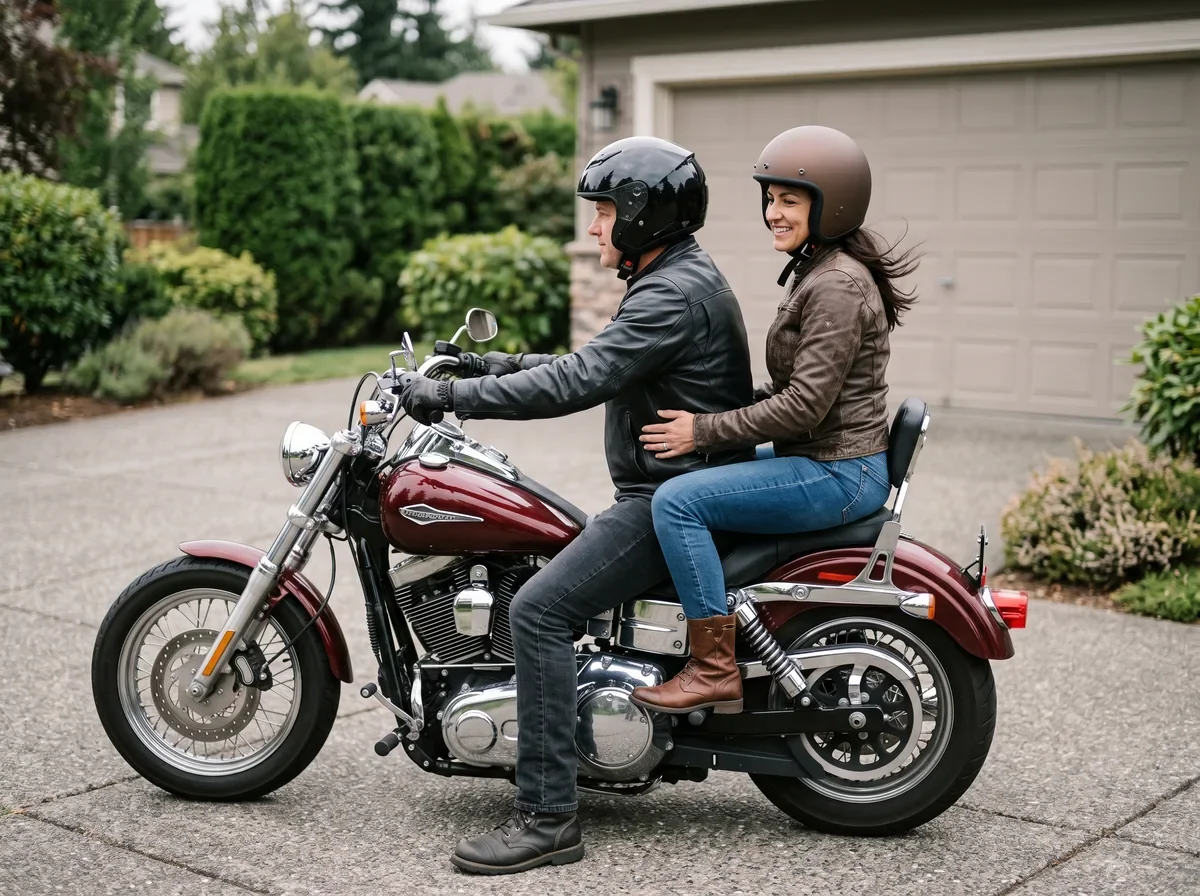
Is there such a thing as motorcycle passenger insurance in Ontario?
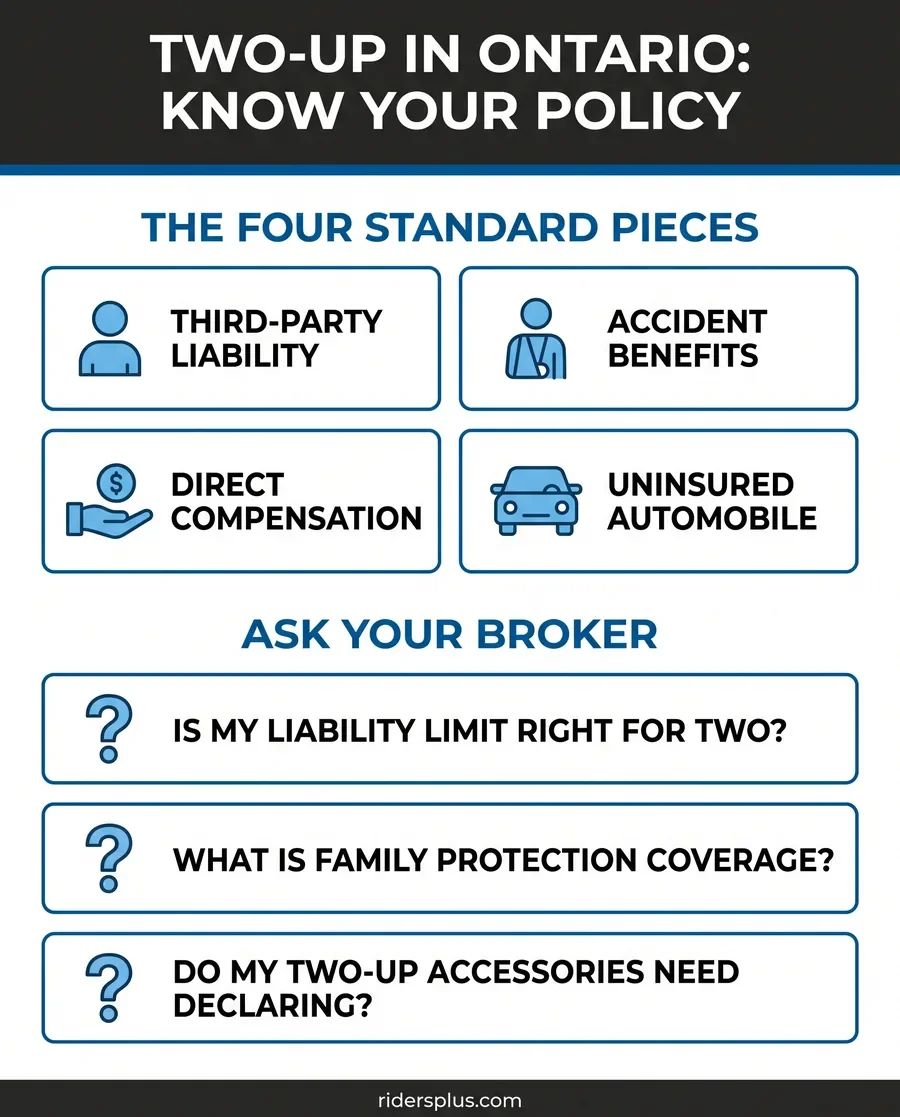
In Ontario, motorcycle insurance is governed by standard policies that include mandatory coverage types outlined by the Financial Services Regulatory Authority of Ontario (FSRA). This includes third-party liability, statutory accident benefits, direct compensation for property damage, and uninsured automobile coverage. These components collectively apply to both the rider and any passenger.
Therefore, when riders inquire about motorcycle passenger insurance, they often need clarity on three main points: their ability to carry a passenger legally, the coverage protections for that passenger, and considerations for additional coverage that may be beneficial.
Am I even allowed to carry a passenger?
The ability to carry a passenger hinges on the type of motorcycle license held. According to the provincial motorcycle licensing guidelines, individuals with an M1 license are prohibited from having any passengers. Once a rider progresses to an M2 license, the option to carry passengers becomes available.
However, the Ministry of Transportation emphasizes the importance of experience: it suggests that even licensed M2 riders should gain sufficient riding experience before carrying someone. For a motorcycle to accommodate a passenger, it must have a properly sized seat and include footrests. Approved helmets and protective clothing for the passenger are also mandatory, creating a legal obligation for both the rider and the passenger.
What does liability coverage do when I have a passenger?
Liability coverage is an integral feature of any motorcycle insurance policy. This aspect of the policy is activated if someone else is injured or property is damaged due to an incident where the rider is deemed responsible. As of September 2026, FSRA specifies that the minimum liability coverage limit in Ontario must be at least $200,000.
The relevance of liability coverage becomes particularly pronounced when transporting a passenger. In unfortunate circumstances, a passenger injured in a crash may bring a claim against the rider, similar to how other road users might pursue claims against a driver. The specific response of a policy to this situation can vary significantly, which highlights the importance of discussing coverage specifics with an insurance broker.
What are accident benefits, and do they apply to my passenger?
Statutory accident benefits offer critical coverage under Ontario’s no-fault insurance system. These benefits typically include medical and rehabilitation support, attendant care, income replacement, and more, regardless of who is at fault in an accident. The scope and availability of these benefits can change based on the policy’s conditions as dictated by its renewal date or selected options.
Determining how a passenger can access these benefits following an accident depends on various factors, including the circumstances surrounding the incident. The structure of the insurance system ensures that avenues for obtaining these benefits are available to injured parties.
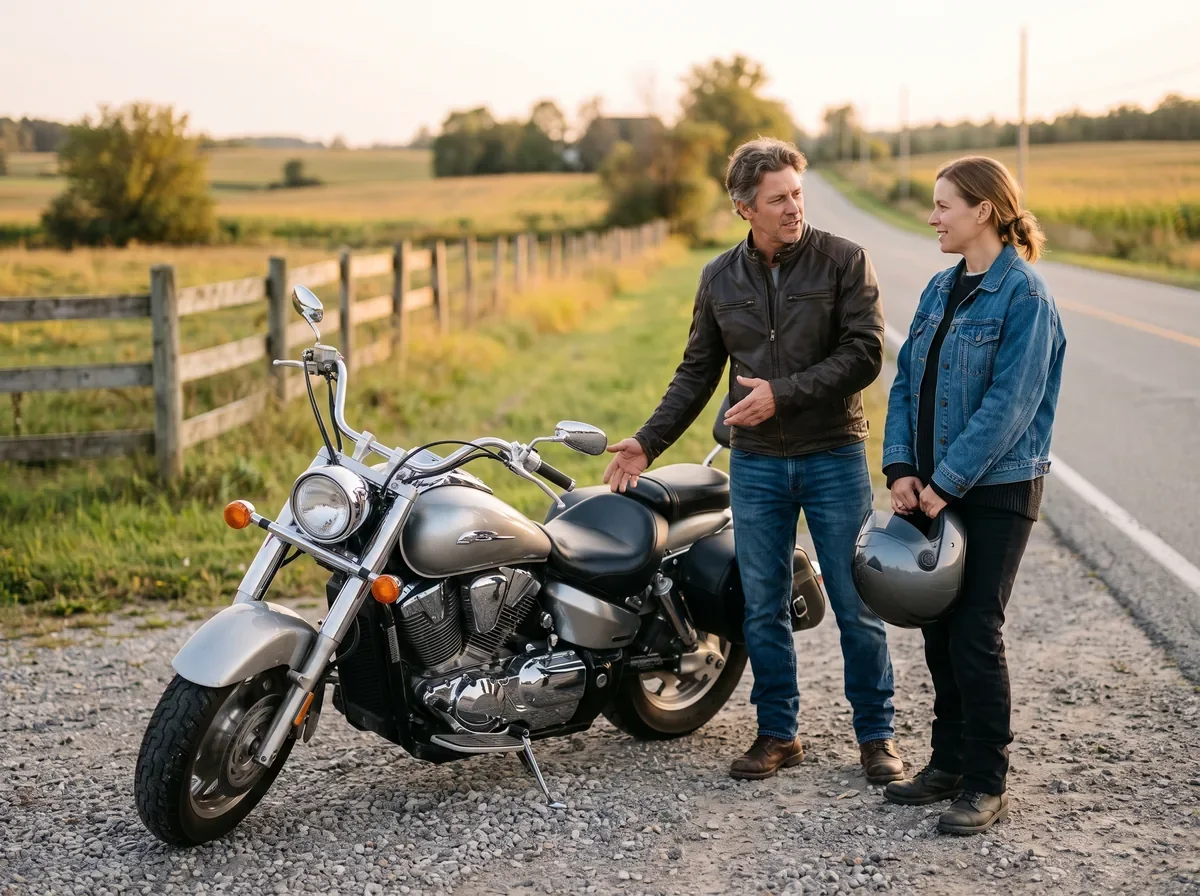
A common question arises regarding whether an injured passenger can sue the driver. While they can in certain situations, the specifics of the claim process and the likelihood of success can depend on numerous elements, including the details of the incident and the particulars of the policy in question. Therefore, riders often find that maintaining a higher liability limit becomes more critical when they regularly carry passengers.
What is the OPCF 44R everyone mentions?
The OPCF 44R endorsement refers to family protection coverage, a standard optional coverage available in Ontario. It is designed to provide support when a rider or family member is injured in an accident caused by an at-fault driver with lower liability coverage than the policyholder. Although it is not directly a passenger policy, it pertains to family passengers, making it relevant in conversations about passenger coverage.
For clarity on what is covered under OPCF 44R, who qualifies as a family member, and how it interacts with other policy types, discussion with a broker is essential. Familiarizing oneself with the exhaustive list of endorsements, including common ones, can inform crucial questions to pose during discussions.
Does carrying a passenger change my premium?
The impact of carrying a passenger on insurance premiums is not fixed and can vary by insurer. Typically, higher liability limits or modifications made to the motorcycle to accommodate additional passengers may influence the cost. Items such as backrests and enhanced seating designed for passenger comfort can also play a role in premium adjustment.
Since there isn't a universal rule for how these factors affect rates, engaging with an insurance broker is advisable to understand the specifics relative to individual circumstances. Seasoned brokers can provide real quotes based on the actual motorcycle rather than hypothetical scenarios.
What should I tell my passenger before we leave?
Before heading out, it is crucial for riders to communicate essential instructions to their passengers. The Ministry of Transportation recommends several best practices: passengers should wait until the engine is running to mount the bike, sit close to the rider without encroaching on space, maintain a grip on the rider, keep both feet on the pegs, and lean in sync with the motorcycle.
Additionally, riders should adjust their motorcycle settings to accommodate the passenger's weight and ensure safe operation, taking extra care with pre-ride checks. Riders must be conscious of the altered dynamics a passenger introduces; the general rule is that an increase in weight may slow down response times.
This article aims to provide general guidance and is not a substitute for individual insurance or legal advice. Riders should critically assess their policies and seek consultations with licensed brokers to delve deeper into their specific coverage issues. Interested riders can explore additional resources regarding basic insurance needs, tips for passenger etiquette, and common mistakes to avoid when insuring motorcycles.
If you have more questions about motorcycle passenger insurance or any related topic, consult with an insurance broker who can help clarify uncertainties and ensure your coverage meets your needs before you ride with a passenger.


