The cruiser motorcycle lifestyle offers a unique community focused on the joy of riding and camaraderie, challenging the myths often associated with it.
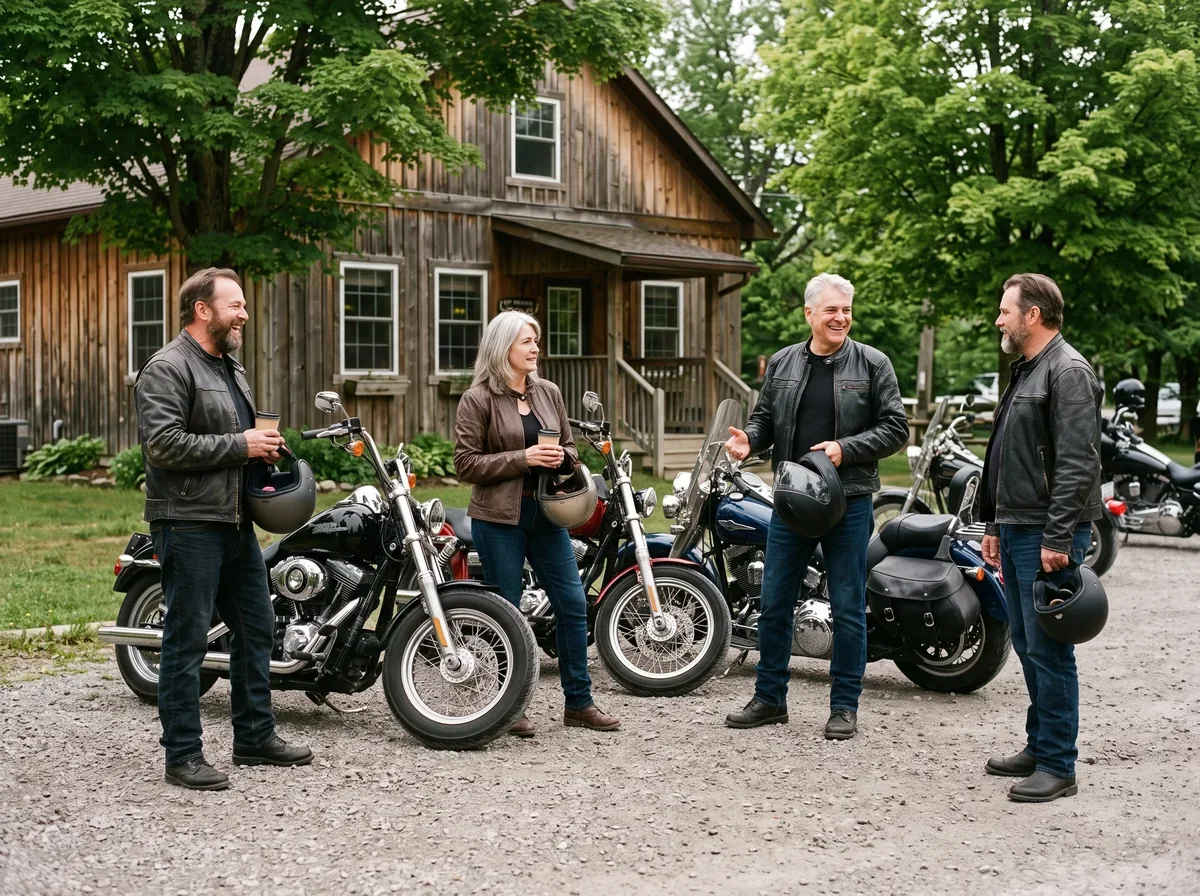
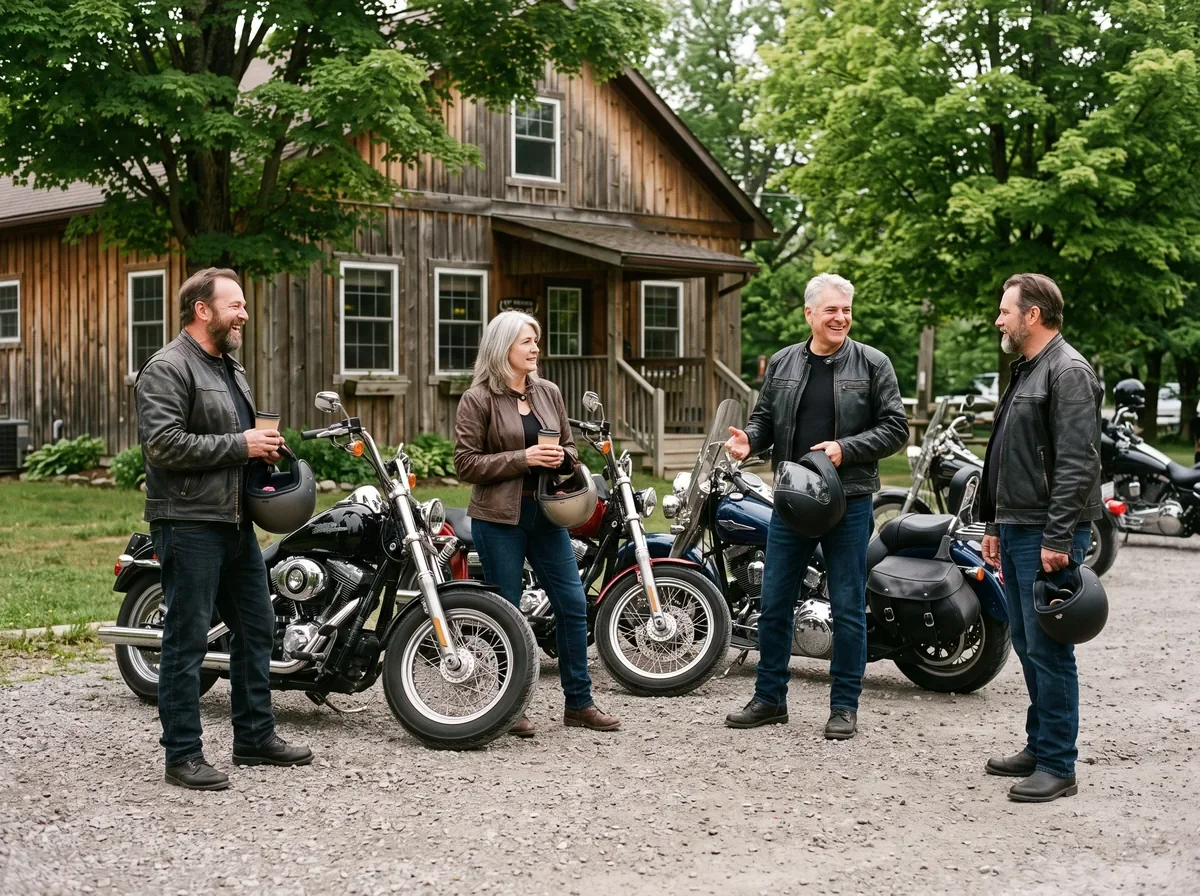
The common stereotype suggests that cruiser motorcycle riders are a wild bunch, defined by loud bikes, a rebellious spirit, and a nonchalant culture. However, spend a Sunday morning at any coffee shop along the popular routes and you'll see a different story. The crowd is largely made up of riders in their forties, fifties, and sixties, who engage in conversation about family, motorcycles' technical aspects, and local road conditions, often while sipping coffee outside a quaint café. Many riders have their Ontario motorcycle insurance along with home and auto coverage through the same broker. This representation of the cruiser lifestyle exists, but it diverges significantly from the Hollywood portrayal.
The Myth of the Cruiser Lifestyle
A prevalent notion claims that cruiser riders form a rebellious tribe; their bikes merely serve as costumes. While this narrative might hold true for a niche group at a certain time, it overlooks the current demographic that purchases these bikes and their reasons for doing so. The real essence of the cruiser experience is best observed not in movies but in the parking lots of coffee shops every Sunday morning.
The Reality of the Cruiser Motorcycle Lifestyle
Embracing a Slower Pace
Cruisers are designed for comfort, built low and long, allowing riders to sit in the bike rather than on it. The culture surrounding cruiser motorcycles emphasizes a leisurely pace; the significance lies in the journey, not just the destination. Riders typically organize their experiences around scenic routes with stops, focusing on enjoyment rather than competitiveness.
A Social Experience Without the Pressure of Clubs
Unlike traditional motorcycle clubs that require patches and memberships, cruiser riders in Ontario often belong to a casual network of fellow enthusiasts. This includes small groups of friends who ride weekly, dealer-organized rides, and charity events. National brands like Harley-Davidson and Indian Motorcycle facilitate community through their owner groups, which aim at fostering connections among enthusiasts rather than establishing exclusive biker gangs.
The Simple Wave
The gesture of waving with two fingers from the handlebar to an oncoming rider reflects the camaraderie amongst those on cruisers. It’s an unspoken acknowledgement of shared enjoyment and the embracing of a relaxed riding lifestyle.
A Hobby Beyond Riding
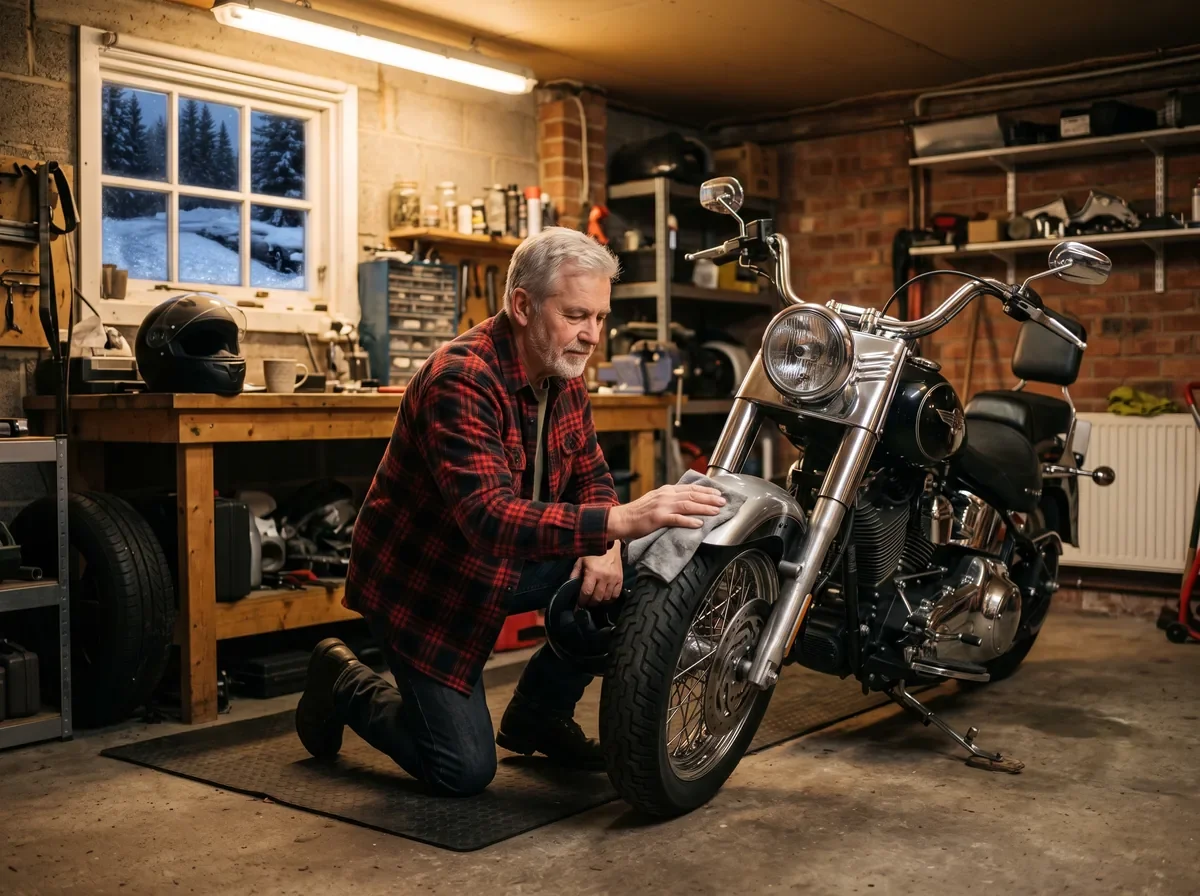
Often, the relationship a cruiser rider has with their bike extends beyond mere riding. If asked about their evening activities, many will reveal they spent time in their garage, tending to their motorcycle. This might not involve mechanical work; it includes activities like cleaning the bike or simply enjoying its presence. The motorcycle becomes a cherished hobby in itself, with a community emerging around this aspect of ownership.
Interestingly, one of Ontario's most renowned cruiser gatherings—the Friday the 13th event in Port Dover—began informally over drinks with a group of friends in 1981. Nearly four decades later, it still embodies that spirit of friendship while welcoming a growing number of participants.
What Cruiser Riders Actually Engage In
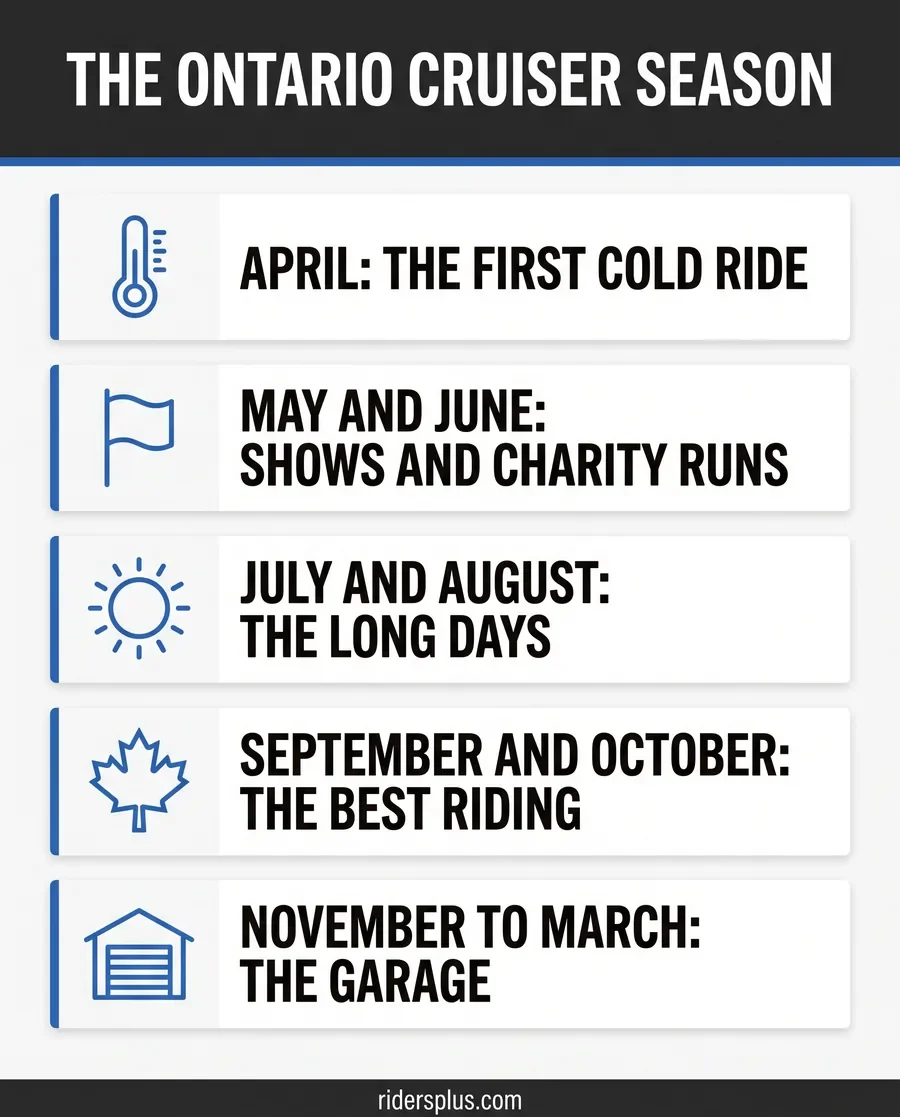
The cruiser motorcycle lifestyle in Ontario follows a familiar seasonal schedule:
- April: The First Ride. It typically features chilly conditions, but riders are eager to get their bikes out of storage for a relaxed first ride around the neighborhood.
- May and June: Show Season and Charity Rides. The calendar fills with a multitude of motorcycle shows and charity rides, pivotal events during the warmer months.
- July and August: The Summer Adventures. Riders enjoy extended day trips to scenic areas or participate in major events like Friday the 13th, should the calendar align.
- September and October: Peak Riding Season. The cooler air and vibrant autumn colors present ideal riding conditions, leading to friendly debates on when to store bikes for the winter.
- November to March: Garage Time. During the colder months, bikes are stored and maintained, while enthusiasts prepare for the next riding season by attending winter motorcycle shows and exhibitions.
This annual routine resonates with riders not just in Ontario but in neighboring regions, with similar schedules adjusted for local weather patterns.
The Unsung Challenges of Riding
It’s essential to acknowledge truths that the stereotype gets right but glosses over. Two particularly troubling behaviors can have detrimental effects on the cruiser lifestyle.
Loud Pipes: While often a badge of pride, loud motorcycle exhausts can create friction with neighbors and lead to municipal bylaws against them. Many seasoned riders opt for quieter bikes, often paired with a coffee instead of an alcoholic drink during stops, recognizing the correlation between drinking and potential accidents.
Rider Age and Skill Development: As riders age, they must confront the reality that skills may decline over time. Engaging in advanced riding courses and practicing skills regularly becomes vital for those who wish to continue riding well into their golden years.
The Verdict on Cruiser Riders
In reality, cruiser motorcycle riders are indeed a distinct group, yet they defy the common stereotypes. This community is characterized by a slower pace, a diverse age range, a strong sense of camaraderie, and an emphasis on the joy of riding. Whether it's sharing a wave on a back road, gathering for charity runs, or simply enjoying a quiet evening in the garage, the bike serves as a catalyst for these rich experiences, not merely a costume.
Riders Plus has been supporting Ontario based riders for over 25 years, becoming an integral part of the community, which allows motorcycle owners to enjoy their winter garage time without insurance worries. Obtaining a motorcycle insurance quote is simple and takes only a few minutes, ensuring policyholders can enjoy their lifestyle year after year.
Important Reminder: The information provided in this article is intended to be general and not professional advice. As conditions and regulations change, always confirm pertinent details with the relevant authorities. Riders Plus is not liable for decisions made based solely on this article.
Frequently Asked Questions
Do I need to join a club to belong to the cruiser lifestyle?
No, most cruiser riders in Ontario do not join formal clubs. The social aspect typically includes informal gatherings, small riding groups, and community events organized by motorcycle dealers.
Is the cruiser lifestyle male-dominated?
No, it has historically included women riders as well. The community is becoming increasingly diverse, with women actively participating in all aspects of the cruiser culture.
How does the cruiser lifestyle affect insurance premiums?
While the lifestyle itself doesn't influence insurance directly, how a motorcycle is utilized and stored can. Sharing updates with your broker about usage and modifications can help ensure optimal coverage and pricing.
What's the best way to get started with cruiser riding in Ontario?
Begin by obtaining the appropriate license and completing a rider training program. Choose a bike that fits you comfortably, and don’t hesitate to visit local coffee stops to meet fellow riders.
Explore more:
For further information, view the full article on the Riders Plus Insurance website.


