Taking a dirt riding course can enhance your motorcycle skills significantly, making you a safer and more confident rider on and off-road.
This summer, consider enhancing your motorcycle skills by enrolling in a dirt riding course.
The adventure motorcycle market is burgeoning, appealing to riders who want the versatility of an SUV in bike form. These motorcycles are built for comfort and capability, featuring good ergonomics, ample ground clearance, and sturdy suspension. With the addition of panniers, they allow riders to explore terrains typically accessible only by 4x4 vehicles. An entire world of wilderness awaits, but preparation is essential before embarking on off-road adventures.
Even seasoned street riders can find themselves challenged when riding off the asphalt. Off-road riding requires specific techniques and skills, making it crucial to receive training at a reputable school. A structured course can prepare you for challenging dirt conditions and improve your riding in various slippery situations, regardless of the bike you own.
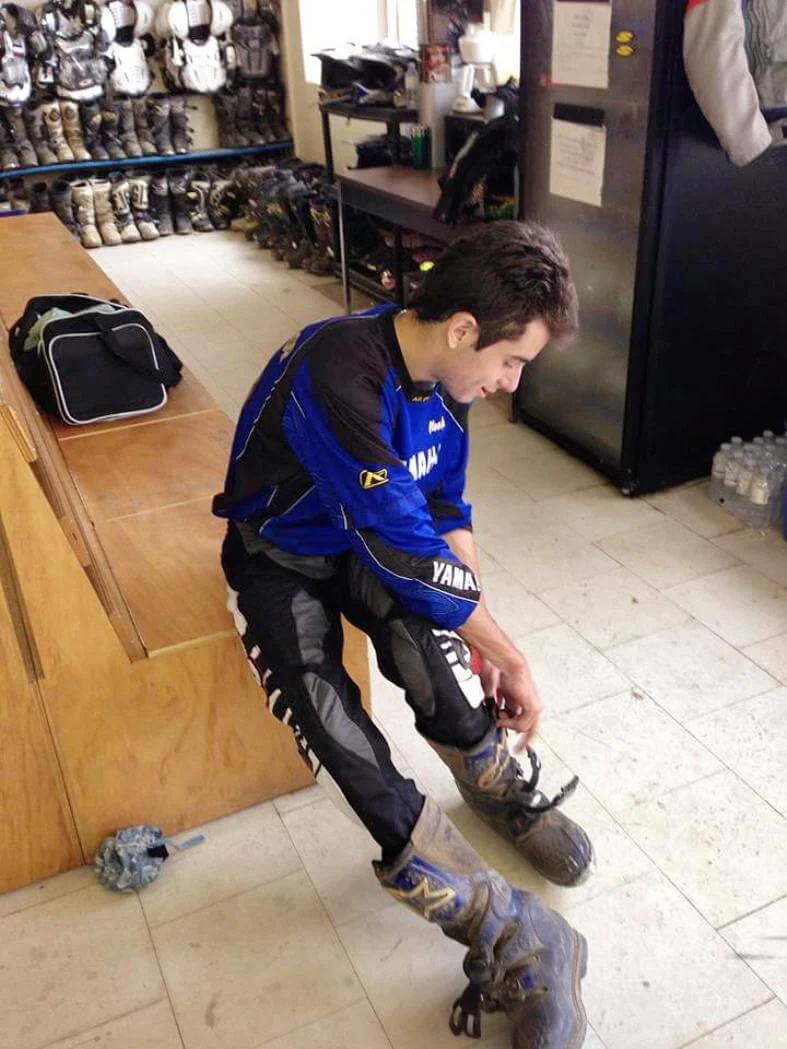
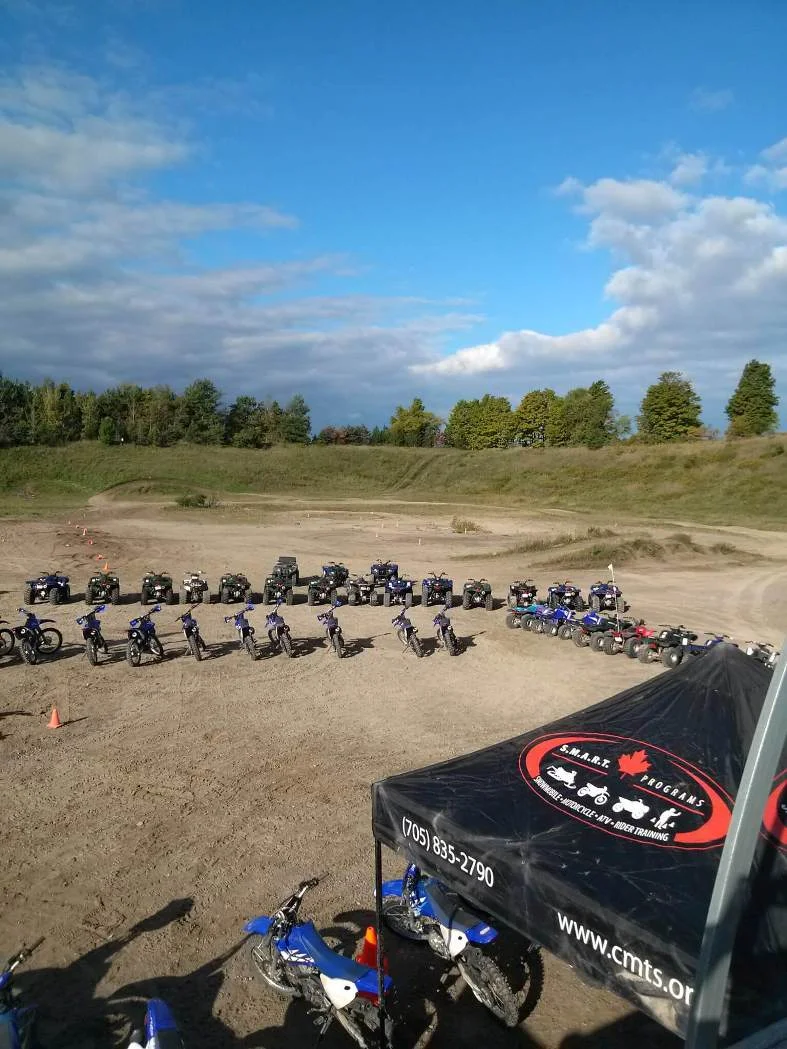
For an enriching learning experience, I attended SMART Riding Adventures located at Horseshoe Valley Resort in Barrie, Ontario. The site boasts a spacious area, nearby hills, and a network of trails perfect for training. Before hitting the trails, I suited up with protective gear, including MX boots and roost protectors supplied by SMART, ensuring safety throughout the course.
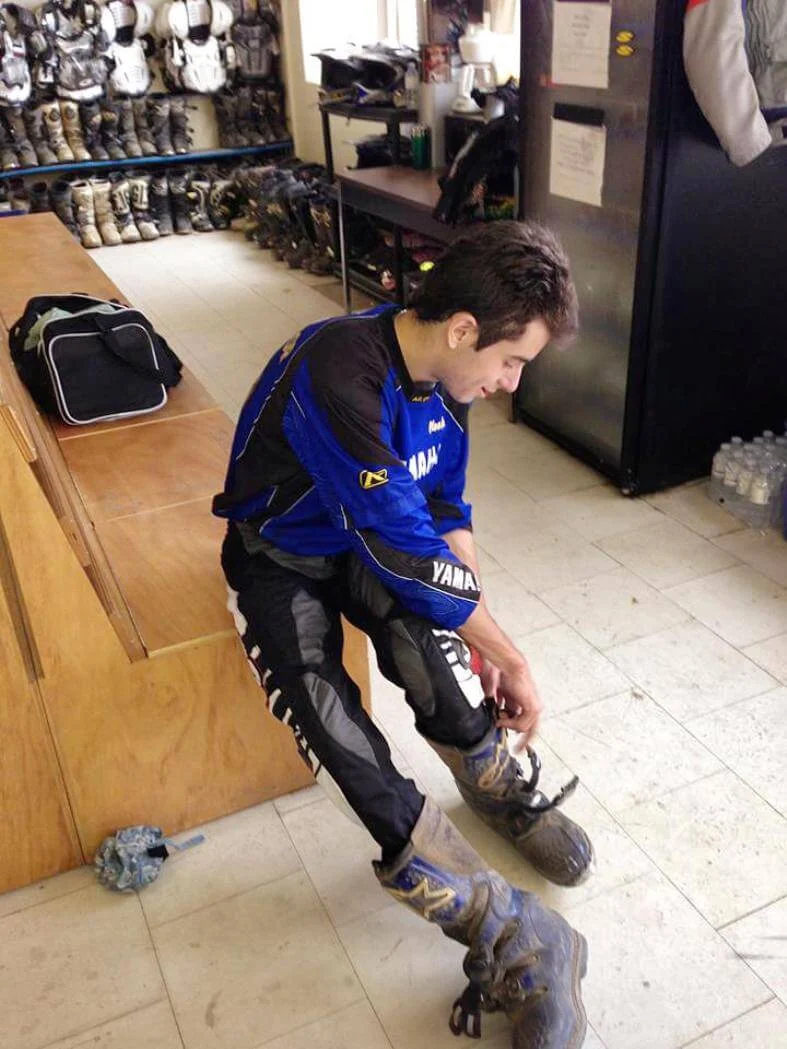
We began the course on Yamaha 230 dirt bikes, focusing on foundational techniques such as body positioning, pegs weighting, hill climbing, and descending. Starting on smaller, manageable bikes made it easier to grasp concepts effectively. Our instructor, Graham, was attentive and provided individualized feedback, ensuring each participant learned at their own pace.
Once we felt comfortable with the basics, we moved onto the trails, practicing our skills in a more dynamic environment. Graham guided us through single-track and double-track paths while teaching us techniques for maneuvering around obstacles—including how to cross logs. The lightweight dirt bikes, equipped with aggressive knobby tires, helped build confidence as we navigated through the course.
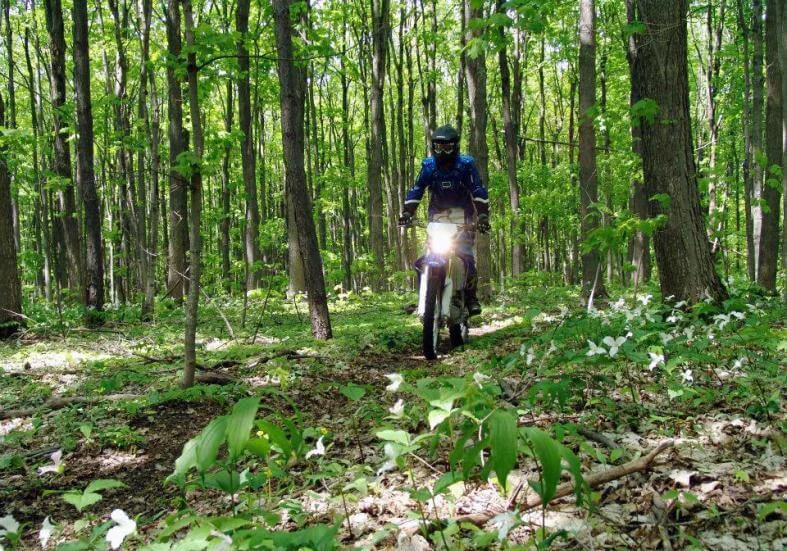
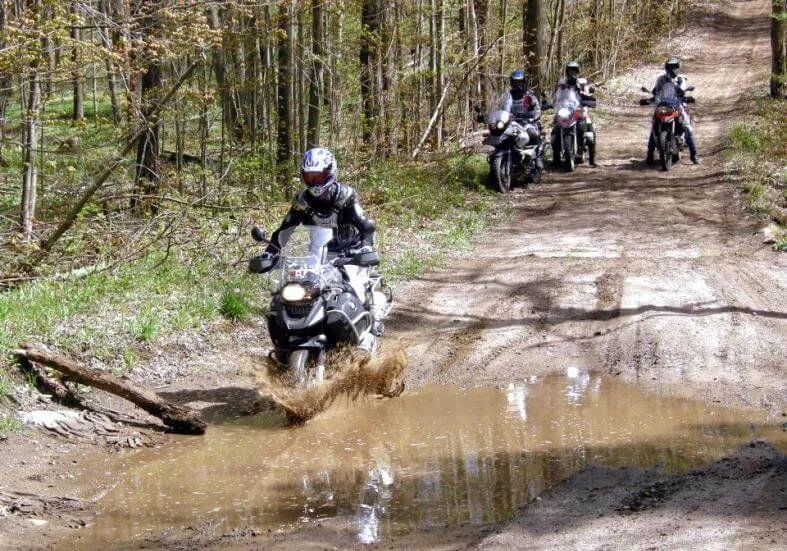
Before lunch, we faced a more demanding obstacle: a wet and muddy section laden with deep ruts caused by a larger vehicle. This challenge combined the complexity of a water crossing with the need to manage rutted terrain. Graham demonstrated three techniques to tackle this obstacle—paddling, sitting, and standing—allowing us to select the method that felt most comfortable. The inclusive culture at SMART minimized pressure and emphasized safety, allowing all participants to complete the challenge successfully. After overcoming that hurdle, we broke for lunch in high spirits, reflecting on the session's success and fun.
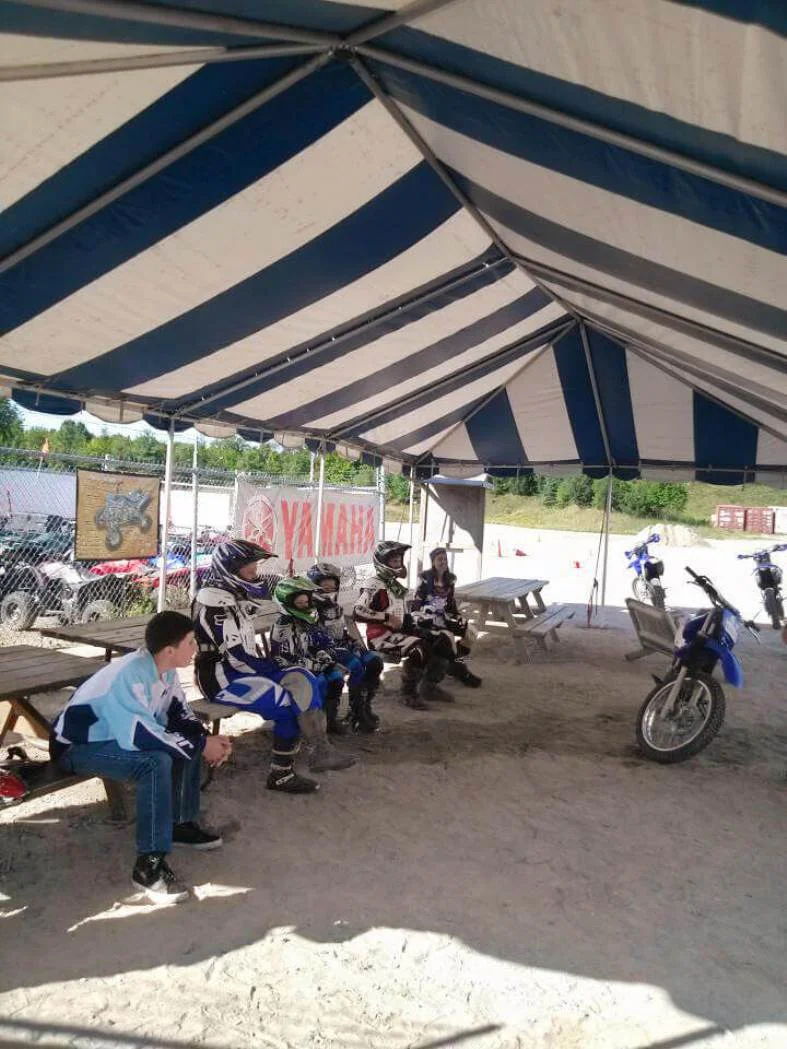
Lunch was held under a large canopy offering shade, situated in the main area back at the resort. SMART partners with Horseshoe Valley Resort to provide discounted accommodation for out-of-town guests, along with a convenient lunch delivery service. Midway through our meal, the head instructor and owner, Clinton Smout, joined us. A well-known figure in the riding community due to his engaging YouTube content, Clinton shared additional tips and insights, reinforcing the supportive nature of the course.
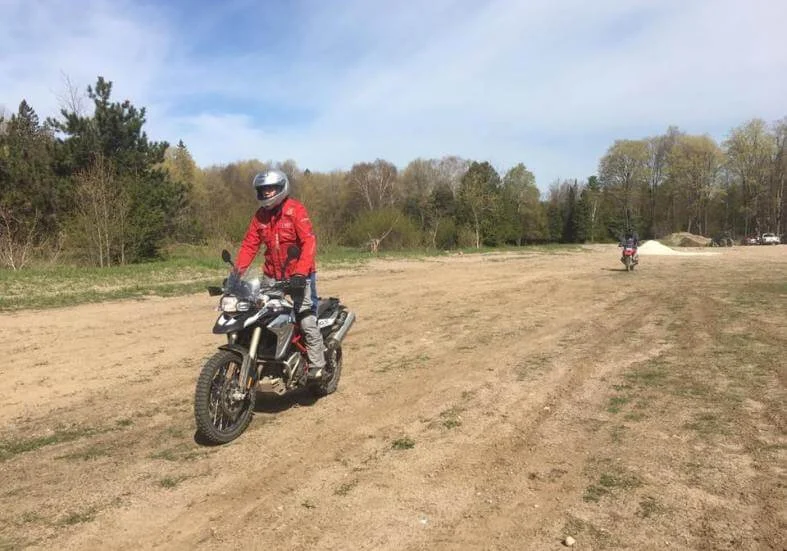
In the afternoon, I participated in a private class on my own adventure bike, paired with Emily, one of the instructors. Taking laps around the training circuit, I quickly recognized that the skills I acquired on the dirt bike seamlessly transferred to my 650 adventure bike. I was applying the same techniques for navigating hills, descents, and jumps.
Later, Emily led me to a wider section of trails, challenging my abilities with large whoops and sharp corners. Despite having only 80/20 tires on my bike, I approached a corner too aggressively, leading to a fall. Thankfully, my protective gear held strong. Once the bike was upright, Emily advised me to manage my pressure on the brake lever, teaching me how to apply brakes on gravel surfaces effectively.
We practiced braking techniques known as Hook Turns, which involve locking the rear brake while slightly turning the handlebars to create a controlled slide. This technique is often unfamiliar to street riders, so honing this skill helped boost my confidence in off-road braking, especially on slick surfaces.
In our final segment, Emily taught me how to manage unexpected situations when descending a hill—a scenario I was sure would happen someday. She demonstrated a counter-intuitive technique that reassured me. Practicing this in a safe setting prepared me for any surprises on the trail.
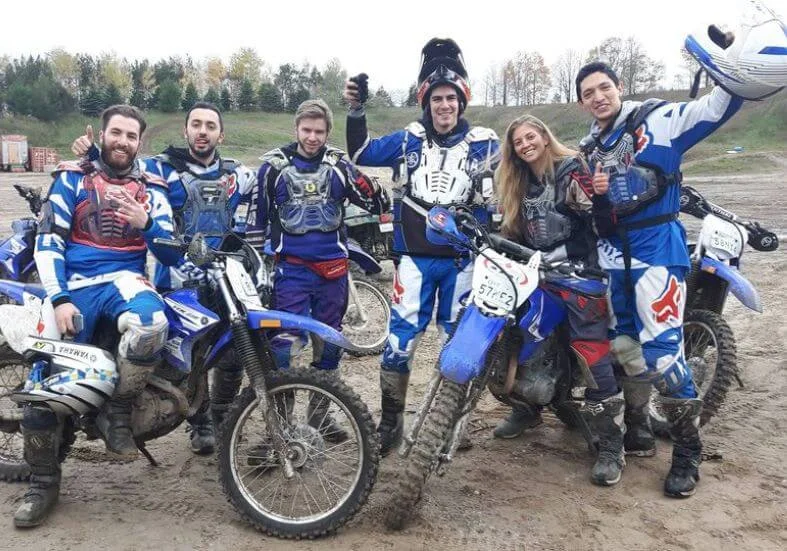
This training experience highlighted the truth in the saying: it's not just about the bike but the rider as well. As summer approaches and life begins returning to normal, investing in your skills through a professional course might be the best way to enhance your riding experience. No matter your bike type—be it an adventure motorcycle, sport bike, or cruiser—gaining more knowledge about low-traction conditions will ultimately make you a safer and more capable rider. Plus, the excitement and fun of the training are unbeatable!
The post Upgrade Your Motorcycle Skills The SMART Way appeared first on Riders Plus Insurance.


