Deciding whether to purchase a new or used motorcycle? This guide explores the advantages, risks, and essential tips to make an informed choice.

As the new riding season kicks off, the prospect of buying a motorcycle can be thrilling yet daunting. Whether you’re a first-time buyer or looking for an upgrade, deciding between a new and a used bike is one of the most critical choices you’ll face. Each option has its distinct advantages and drawbacks, and understanding these can help you make a choice that aligns with your needs and budget.
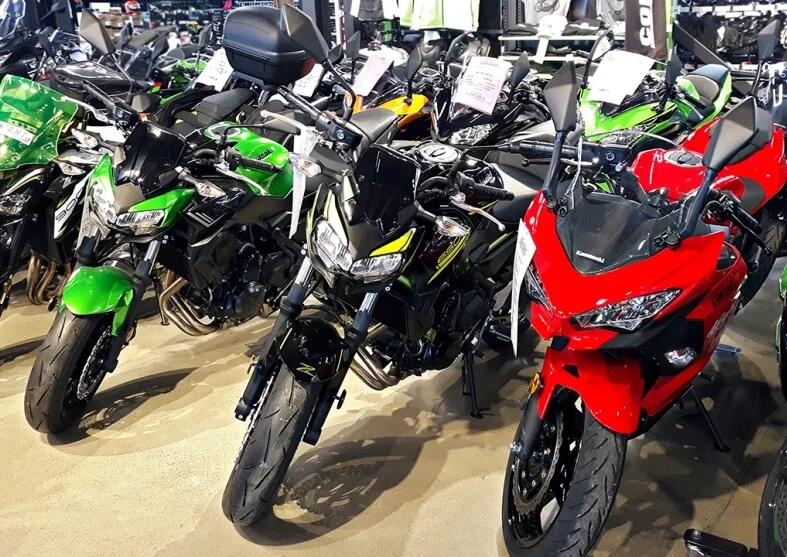
Advantages of Buying New
Purchasing a new motorcycle is appealing for many reasons. One of the primary benefits is the peace of mind that comes with a brand-new machine. You can trust that the bike has not been subjected to hard riding or poor maintenance practices. New motorcycles also come with a full manufacturer’s warranty, which includes roadside assistance for at least a year—a significant assurance if you encounter an issue.

However, owning a new bike also means committing to regular maintenance at authorized service centers, and these services can be costly. It’s essential to factor in these expenses; for instance, some owners report service costs like a $500 oil change. Before signing on the dotted line, be sure to research and understand what maintenance tasks you can safely do yourself, and what to expect from your dealer.
Another perk of buying new is access to the latest technology. With advancements in motorcycle safety features—like cornering ABS, adaptive lighting, and electronic tire pressure monitors—riders can benefit from enhanced safety and performance that wasn't available just a few years ago. If staying at the forefront of motorcycle technology is a priority for you, a new bike is the way to go.
Advantages of Buying Used
On the other hand, buying a used motorcycle can yield significant savings. Motorcycles depreciate most steeply in the first few years. Therefore, opting for a model that’s a few years old can help you bypass that depreciation curve. However, while the price is lower, so are the assurances against potential issues down the road.
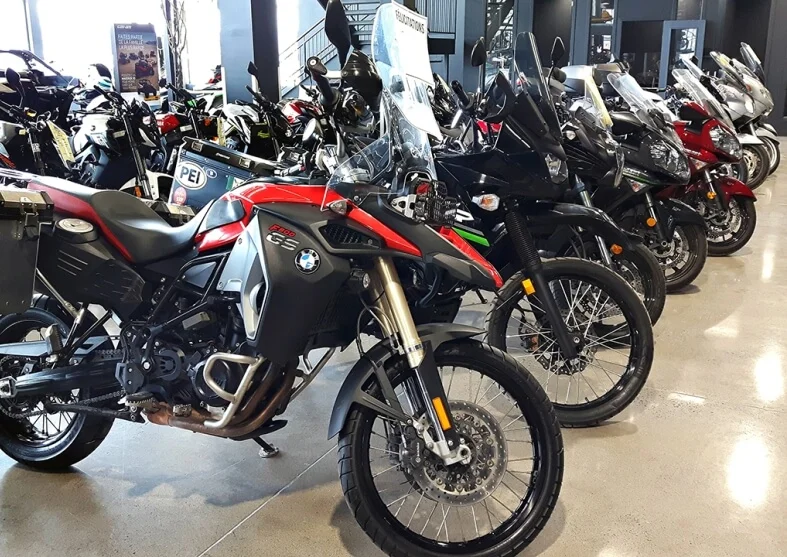
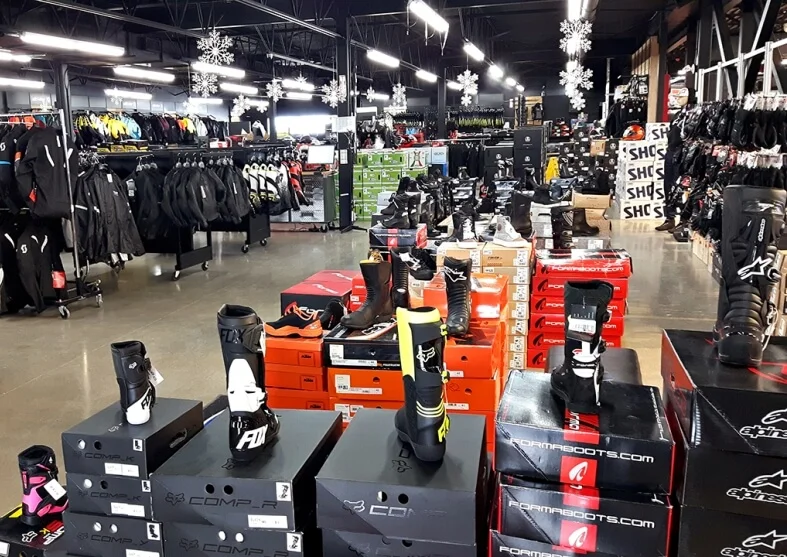
If you decide to purchase from a reputable dealer, many provide a Good Working Order warranty, typically valid for one to two months following the sale. This limited warranty can provide a cushion against unexpected repairs. In some regions, like Quebec, there are additional warranty protections under the Reasonable Lifetime Warranty. If you're lucky, a remaining portion of the original manufacturer warranty might also be transferable to you.
Buying from a private seller poses a greater risk since you purchase the bike “as is” without warranty. This makes thorough inspection critical. Before finalizing the deal, arrange for a trusted mechanic to inspect the bike. A small fee for this inspection can save you from costly surprises after the sale. If a seller is unwilling to facilitate an inspection, that’s a red flag and often a sign to walk away.
Evaluating the Seller
Whether you're buying new or used, evaluating the seller is just as important as assessing the bike itself. When purchasing new, building a rapport with a trustworthy dealer is vital, as you’ll likely return for service and parts in the future. Take note of the staff’s demeanor and expertise—are they knowledgeable and transparent? A dealer’s willingness to offer fair pricing on accessories or services can also be a sign of their reliability.
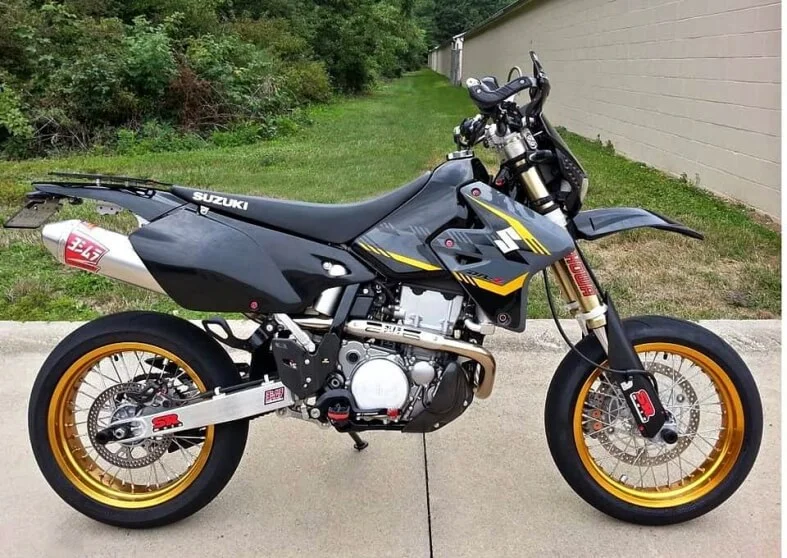
With private sales, the seller's credibility is even more crucial. Start by examining the quality of their advertisement. Are the photos clear and plentiful? Is there a detailed, accurate description of the motorcycle? Trust your instincts; if something feels off about the seller or the deal, it’s wise to reconsider.
Negotiation Essentials
When it comes time to negotiate, it’s essential to know that new motorcycles typically have slim margins, making haggling less effective. Most manufacturers set their prices uniformly across dealerships, prohibiting sales below a minimum suggested retail price (MSRP). However, you may find savings if you consider purchasing a last year's model, which dealers are often keen to sell.
Additionally, be aware of any additional fees such as PDI (Pre-Delivery Inspection) that may be tacked on at the end of a sale. It’s worth discussing these fees, and you might negotiate credit toward accessories or services to offset these costs.
For used bikes, researching the market ahead of time is crucial. Familiarize yourself with the price range for similar models on platforms like Facebook Marketplace or Craigslist. Having this background prepares you for negotiations and helps you recognize if you're getting a fair deal. If you're ready to purchase and have cash in hand, most sellers will be open to letting you take the bike for a test ride.
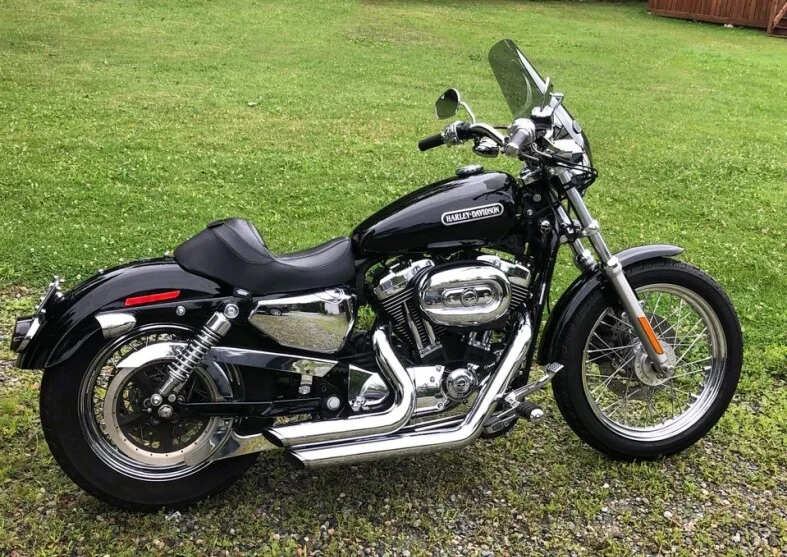
Final Thoughts
Whether opting for a new or used motorcycle, thorough research is crucial before making a purchase. Don’t hesitate to compare dealers and be willing to travel for the best offer. When considering a used motorcycle, take your time, but be prepared to act quickly if you spot the right bike. Lastly, conduct a thorough visual inspection before your test ride or hitting the open road.
The post Buying New or Used? There’s a Lot to Consider. appeared first on Riders Plus Insurance.


