As winter approaches, proper motorcycle storage is crucial to ensure your bike's longevity. Follow these comprehensive steps to protect your ride through the colder months.
The arrival of winter signifies the end of the motorcycle season for many riders, especially in regions like Quebec where road riding wraps up by December 1st. While some bikers can take their last ride until snow covers the ground, all motorcyclists must prepare their bikes for storage to ensure they remain in top shape for the next season. Rather than hastily parking your bike, here are essential steps to protect it from winter's harsh conditions.
Each motorcycle model has its own requirements, and it’s wise to consult your mechanic before using specific products mentioned in this guide.
Start with a Thorough Cleaning
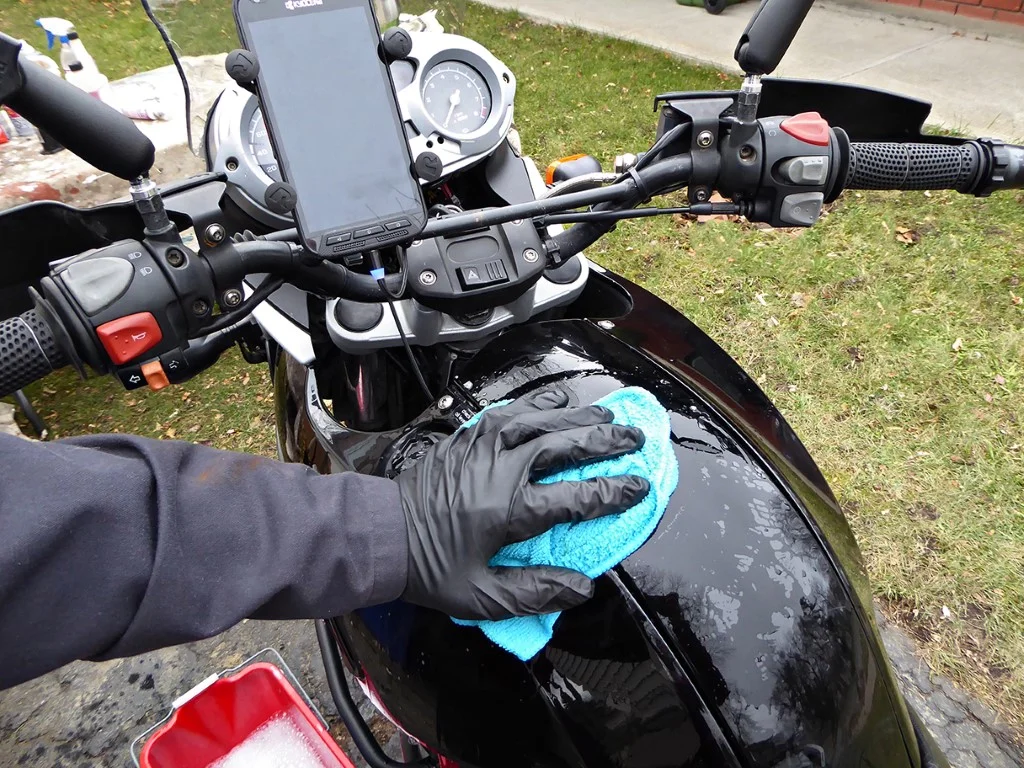
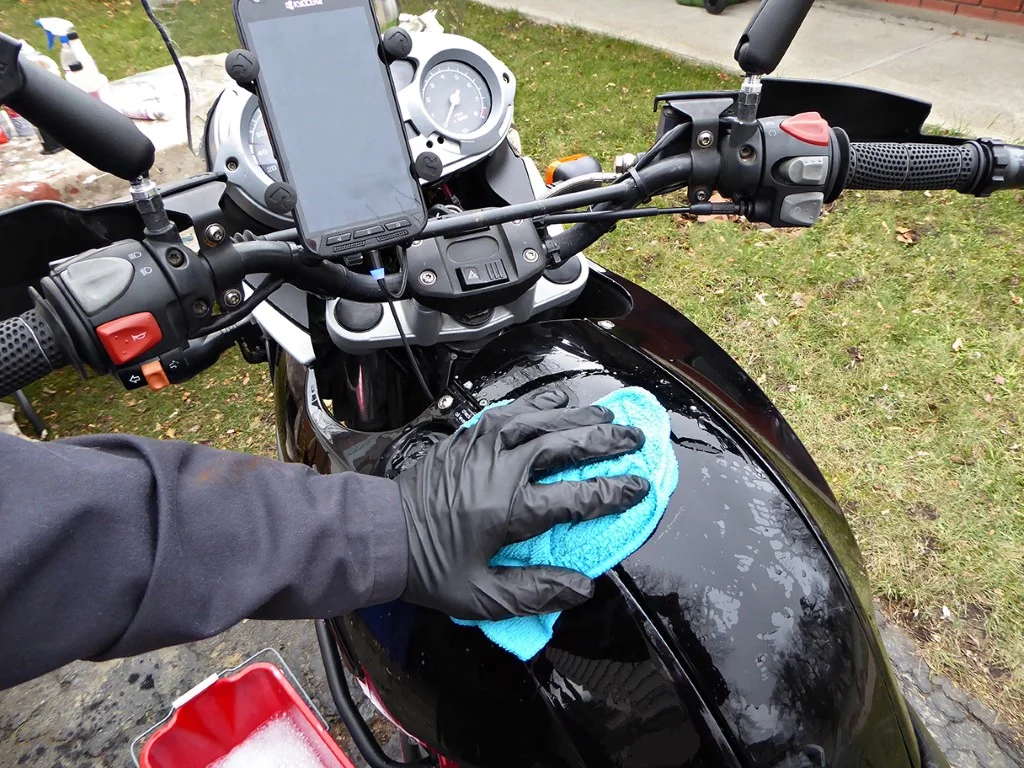
Begin your winter prep with a meticulous cleaning. A clean bike not only looks better but also prevents rust and decay during storage. Use a specialized cleaner like S100 for the engine, which effectively reaches tight spaces. Spray it on and leave it for a few minutes before rinsing off with a high-pressure nozzle. For the plastics, opt for a dedicated car wash soap like Meguiar’s Gold Class.
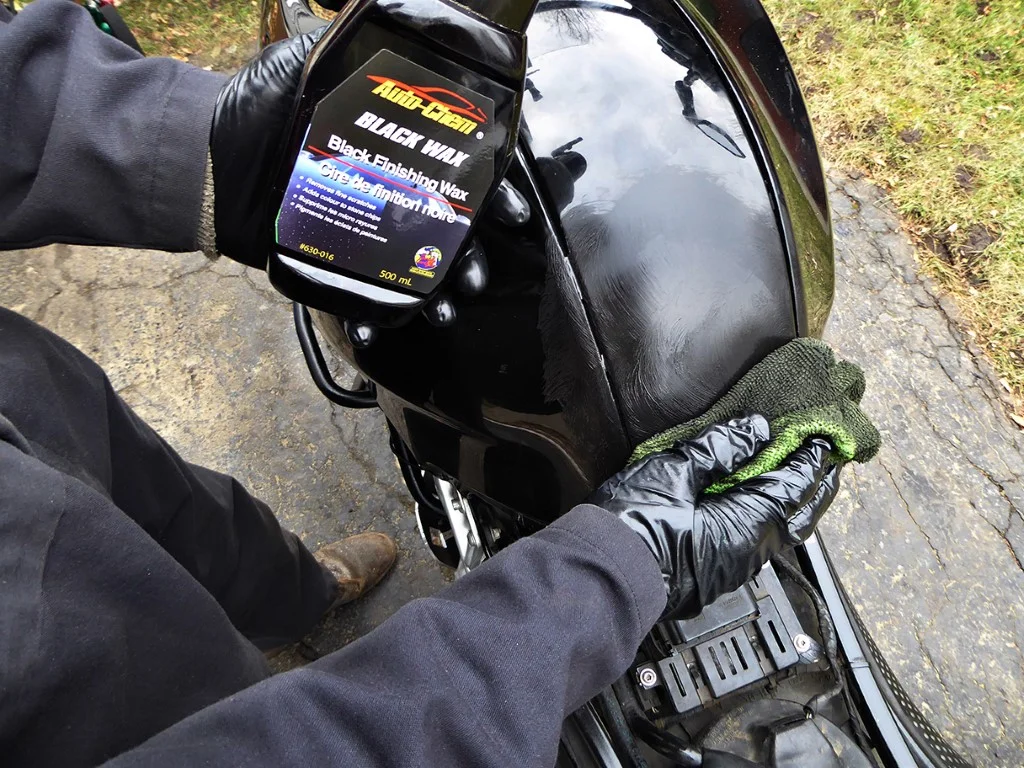
Once the bike sparkles, run it briefly to ensure no water remains, and apply a layer of wax. For added protection against winter's elements, consider leaving the wax on until spring when you can buff it out.
Maintain the Chain
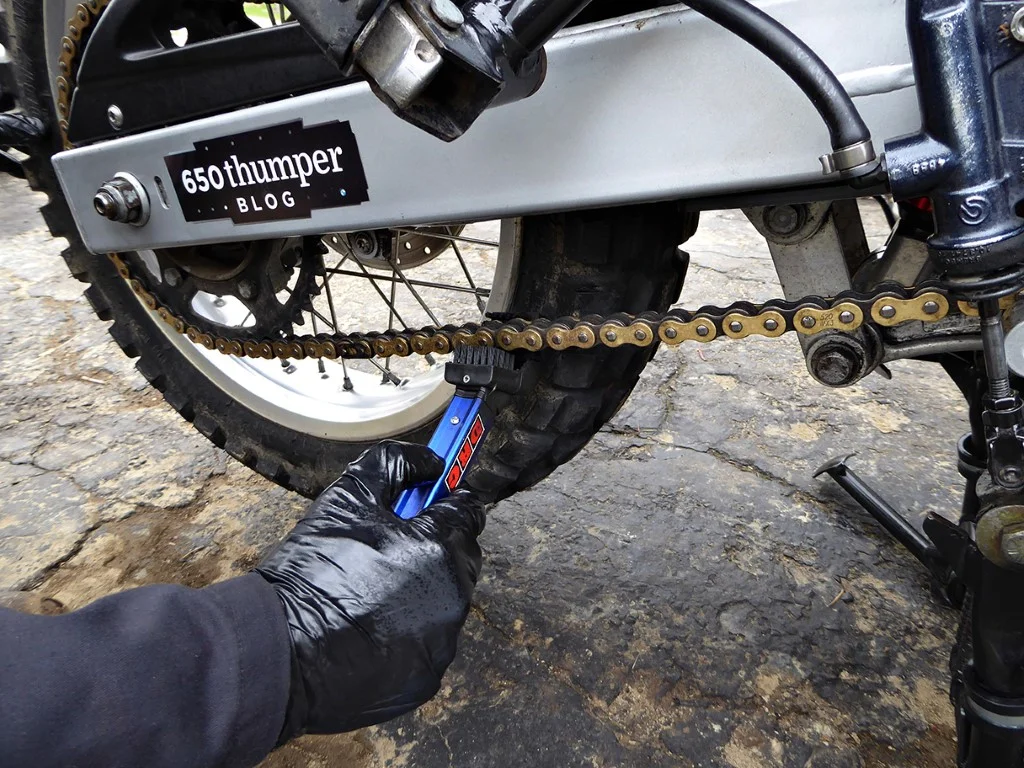
A clean and properly lubricated chain is essential for your motorcycle's performance. Use kerosene in a spray bottle for an economical cleaning method, using a three-sided brush to ensure all areas of the chain are scrubbed down. After cleaning, apply your chosen chain lubricant for the best results. To make sure the lube penetrates thoroughly, it’s advisable to take a short ride to warm up the chain before the final storage.
Fuel Tank Maintenance
To protect the motorcycle's fuel system, fill the gas tank completely and add a quality fuel stabilizer. This step is crucial, particularly for bikes with metal tanks susceptible to rust from condensation. If you can find ethanol-free gas, that's preferable as ethanol can cause issues to carburetors or injectors over time. Websites like pure-gas.org can help locate ethanol-free gas stations in your area. If not available, a good stabilizer mixed at the pump will do the trick.
Oil Change is Crucial
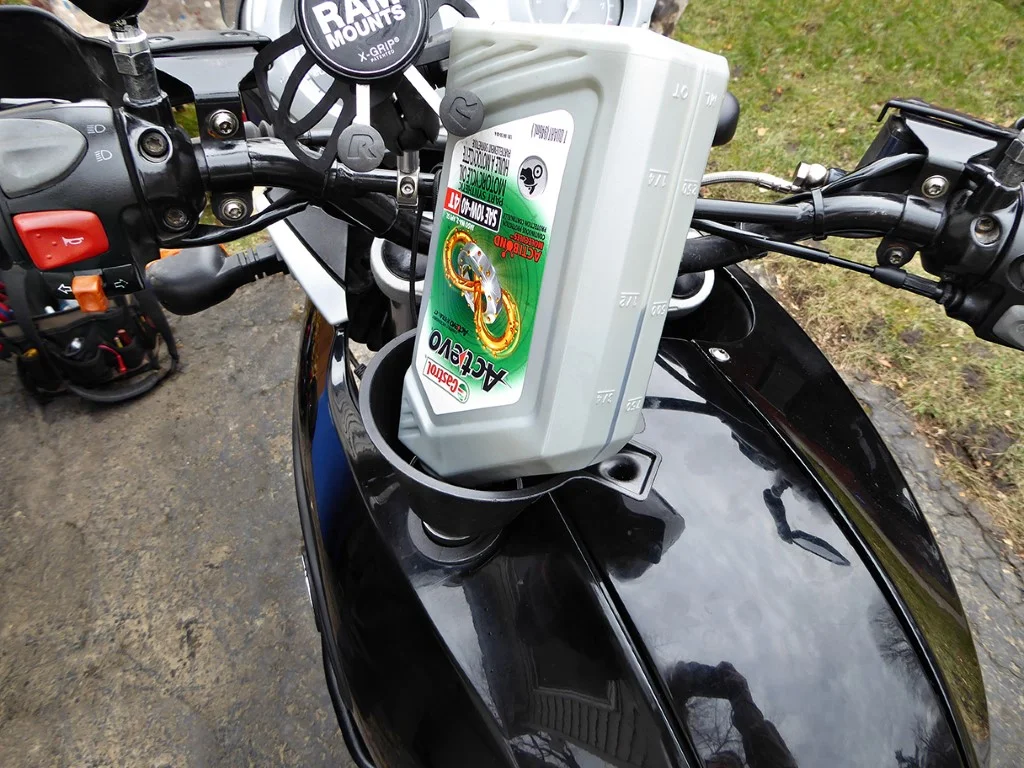
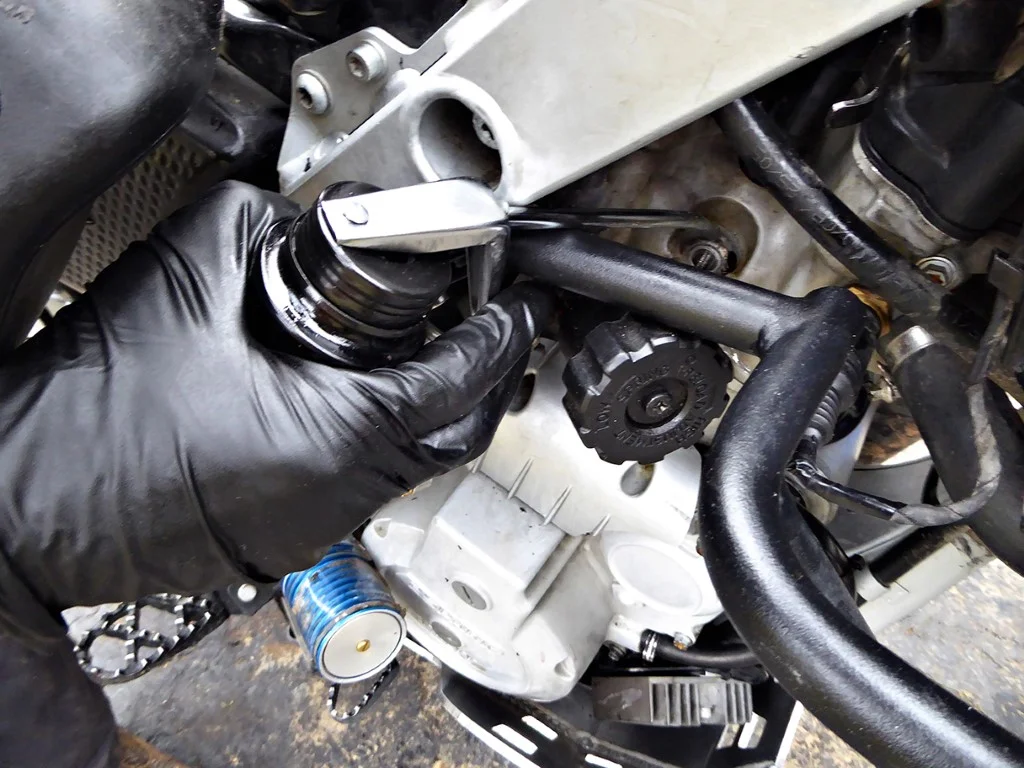
A clean engine is vital for winter storage. Change the oil and filter after a ride while the oil is warm for maximum drainage. This prevents the engine from sitting in dirty oil, which can lead to degradation. Following your service manual for steps will make the process straightforward.
Protect the Piston
To guard against rust in the combustion chamber, consider adding a bit of motor oil inside the cylinder. Remove a spark plug and insert about a tablespoon of oil. To coat the surfaces evenly, turn the rear wheel while in gear—this will ensure that the oil is dispersed properly. Be cautious if you use the starter to turn the engine, as the engine could fire without the spark plug in place. After this preparation, replace the spark plug and torque it appropriately.
Prevent Rust with Anti-Corrosion Products
Applying an anti-corrosion product over the motorcycle is recommended. Avoid spraying directly on plastics, tires, or brakes. A product like ACF-50 works well, having been developed for aerospace applications. Let it sit for a moment to activate, then remove excess. This process provides an added layer of protection that will evaporate upon first use in the spring.
Seal Your Exhaust
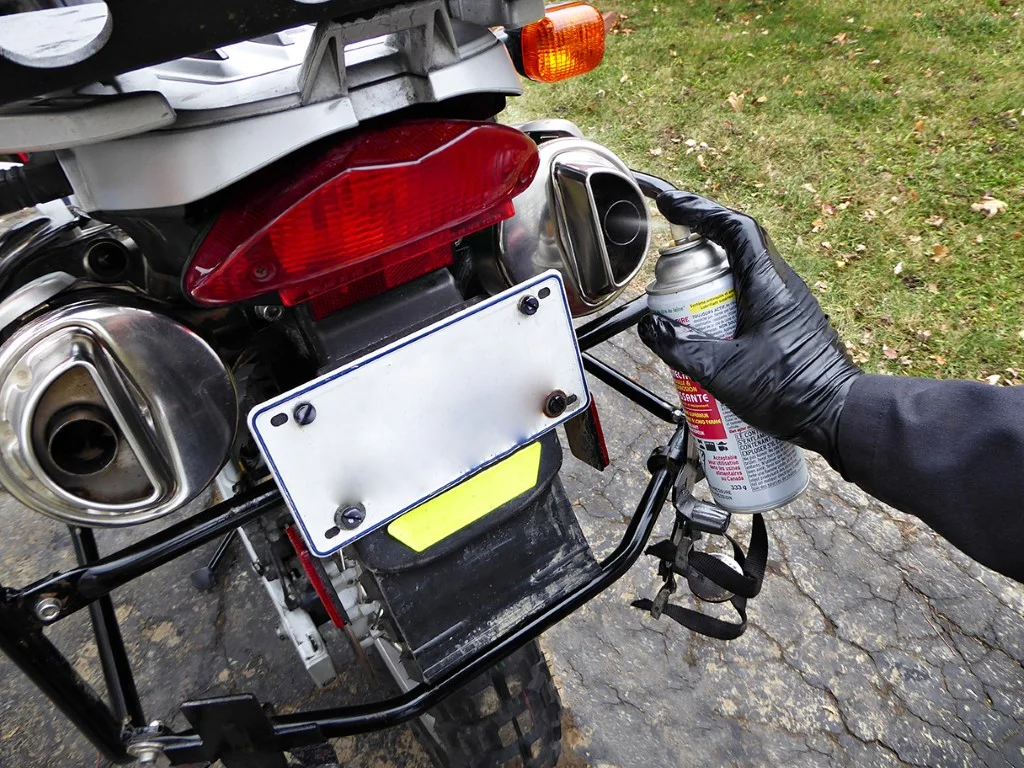
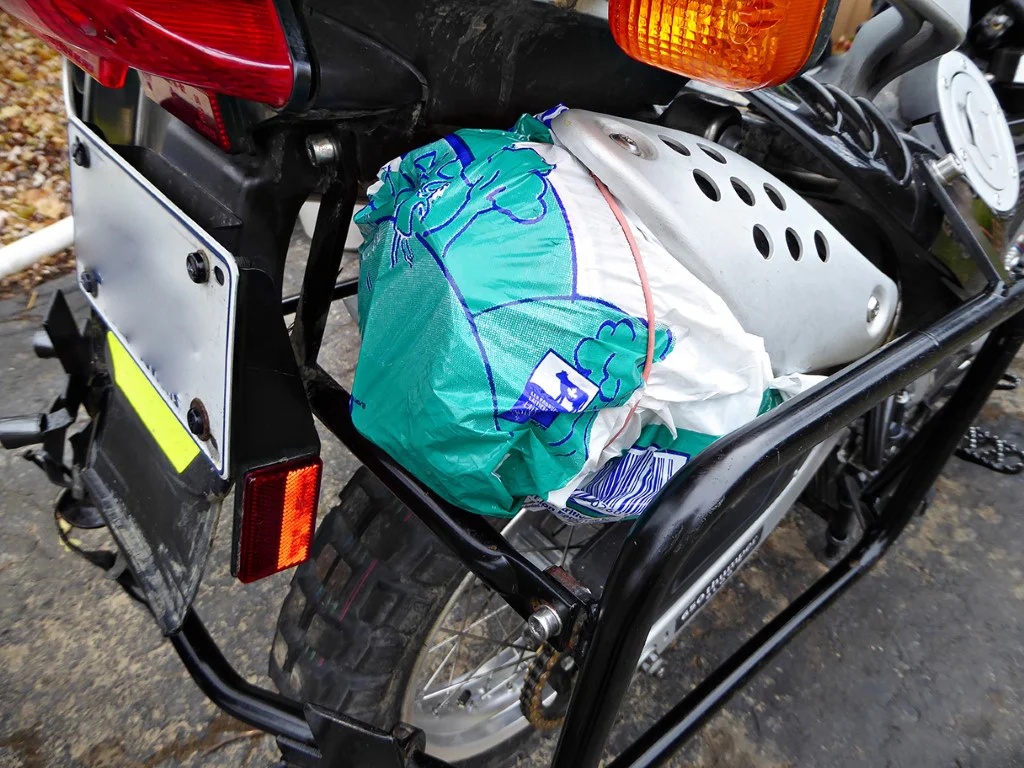
To further protect your bike, spray WD-40 or a similar product into the exhaust system and seal it with a plastic bag secured by a rubber band to deter moisture and pests. Also, consider sealing off any other potential openings that rodents might exploit for nesting, using rags or steel wool as necessary.
Get the Storage Area Ready
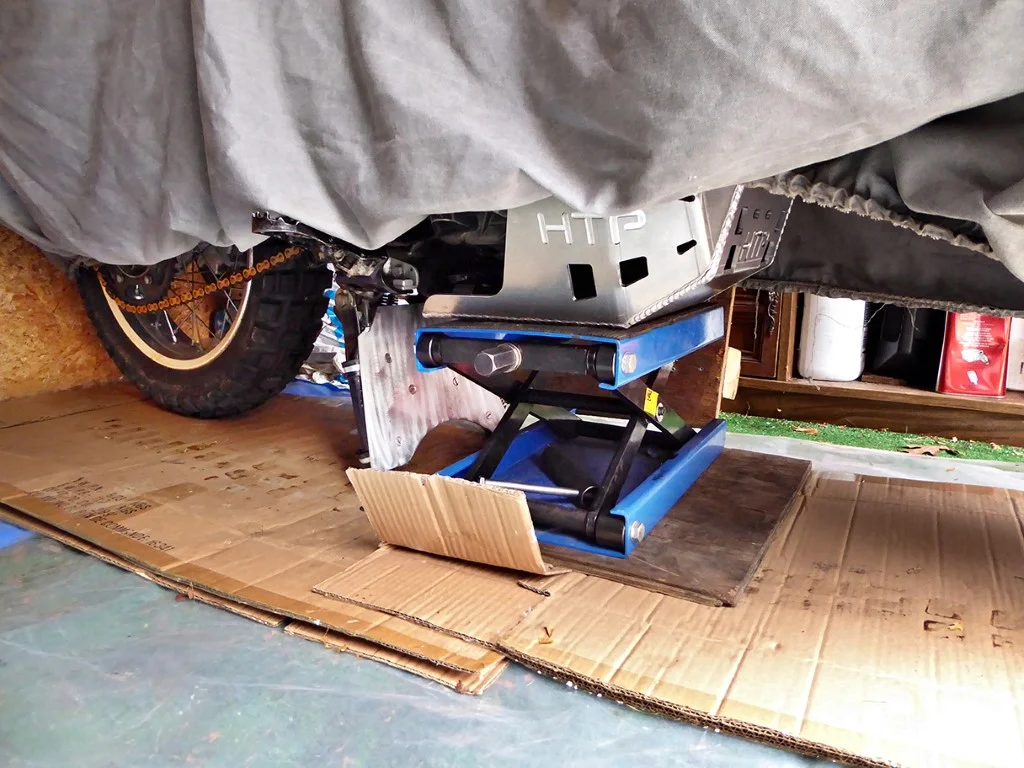
As the season turns, how you store your motorcycle can make all the difference. Lay down a plastic sheet followed by cardboard to block moisture from the ground. Some riders even use low-wattage bulbs to help further decrease humidity during storage. If your bike is kept in a heated space, humidity concerns may be less significant.
Individual battery care is crucial since freezing conditions can crack batteries. It’s best to remove batteries and keep them indoors or use a battery tender to maintain charge levels outside. If the batteries remain in the bike, check them every few weeks, particularly if they aren't lithium.
While modern tires are substantially resistant to flat-spotting, eliminating weight from the tires is still a wise move. Using a stable jack or center stand can help with this. Additionally, lower tire pressure slightly for the winter, remove the saddle to prevent rodent attraction, and cover the bike securely.
Final Touches
After going through these steps, it’s almost time to say farewell to your bike for the winter months. Take a moment to appreciate the adventures you had during riding season, secure in the knowledge that you’ve prepared your bike thoroughly for the next season.
Winterizing Checklist
- Thoroughly clean and wax the bike
- Clean and lubricate the chain
- Add fuel stabilizer and fill the tank
- Change the oil and filter
- Lubricate the piston
- Spray anti-corrosion product on the bike and in the exhaust
- Seal all openings against rodents
- Remove battery and saddle, taking them indoors
- Prepare the storage floor and jack the bike up
- Lower tire pressure and cover the bike
With these winter storage precautions in place, your motorcycle will be well-protected through the colder months, ready for adventure in the spring.


