Oregon is setting the stage for a universal healthcare proposal that could eliminate out-of-pocket costs and inspire similar efforts in other states.
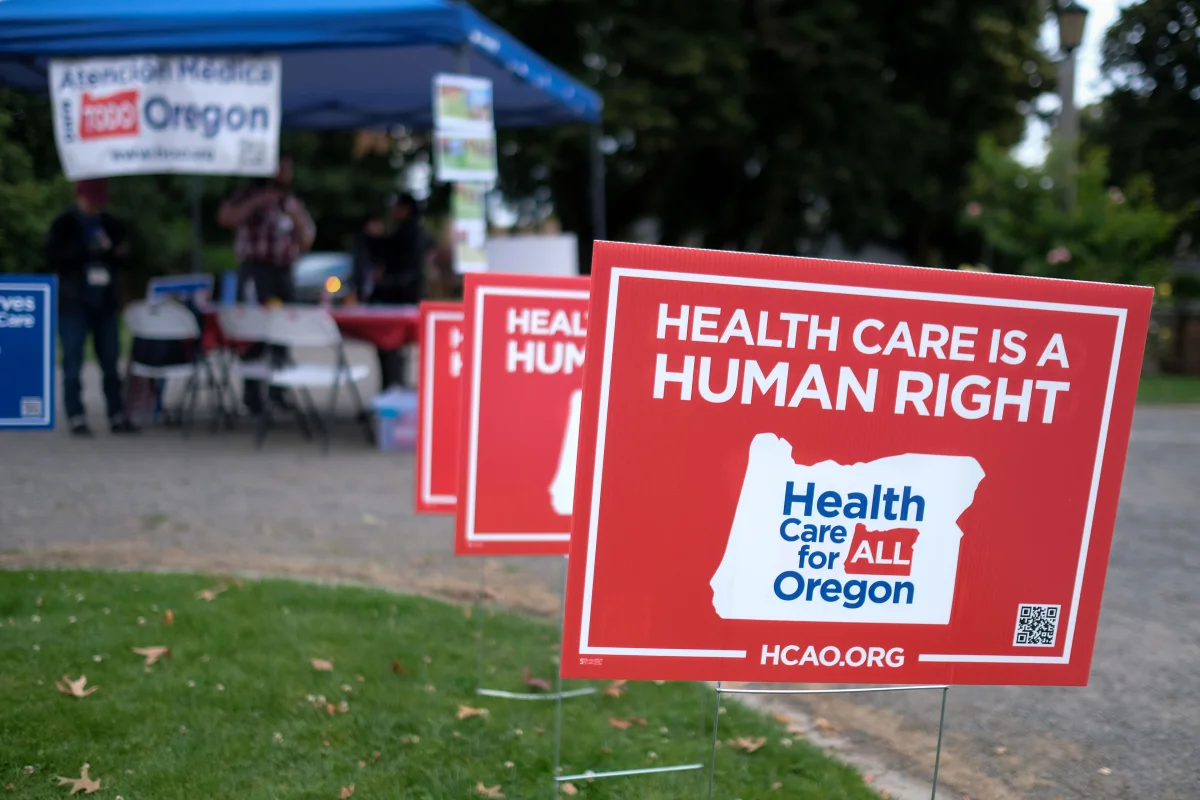
As the midterm elections approach, Democratic leaders are eyeing opportunities to expand health coverage significantly. Their focus lies on boosting Affordable Care Act subsidies, reversing Medicaid cuts, and potentially lowering the Medicare eligibility age. However, some states are pursuing even bolder reforms aimed at establishing single-payer, universal healthcare systems.
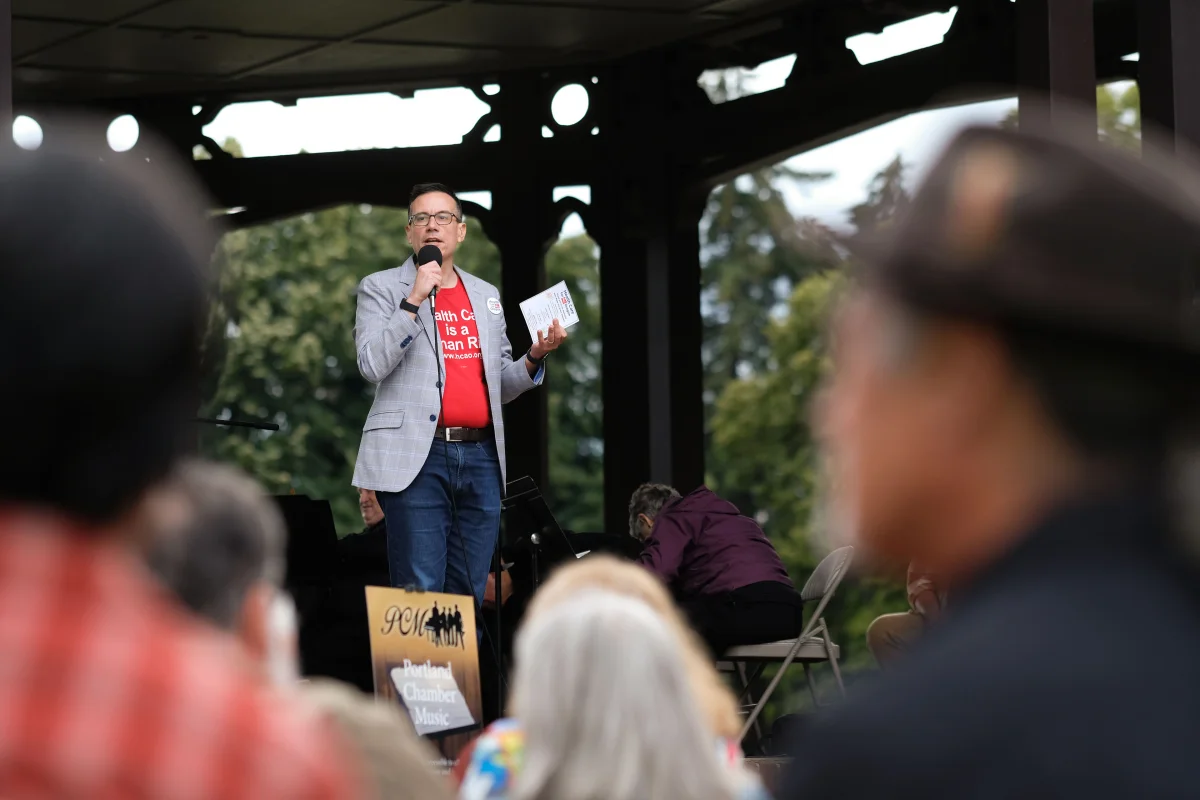
Oregon's Ambitious Proposal
Among these states, Oregon stands out as a frontrunner in the quest for universal health coverage. A specially appointed panel, due to submit its recommendations by December 1, 2023, is tasked with drafting a universal health plan. The Universal Health Plan Governance Board aims to create a system that covers medical, vision, dental, and mental health services for all state residents starting in 2032. This system would ideally operate without premiums, deductibles, or co-payments, changing the healthcare financing landscape fundamentally.
If approved, this could make Oregon the first state in the U.S. to implement a comprehensive single-payer health coverage model, potentially serving as a blueprint for other states and even influencing federal health policy.
Support for Universal Healthcare Grows
Supporters of the proposal believe public backing for universal healthcare is stronger than ever. Rising healthcare costs and the complexity of navigating insurance lead many individuals to hesitate before seeking care, with medical debt being a leading cause of personal bankruptcy nationwide. The sentiment that patients should not have to choose between financial security and access to healthcare is gaining traction.
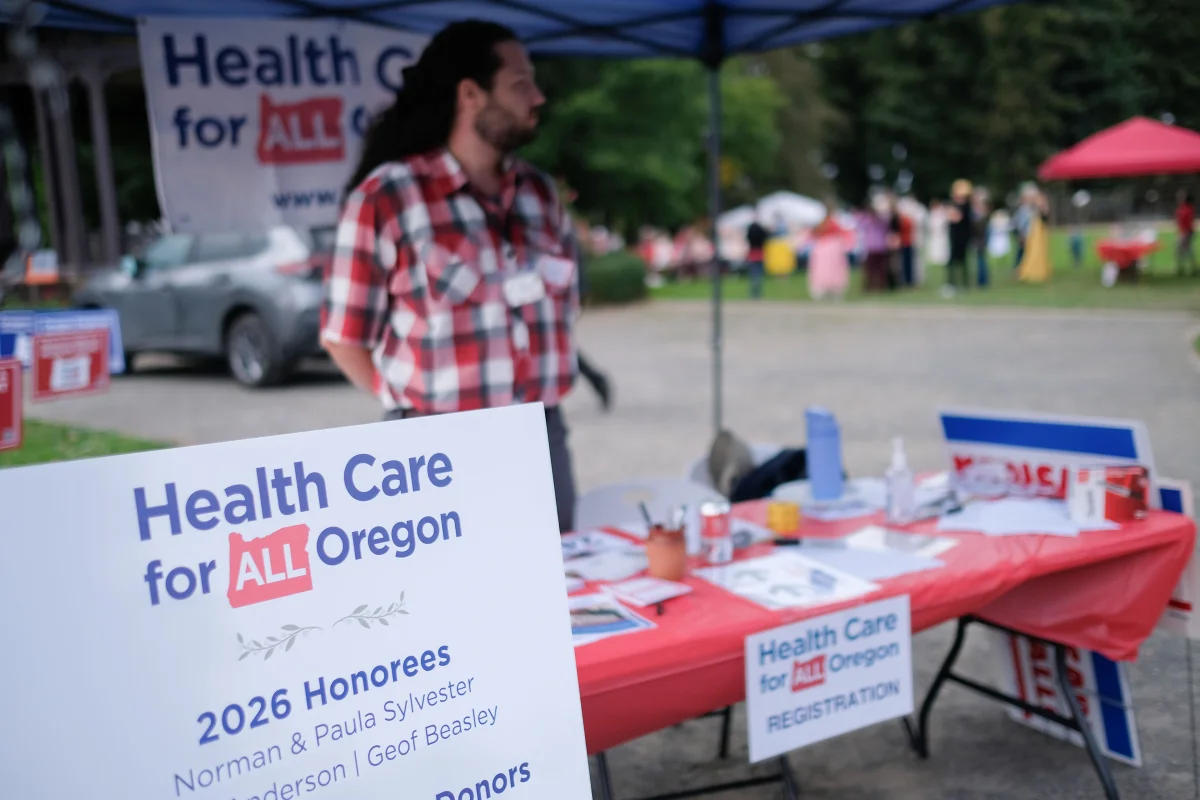
Historically, states have acted as testing grounds for health policies that later gain national attention. The Affordable Care Act itself was informed by an earlier Massachusetts model, while Canada’s healthcare initiative began with a provincial plan. This testing approach suggests that a successful implementation in Oregon could pave the way for broader changes across the country.
Political Landscape and Challenges
However, the road to a universal healthcare system isn't free from hurdles. Jonathan Oberlander, a health policy professor at the University of North Carolina, points out that the current national political climate makes federal approval for "Medicare for All" implausible in the immediate future, thereby placing emphasis on state-led efforts like Oregon's. Yet, significant opposition is anticipated from powerful healthcare entities, including large hospital systems that might resist such substantial changes due to fears of reduced funding and restructured pay models.
The history of universal healthcare proposals in the U.S. is fraught with challenges. Vermont's attempt to establish a similar system in 2011 was scuttled by then-Governor Peter Shumlin due to concerns about economic disruption. Ballot measures in Colorado, Oregon, and California have previously failed to secure popular support, illustrating the uphill battle advocates face in shifting public opinion in favor of such reforms.
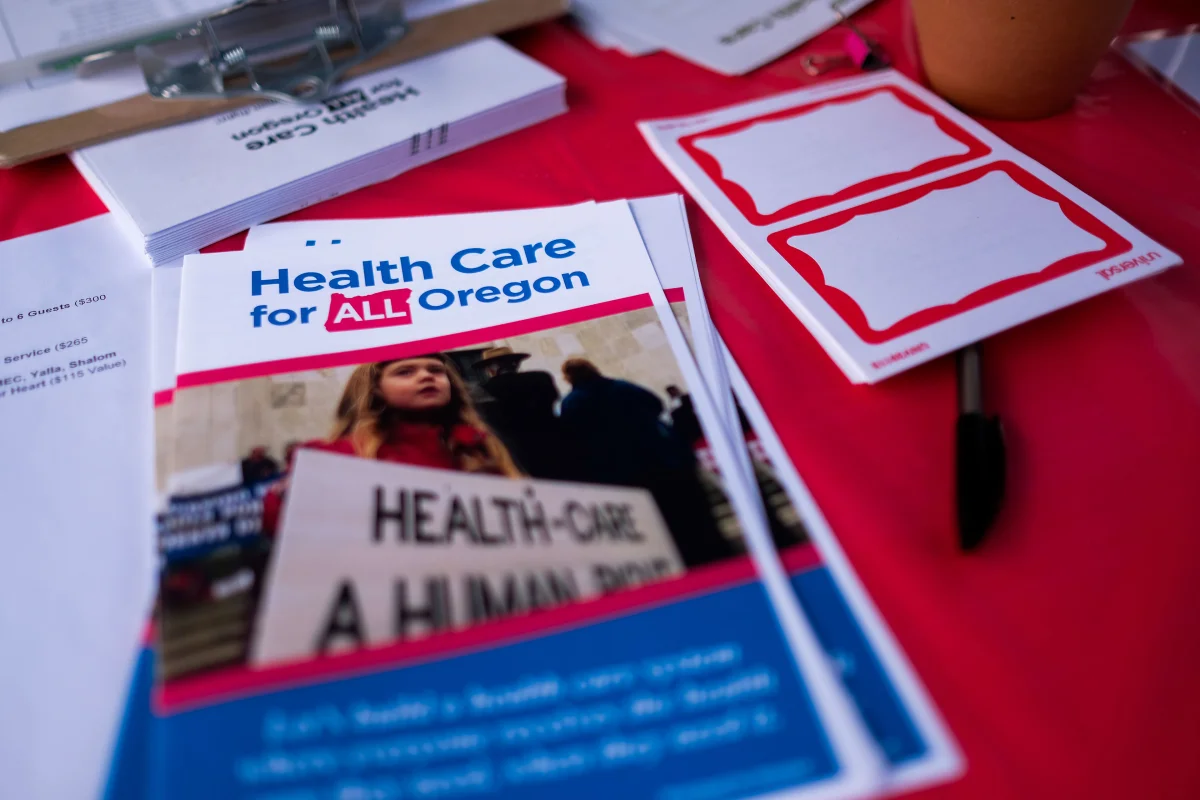
Financial Underpinnings of Oregon’s Plan
Oregon's proposal is structured to maintain current healthcare spending through new taxation that would replace insurance premiums and out-of-pocket costs. These would couple with existing federal and state funding to create a single financial pool to pay for healthcare services statewide. Advocates assert that streamlining administration, combating fraud, and negotiating better prices for medications can generate sufficient savings to expand benefits and coverage.
For instance, a 30-year-old earning $55,000 currently pays an estimated $5,478 yearly for insurance premiums but could see that reduced to an anticipated $2,331 in taxes under the new plan. Employees receiving coverage through their employers might initially shoulder less financial burden, as many could face little to no out-of-pocket costs while gaining the flexibility to choose their healthcare providers. However, this model may result in higher costs for wealthier individuals, contingent on the final tax structures the legislature decides on.
Communication and Stakeholder Engagement
In the coming months, proponents must tackle the challenge of messaging. Stakeholders, including hospitals and health systems, must be convinced that a more streamlined approach can benefit them financially by reducing administrative burdens. Currently, many hospitals dedicate substantial resources to managing relationships with various insurers with differing policies and regulations. A universal plan could theoretically simplify this and save considerable costs.

Nonetheless, the skepticism from some hospital representatives is notable. Becky Hultberg, president of the Hospital Association of Oregon, warns that the proposal risks maintaining the status quo while complicating matters with new taxes that might upset a delicate financial balance in the healthcare ecosystem. Rural hospitals, often under strain due to high rates of uninsured patients, could seek stability through this reform; however, skepticism still clouds its feasibility among healthcare providers.
Reassessing Payment Models
Under the proposed universal system, doctors and other healthcare providers would be compensated based on a model that blends Medicare rates with private insurance payouts, prioritizing primary care over specialty services. While this is designed to alleviate administrative issues and enhance patient interaction time, there are concerns that specialists may feel financially disadvantaged under such a payment structure.
Experts suggest the design of such systems inevitably leads to beneficiaries and those who lose out, and how best to navigate and communicate these outcomes will be crucial.

Industry Response and Expected Resistance
Health insurers have yet to issue a formal response to Oregon's universal healthcare proposal, but the underlying premise would significantly diminish the viability of private insurance in the state. Observers like Wendell Potter, a former insurance executive, anticipate a robust pushback from the insurance industry, fueled by concerns over high taxation, loss of consumer choices, and the fear that the move represents a shift toward socialized medicine. This apprehension may influence how the public perceives the proposed changes.
The potential for misunderstanding and fear among policyholders can complicate efforts to build support for a universal health model. Many individuals may be averse to drastic changes, fearing that existing quality will diminish or coverage options will narrow. Balancing the promise of a simplified, accessible system against fears of losing existing benefits poses a significant communication hurdle for Oregon's advocates.
Future Prospects and Interstate Collaboration
As Oregon forges ahead, the landscape remains uncertain regarding whether it will be able to secure federal approval to redirect Medicare and Medicaid funding into its universal healthcare initiative. Supporters argue that while immediate federal backing might not be forthcoming, gradual implementation beginning with non-Medicare populations could still move forward, setting a foothold for broader changes.
Other states, including California, New York, and Washington, are considering their own frameworks for single-payer healthcare, indicating a potential collaborative effort that could ripple across the West Coast. Shared strategies and ideas could build momentum for a collective approach to universal coverage, encouraging further advancements on a national level.
Ultimately, the commitment of Oregon and its neighboring states could lead to significant changes in how health care is structured across the nation, and success in this endeavor would provide considerable insights into the path toward a more inclusive healthcare system.
KFF Health News is a national newsroom that produces in-depth journalism about health issues and is one of the core operating programs at KFF—an independent source of health policy research, polling, and journalism. Learn more about KFF.This article first appeared on KFF Health News and is republished here under a Creative Commons Attribution-NonCommercial-NoDerivatives 4.0 International License.


