In Georgia's 14th District, rising healthcare costs leave many uninsured, yet political allegiance to conservative figures remains strong among residents like Amber Bates.
Amber Bates, residing in the northwestern corner of Georgia's 14th Congressional District, finds herself part of a large group lacking health insurance in a region that houses about 765,000 residents. For the past two years, Bates and her husband have been without coverage, primarily due to the unpredictability of their employment and a household income that exceeds Medicaid eligibility limits, which caters to low-income individuals and those with disabilities.
The expiration of enhanced subsidies for the Affordable Care Act (ACA) at the end of last year further worsened Bates' situation. Her mother-in-law is among many who have dropped their plans because of rising costs. Living in a trailer home, Bates and her family, which includes a two-year-old son and a mother-in-law who cares for a son with autism, find themselves spending approximately a third of their income on prescriptions, often relying on emergency rooms for healthcare as they do not face upfront billing.
Despite these financial strains, Bates maintains her support for former President Donald Trump but has begun to see flaws in his leadership, acknowledging that healthcare issues might not be at the forefront of his agenda.
A Conservative Stronghold Amidst Rising Costs
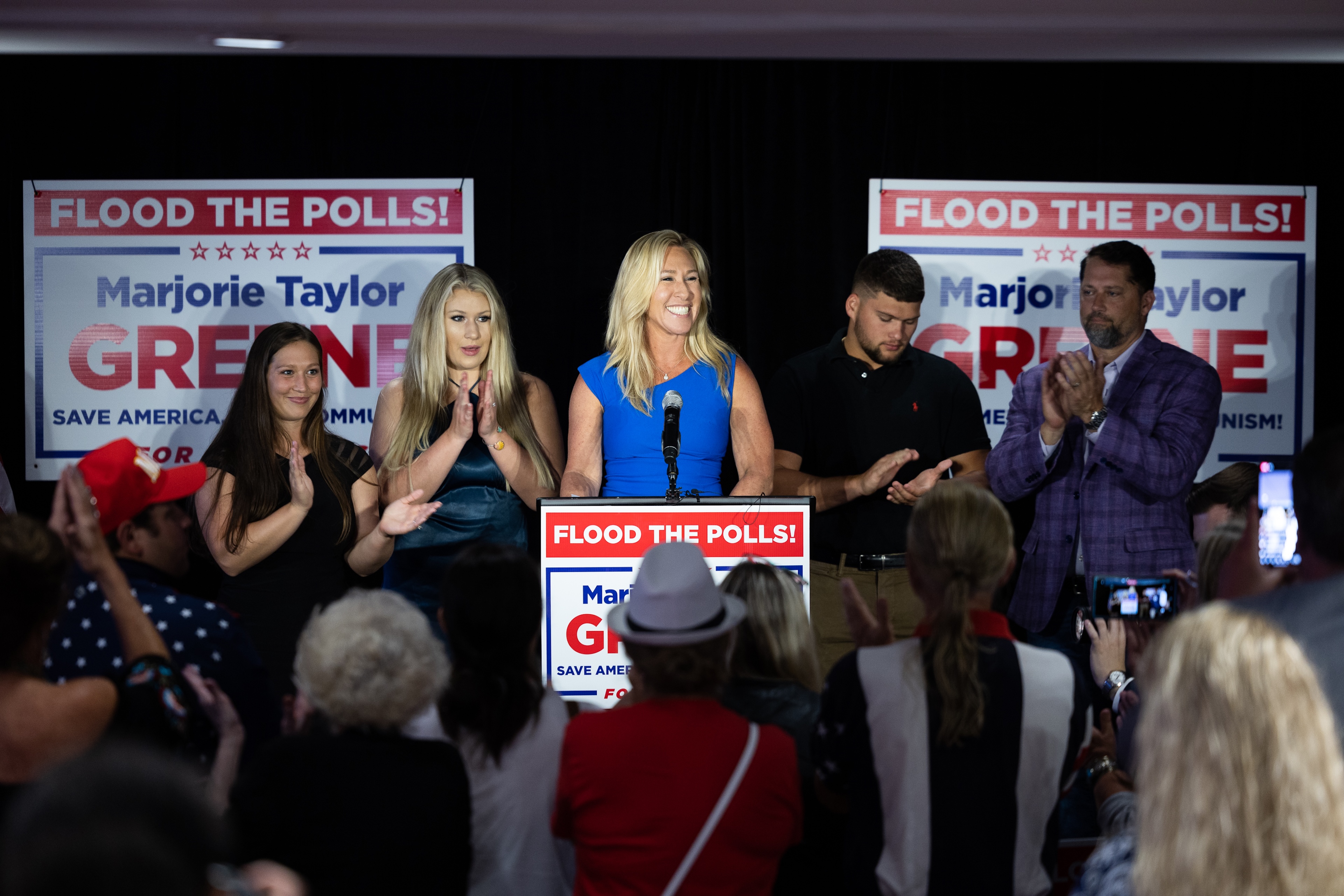
The 14th District stands out as Georgia's most conservative area, previously represented by Marjorie Taylor Greene, a staunch Trump ally. Greene has recently shifted her perspective, criticizing Republicans for allowing enhanced ACA subsidies, which had benefited her constituents, to expire. In her view, about 74,000 residents of her district, including her own adult children, are now suffering from higher healthcare costs as a result.
After Greene publicly rebuked Trump for what she views as misplaced priorities, the former president retaliated on social media, asserting that he would no longer support her. Shortly thereafter, Greene announced her resignation from Congress, yet many residents in this rural district still show unwavering support for Trump, even as they face increasing healthcare challenges.
Public Sentiment on Healthcare Costs
Bates isn’t alone in feeling the financial pressure; a June poll revealed that 37% of Republican voters find healthcare costs to be a significant concern. The same survey indicated over half of Republican supporters felt Congress was misguided by letting the enhanced subsidies lapse. In fact, blame for this expiration was directed mainly toward congressional Republicans and Trump, according to 62% of ACA marketplace enrollees.
However, as the midterm elections near, analysts do not foresee this discontent leading to significant shifts in voting behavior in conservative areas like the 14th District, despite the rollback of favorable healthcare policies. Charles Bullock, a political science professor at the University of Georgia, notes that loyalty to Trump and the Republican Party appears stronger than self-interest regarding healthcare.

The Stigma of “Obamacare”
More than a decade after the ACA's introduction, the term “Obamacare” still carries a negative connotation among conservatives. Though past Republican efforts centered around repealing the ACA, current strategies seem to involve a gradual diminishment of the coverage that was previously secured. According to data from NYU Langone Health, nearly 14% of individuals under 65 in the 14th District were uninsured as of 2024, a figure that surpasses the national average. Over 16% depended on Medicaid or the Children’s Health Insurance Program (CHIP).
Legislative changes, including the One Big Beautiful Bill Act, imposed new limitations on ACA enrollment and additional requirements for applicants. The Congressional Budget Office predicts that the confluence of these laws and the end of subsidies will increase the uninsured population in the U.S. by around 15 million over the next decade. Specifically in Georgia, ACA enrollment saw a decline of more than half a million individuals this year.
Greene herself, having criticized her own party’s stance on the ACA subsidies, claims her family’s premiums became untenable following the ACA’s enactment. She has labeled the loss of these benefits as “catastrophic,” reflecting the discontent felt by many in her district.
Trump's Health Policy Challenges
While some Republicans have pointed out the difficulties posed by their own policies regarding Medicaid and ACA subsidies, a coherent alternative for improving the healthcare system remains elusive. Speaker of the House Mike Johnson introduced the Lower Health Care Premiums for All Americans Act as a means of providing lower rates and expanded access. Nevertheless, this proposed legislation has faced scrutiny, with forecasts indicating it could result in a wider uninsured gap as it progresses through the legislative process.
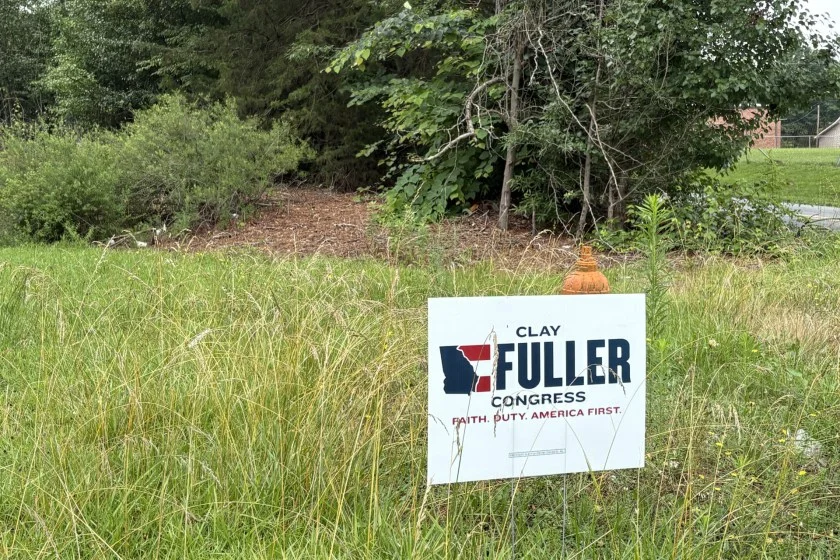
As the midterm elections approach, the strategy of continuing to decry the ACA and promoting less government involvement in healthcare remains prevalent among Republican candidates, including Clay Fuller, Greene's successor. Fuller received support from Trump but won the election with a narrower margin, indicating some level of increased competition in this historically Republican district.
Disconnect with Voter Needs
Clay Fuller has publicly dismissed expanded ACA subsidies as a viable long-term solution, suggesting that increased competition and decreased federal intervention are pathways to lowering healthcare costs. His challenger, Democrat Shawn Harris, argues that voters often conflate “Obamacare” with the Affordable Care Act, expressing frustration that many constituents may not realize they are one and the same. This creates a gap between what voters believe and their actual needs concerning healthcare.
Bates highlights that healthcare stands as one of her primary concerns. With her experiences echoing the sentiments of many in Georgia’s 14th District, she wishes that lawmakers could understand the real challenges faced by working families. “I honestly wish Congress would actually spend time in the life that we live,” she expressed, noting a disconnect between policymakers and constituents living with the realities of rising healthcare costs.
Are you struggling to afford your health insurance? Have you decided to forgo coverage? Click here to contact KFF Health News and share your story.
KFF Health News is a national newsroom that produces in-depth journalism about health issues and is one of the core operating programs at KFF—an independent source of health policy research, polling, and journalism. Learn more about KFF.
This article first appeared on KFF Health News and is republished here under a Creative Commons Attribution-NonCommercial-NoDerivatives 4.0 International License.


