Nonprofits are providing critical health insurance support to musicians in Austin, easing the financial burden for low-income artists amid rising premiums.

AUSTIN, Texas — Zack Morgan, a musician who transitioned from corporate work to pursuing music full-time, found himself needing health insurance again after losing his job in 2015. In a city renowned for its vibrant live music scene, many artists face affordability issues that threaten their livelihoods. To assist local musicians, Morgan connected with the Health Alliance for Austin Musicians (HAAM), a nonprofit dedicated to providing essential healthcare support to the community.
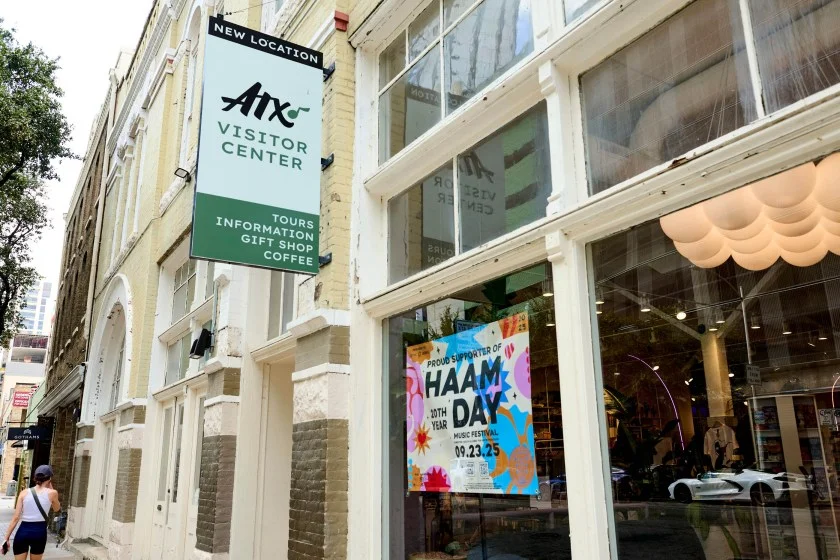
HAAM addresses the health insurance gaps experienced by many musicians in Austin, a city that markets itself as the "Live Music Capital of the World." Through its program, HAAM subsidizes monthly premiums for local musicians who enroll in plans available via the Affordable Care Act marketplace. This initiative has received substantial funding from Central Health, the public healthcare provider for low-income residents in the region. Remarkably, many of the musicians involved pay as little as $0 for their monthly premiums.
Since its establishment over a decade ago, HAAM has gained traction and credibility, particularly through challenging times like the COVID-19 pandemic. However, the landscape for healthcare coverage shifted when federal COVID-19 relief subsidies ended in 2026, leading to a surge in premiums for ACA plans. Reports indicated that about 5 million individuals across the U.S. dropped their health coverage due to soaring costs. In stark contrast, HAAM has managed to cushion the blow for its many members, emerging as a potential blueprint for similar initiatives in cities nationwide.
A Growing Idea
Texas has continued to grapple with high uninsured rates, with approximately 19% of individuals aged 64 and under lacking coverage in 2024. Even before the launch of the ACA marketplace in 2014, HAAM was dedicating efforts to connect musicians with low-cost healthcare options at various clinics and hospitals. Despite this, around 85% of HAAM members remained uninsured, prompting the organization to seek solutions that would help their members secure full insurance coverage.
"When the Affordable Care Act came out, and we knew it was here to stay, it really made sense for us to start getting our musicians fully insured," said Rachel Blair, HAAM's chief strategy officer. Other cities with rich musical cultures, from Seattle to New Orleans, have similar organizations that assist musicians, yet few have adopted the direct premium-support model HAAM pioneered.
The organization’s success is notable: since the introduction of premium assistance, HAAM's membership has expanded by 77%, now totaling over 3,300 members. More than 90% of these musicians are insured, drastically improving their healthcare access.
HAAM has partnered with Central Health, which oversees safety-net healthcare for low-income residents in Travis County. To be eligible, HAAM members must enroll in a silver-level health plan offered by Central Health's Sendero Health Plans. For those earning between one and two times the federal poverty level, Central Health covers the remaining premium after federal tax credits. For members above this income threshold, HAAM covers a portion of the premium costs instead.

Program Expansion and Community Engagement
In 2017, HAAM took its successful model and established a similar program in Denton, Texas, known for its musical heritage. The Denton Music and Arts Collaborative connects members with independent insurance agents, providing them monthly subsidies of $100 to help cover premiums, underscoring the communal effort to sustain local artistic cultures.
Other sectors in Austin have begun to take notice of HAAM’s efficacy. In 2025, Good Work Austin made strides to assist local restaurant workers by launching a pilot program with Central Health to facilitate access to similar health plans.
“We depend on the advocacy group to build trusted community connections,” noted Kit Abney Spelce, Central Health’s vice president of operations. This emphasis on community outreach is evident in HAAM's approach, where fostering relationships proves vital for increasing enrollment.
Navigating Federal Headwinds
With rising healthcare costs, particularly the forecasted 58% increase in 2026 premiums, organizations like HAAM are facing heightened fund-raising challenges. The typical year-over-year premium increase placed additional strain on resources, amplified by the expiration of enhanced federal tax credits intended to support low-income enrollees.
Blair revealed that HAAM experienced its premiums rising an alarming 60% recently, prompting the organization to expand its fund-raising activities. However, despite their efforts, they found themselves unable to meet the requests for assistance from hundreds of qualified members. Although they managed to secure funds for existing members, the limitations have been evident.
Looking forward, Central Health remains committed to ensuring that monthly premiums remain adequately covered for existing HAAM members. Yet, significant gaps exist, particularly among Austin's poorest residents who remain excluded from HAAM's coverage. With many individuals earning below the federal poverty level, a clear disconnect persists, further exacerbated by Texas's decision not to expand Medicaid.
To address these gaps, alternative programs such as Central Health's Medical Access Program offer some solution, albeit not equivalent to full Medicaid benefits. Although HAAM collaborates with primary care providers to supply services for the uninsured, Blair remains aware of the limitations of these measures, emphasizing the need for sustainable structural changes in healthcare accessibility.

In conclusion, while HAAM's model has proven effective for many, the ongoing challenges in healthcare access for some populations remain a critical concern. Observers of this nonprofit initiative will be eager to see how the landscape evolves in response to both community needs and rising market pressures.


