Home insurance can cover water damage from unexpected leaks, but not all situations are included. Understand your policy to ensure you’re adequately protected.
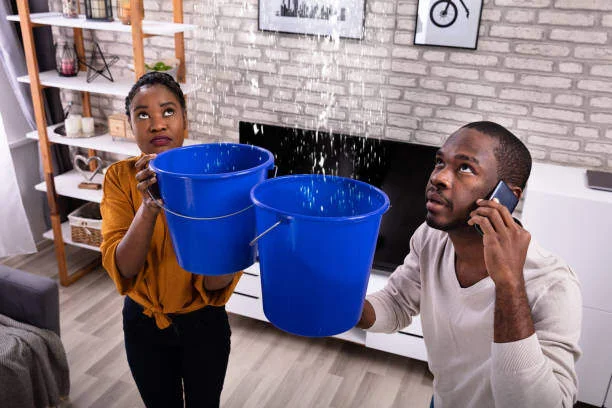
You certainly hope to avoid water damage in your home, but many homeowners face this frustrating issue at some point. The topic of water leak coverage in home insurance is often surrounded by confusion, so let's clarify the critical aspects of what you need to know about your options.
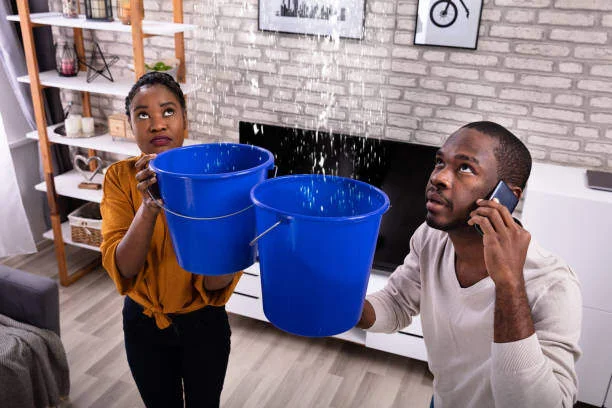
Types of Home Insurance Policies
In Canada, homeowners have several options when it comes to home insurance policies designed to protect both their property and belongings. These policies range from comprehensive to more basic, tailored to fit different needs and budgets.
A comprehensive policy typically offers the most extensive coverage, including protection against incidents like burst pipes, plumbing issues, and appliance overflows. However, it's crucial to understand that even comprehensive plans generally exclude natural disaster damages, such as flooding.
On the other hand, a Named Perils Policy may appeal to those who either do not meet the qualifications for comprehensive coverage or are looking to save on premiums. While this option is more budget-friendly, it does provide less extensive coverage.
Understanding Water Coverage
To shield yourself from potential hassles related to water damage, you should understand the different kinds of water coverage available. The specifics can vary significantly between insurers, making it essential to consult with your broker for guidance tailored to your home's needs.
When selecting the right water coverage, consider the following:
- Coverage limits: What your insurer or their competitors will cover can vary, and you might find better limits elsewhere.
- Deductibles: This is the amount you'll pay out of your own pocket before your coverage kicks in.
- Inclusions and exclusions: Each policy will specify what it does and does not cover.
- Conditions: These are requirements you must meet to maintain your coverage, like having someone check your home while you're away for an extended period.
Common Home Insurance Water Damage Coverage
It's vital to know which water damage scenarios your home insurance will cover. Generally, home insurance tends to cover damage resulting from sudden and unforeseen incidents. Here are the most common scenarios typically included:
- Burst pipes: Covered if caused by freezing or corrosion.
- Appliance leaks: Sudden leaks from appliances like washing machines are included.
- Overflow incidents: Accidental overflows from sinks, bathtubs, or toilets due to malfunctions are generally covered.
- Water heater failures: Damage caused by a water heater breaking down is included.
Conversely, certain situations are generally excluded from primary home insurance policies:
- Gradual leaks: Damage from leaks that aren’t sudden or accidental typically won’t be covered.
- Seepage: This refers to groundwater slowly entering through minor cracks or porous material.
- Wear and tear: Damages resulting from aging or lack of maintenance are often excluded.
- Negligence: If a leak is known and unaddressed, it likely won't be covered.
- Flood damage: Standard home insurance usually does not cover flood damage, so additional coverage is often recommended.
- Freezing pipes: If you're away and do not take necessary precautions, claims for freezing may be denied.
Accidental Water Damage Coverage
Comprehensive home insurance is designed to provide robust protection against various risks, including sudden or accidental water damage from sources like burst pipes and malfunctioning appliances. However, these types of incidents often occur at inconvenient times, such as when you're away from home. Therefore, it’s wise to have someone regularly check on your property if you're out of town for an extended period.
Slow Leaks and Maintenance
Left unattended, slow leaks can lead to substantial damage; hence, knowing how to prevent them is critical. Here’s a rundown of common sources of slow leaks and tips on detection:
Plumbing Fixtures
- Regularly check under sinks and around faucets for discoloration, water pooling, or mold.
- Test sink and shower fixtures to ensure they’re not leaking after the water is turned off.
- Consider installing a backwater valve to prevent sewage backflow.
Toilets
- Be attentive to any ongoing sound of running water.
- Inspect the toilet's base for dampness or discoloration.
Water Supply Lines for Appliances
- Look for moisture around connections for washing machines, dishwashers, or refrigerators.
- Upgrade plastic hoses to metal braided ones for added durability.
Pipes
- Inspect pipes for visible rust or moisture signs.
- Monitor your water meter when not in use to catch hidden leaks.
- Listen for unusual hissing or dripping sounds.
Roof
- Check ceilings for discoloration or water damage signs.
- If you have an attic, look for mold or dampness post heavy rain.
Windows and Doors
- Inspect seals for gaps or damage.
- Look for warping or decay around frames.
Gutters and Downspouts
- Clean gutters regularly to avoid clogs.
- Ensure water flows properly through downspouts, directing it away from your home.
Overland Water (Flood Damage) Coverage
Climate change has led to increased flooding events across Canada, prompting a shift in insurance policies around water damage. Overland Water coverage has become more accessible to homeowners, protecting against damages from heavy rains, overflowing rivers, or lakes infiltrating residential spaces.
Seepage and Home Insurance
Seepage refers to the gradual passage of water through small openings or cracks, often stemming from foundation weaknesses. Since seepage is seen as preventable through regular maintenance, it's commonly excluded from home insurance policies. It’s crucial to address visible leaks promptly to avoid larger issues.
Two Types of Coverage for More Comprehensive Protection
To ensure maximum protection against potential water damage, consider adding overland water, groundwater, and sewer backup coverage. Overland water coverage safeguards against external floods entering your home, while sewer backup coverage protects against sewer surges into your property.
Groundwater coverage is another optional addition, offering protection against sudden, unexpected groundwater ingress through basements or foundations. Given the relatively low cost of adding sewer backup insurance, it's a worthwhile investment that could prevent significant losses in the event of heavy precipitation.
Water Damage Insurance Terminology
To navigate the complexities of water damage insurance, familiarize yourself with essential terms:
- Accidental: Events that occur unexpectedly.
- Exclusion: Specific conditions not covered by your policy.
- Premium: Cost of the insurance policy, typically charged monthly or annually.
- Seepage: Slow liquid movement through small openings.
- Sewer system: Infrastructure for removing wastewater from buildings.
- Sudden: Rapid occurrences.
- Water escape: Unintentional water release leading to damage.
- Water mains: Major pipes for public water supply.
- Ground Water: Water present beneath the earth’s surface.
- Overland Water: Surface water not confined to bodies of water.
- Sewer Backup: Backflow of sewage into homes.
- Backwater Valve: Device preventing sewage from backing up during rain or floods.
- Condition: Provisions that must be met for coverage validity.
Your insurance broker can provide further clarity on these terms and guide you through selecting the right coverage for your home.