Business use, drivers and downtime shape coverage for a single work vehicle. Here’s what businesses in Newfoundland and Labrador and Nova Scotia should review.
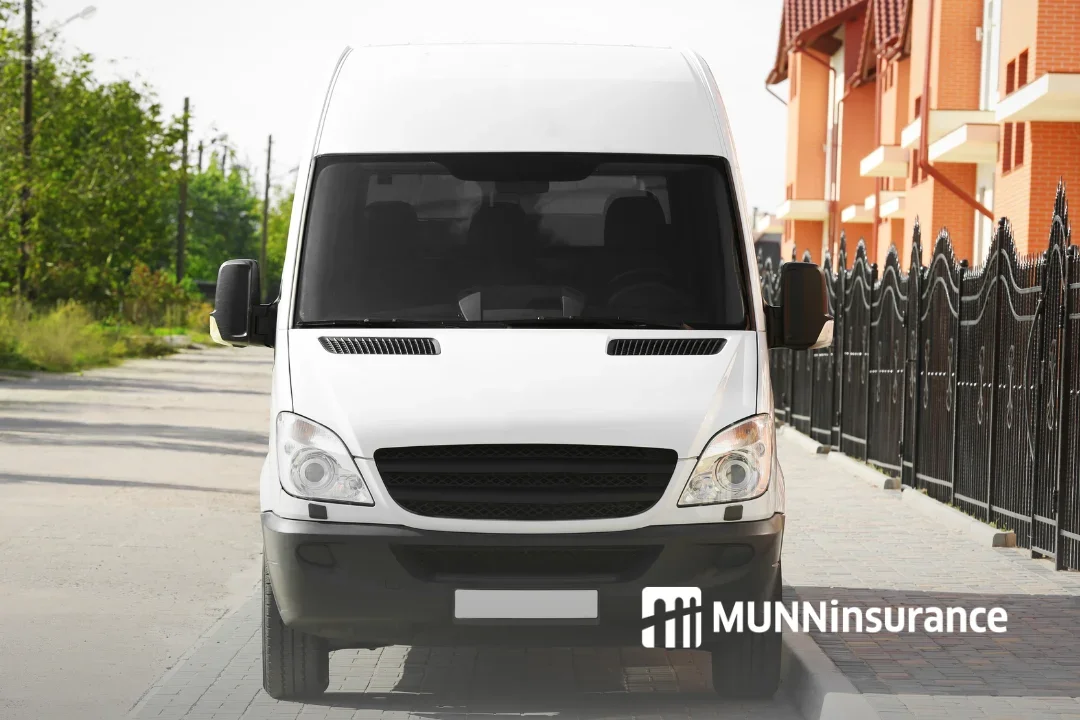
A business can depend on a single vehicle as much as a larger operation depends on an entire fleet. When that vehicle carries tools, takes employees to job sites or makes customer deliveries, the way it’s used can shape its insurance needs—and a breakdown or covered loss can disrupt the work that brings in revenue.
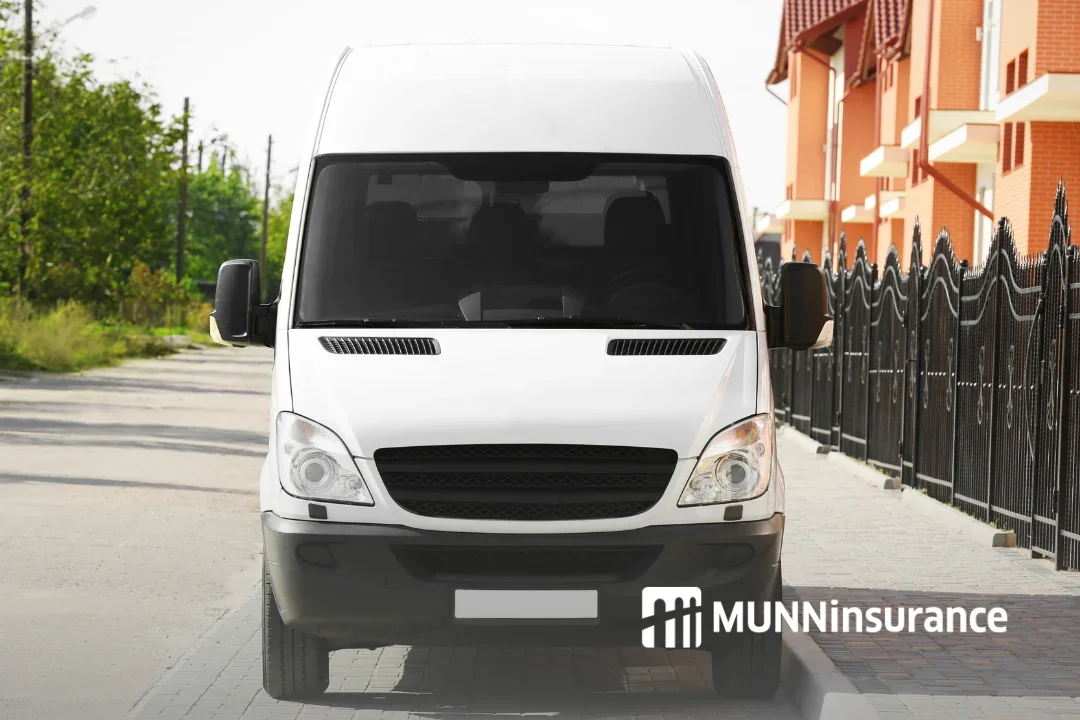
Commercial Auto Insurance can apply to a one-vehicle business. The key details are the vehicle’s role, how often it’s used for work, what it carries or tows, and who drives it. Businesses in Newfoundland and Labrador and Nova Scotia can use those details to discuss suitable coverage with a broker and understand what may fall outside the auto policy.
Business use matters more than vehicle count
A vehicle’s make and model don’t tell the full story. A pickup used mainly for a commute has a different work pattern from one that travels between construction sites, hauls materials and tows a trailer. A personal car used occasionally for business errands may also have a different exposure from a company car that visits customers every day.
Regular business activities that may call for a commercial auto discussion include:
- Carrying tools, equipment, materials, goods or merchandise
- Driving between job sites or making service calls
- Delivering products
- Visiting customers or clients
- Towing work trailers or equipment
- Transporting passengers as part of the business
- Supporting other routine business operations
Those uses help describe the vehicle’s work exposure. A van filled with specialized tools, for example, creates questions about both the vehicle and the property inside it. A truck that tows equipment adds the trailer and its contents to the discussion.
One vehicle can be central to the operation
A contractor in St. John’s or Dartmouth may rely on one pickup to reach jobs, carry materials and tow a trailer. A plumber or electrician may use a service van as both transportation and a mobile workshop. A landscaper may haul equipment between customer properties across the Halifax Regional Municipality or the Avalon Peninsula.
The same dependence can apply to a salesperson whose company car is used for customer appointments across Newfoundland and Labrador or Nova Scotia, or to a small delivery business whose sole van handles every delivery. In each case, the business has one vehicle, but its daily work may depend on that vehicle being available.
That reliance makes downtime a practical coverage question. A business with several vehicles may be able to rearrange some work if one is unavailable. An owner with a single service van may have fewer ways to keep appointments, move tools and get employees to jobs.
Personal ownership doesn’t settle the question
Some business owners use a personally owned car, pickup or van for work. Ownership is one factor, but regular use matters too. Driving to and from a regular workplace differs from routinely carrying tools, making deliveries, visiting customers or travelling between job sites.
Depending on the type and frequency of that work, personal auto coverage may need an adjustment, or commercial coverage may be more appropriate. The broker and insurer need a clear description of how the vehicle is actually used. A personal registration or ownership arrangement doesn’t remove the need to discuss its business use.
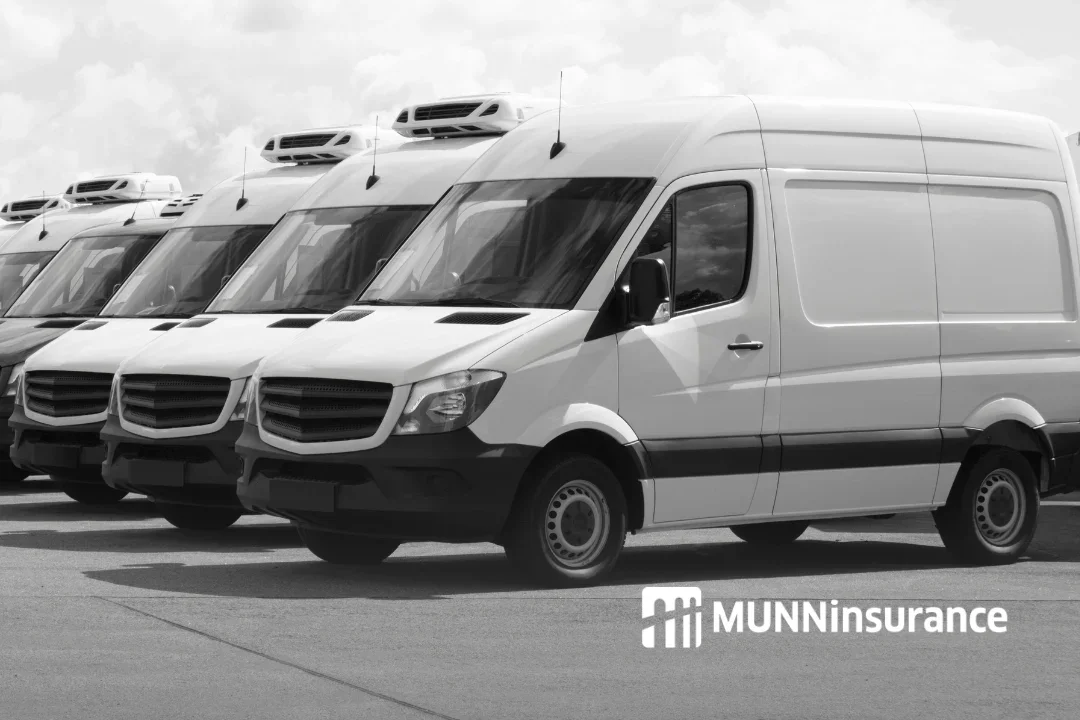
When a business owns or registers a vehicle used in its operations, commercial auto coverage will generally be part of the insurance discussion. That can include a corporation-owned pickup, a service van, a delivery vehicle, a company car driven by employees or a truck carrying work materials. The insurer will still need information about use and drivers.
Coverage can address liability and damage to the vehicle
Depending on the province and policy, commercial auto coverage can include required protections such as Third-Party Liability, Accident Benefits, Uninsured Automobile Coverage and Direct Compensation Property Damage where applicable. The available terms and requirements can vary, so the policy wording and provincial rules matter.
Third-Party Liability can help protect against covered claims for injuries or property damage for which an insured driver or business is legally responsible, up to the policy limit. One vehicle doesn’t make a collision less serious. If a driver causes an accident that injures someone or damages another vehicle, the resulting financial exposure can be significant.
Some customers, general contractors, landlords or other organizations may require a specified amount of auto liability coverage before a business can take on work. Such requirements are common in trades and construction in Newfoundland and Labrador and Nova Scotia. A business should account for its work and contractual requirements when reviewing its liability limit; vehicle count alone doesn’t describe that exposure.
Optional physical-damage coverage can address damage to the insured vehicle. Depending on the policy, choices may include Collision, Comprehensive, All Perils or other endorsements and additional coverage. These options cover different types of loss, subject to policy terms, exclusions and deductibles.
The vehicle’s value and the business’s ability to absorb a replacement cost can inform that discussion. A newer, financed, leased or expensive work truck may raise different considerations from an older vehicle. Replacing a work truck that costs $50,000, $60,000 or $70,000 could be a major expense for a small operation. Those figures are examples from the source; they aren’t quotes or a recommended coverage amount.
Plan for a vehicle that’s out of service
Physical damage is only one part of a vehicle’s impact on a small business. If a sole service van is damaged in an accident and remains in a repair shop for weeks, the owner may still have booked customers, employees who need transport, and tools and materials to move.
Depending on the policy, coverage may be available toward a temporary replacement or rental vehicle after a covered loss. That option may matter to businesses that use a vehicle every day, particularly in parts of Newfoundland and Labrador or Nova Scotia where a rental vehicle might not be available right away. Availability and terms depend on the policy.
Before a loss, consider how the business would keep operating if its only vehicle were unavailable. A broker can explain whether the policy offers a replacement vehicle benefit, what conditions apply and what costs the business may need to cover itself.
Tools, equipment and trailers need their own review
Commercial Auto Insurance primarily covers the automobile. It doesn’t necessarily insure every item inside it. A tradesperson’s van may contain power tools, hand tools, testing equipment, parts and specialized supplies worth a substantial amount. Tools, equipment, inventory and other business property may need Commercial Property Insurance, an equipment floater or another form of business coverage.
Businesses that tow should also describe the full setup. A landscaper may tow mowers, a contractor may haul building materials, and a trades business may use an enclosed trailer for storage. The vehicle, trailer and items being carried each raise separate coverage questions. Having commercial auto coverage on the towing vehicle doesn’t automatically mean the trailer or its contents are covered.
For information about business property coverage, see Commercial Property Insurance. The right coverage depends on the property and policy terms.
Drivers and work patterns can affect the premium
Even a one-vehicle business may have several drivers. An insurer may ask about employees who regularly operate the vehicle, including licence status, driving experience, driving record and how often they use it. Drivers can affect eligibility and premium. Tell the broker if a new employee will drive regularly or the main driver changes, so the policy reflects who is actually behind the wheel.
There’s no standard price for insuring one commercial vehicle. Cost can depend on the vehicle type and value, how and where it operates, annual distance, what it carries or tows, its drivers and their records, claims history, liability limits, physical-damage coverage and deductibles.
A car used for customer visits in Halifax and a heavy-duty pickup that hauls equipment between rural Newfoundland construction sites may have very different risk profiles, even if each business has one vehicle. Comparing them by vehicle count alone would miss the details that shape the insurance discussion.
Review coverage as the business changes
A business might begin with one pickup, add a service van the following year, then hire another employee and acquire a second truck. Coverage can be reviewed as the number and types of vehicles change. Depending on the operation and insurer requirements, a fleet policy may eventually be suitable.
Keep the broker informed when the business adds a vehicle or driver, changes the vehicle’s regular use, or starts carrying or towing different items. Waiting until renewal to mention a substantial change could leave the policy details out of step with the operation.
For a single-vehicle business, a useful review starts with the vehicle’s everyday role: who drives it, where it goes, what it carries, what it tows and how the business would work if it were unavailable. Those answers can help identify questions about liability, vehicle damage, replacement transport and business property.
Businesses can discuss those details with Munn Insurance, which works with businesses across Newfoundland and Labrador and Nova Scotia. Information is available at Commercial Auto Insurance or munninsurance.com/business; the source lists 1-855-726-8627 as a contact number.