Mississippi Medicaid had the nation’s highest rate of Depo-Provera prescriptions for a fourth year. Patients and clinicians say informed choice and side-effect discussions matter.
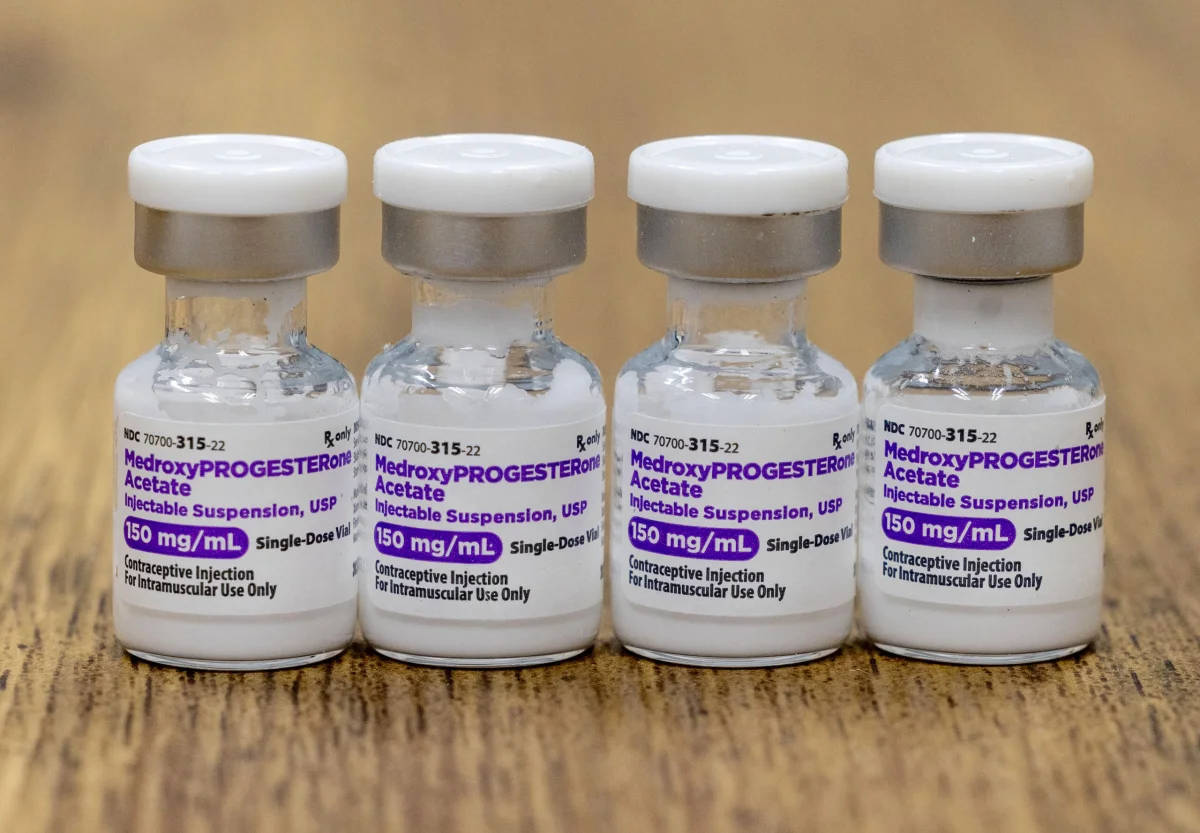
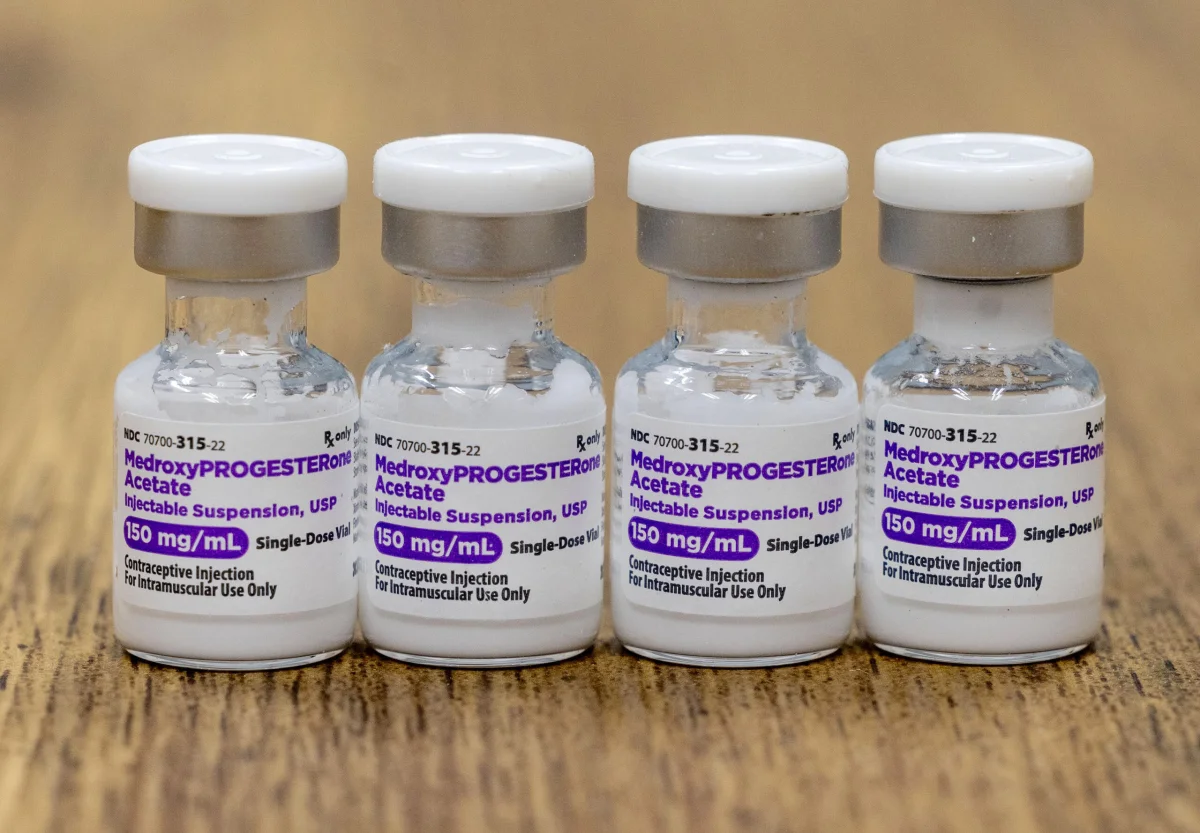
Mississippi had the highest rate of Medicaid prescriptions for injectable contraception in 2025, extending its lead to a fourth consecutive year. The figures put a spotlight on how patients learn about their options, what risks are discussed, and whether access to other methods is practical.

The medication is depot medroxyprogesterone acetate, commonly called Depo-Provera or “the shot.” It is typically given once every three months. Mississippi Medicaid recipients received more than 19,000 prescriptions in 2025, counting brand-name and generic forms. More than 95% of the state’s prescriptions that year were for generics.
Those prescription totals are not a count of individual patients: the data do not show whether multiple prescriptions went to one person. The analysis divided prescriptions by Medicaid enrollment, included enrollees of all ages and sexes, and excluded oral forms, high-dose formulations generally used in cancer care, and the small share of self-administered versions. Including those self-administered prescriptions did not change Mississippi’s ranking.
Patients want a fuller choice of methods
Marlena Jenkins, a Hattiesburg high school teacher, was 18 when she gave birth after graduating in 1997. She says she had received no sex education. Two months after delivery, a county health department prescribed her the injectable contraceptive. Jenkins used it for four years. She says she developed diabetes and struggled with the 60 pounds she had gained during that period; in 2019, she had gastric sleeve surgery.

The convenience initially appealed to her: she did not have to think about contraception every day. But she says she wishes she had received more information and a broader discussion of alternatives before starting. “If you’re new (to something), you don’t know what to ask,” she said.
Jenkins now works with Converge, a Jackson nonprofit that administers Title X family-planning funds to 91 clinics statewide. She shares her experience at monthly events to help other women understand what informed consent in contraceptive care can involve.
Providers and advocates interviewed for the story say patients on Medicaid may not always hear about an extensive range of methods or have enough time to discuss the tradeoffs. Danielle Lampton, Converge’s co-founder and co-executive director, says providers can assume that avoiding a daily pill will matter more to a patient than possible side effects. Such assumptions may come from good intentions, she says, while still narrowing a person’s choices.
“Bias often is not located in a nefarious plot to harm someone,” Lampton said. “It’s often located in believing that you know what’s best for them.”
Research has raised questions about long-term use
Two studies published in 2024 and 2025 reported an association between prolonged use of the shot and a higher relative risk of meningioma, a brain tumor that is usually not cancerous but can still cause harm. A French case-control study of more than 108,000 women found increased risk after more than a year of use. A retrospective study of more than 10 million U.S. women using contraception found increased risk after more than four years.
The studies describe an association; they do not establish that the medication caused a particular person’s tumor. Dr. Jennifer Karlin, an associate professor of family and community medicine at the University of California, San Francisco, said the overall risk remains small. She also stressed that contraceptive methods have different advantages and drawbacks, and that patients should be able to weigh risks in light of their own circumstances, including the risk of pregnancy.
Karlin shared a draft of an upcoming article from the reproductive-health hotline she leads. It cites smaller, more recent studies suggesting that stopping the medication may reverse or stabilize meningiomas. Those findings are still part of a developing body of research.
In late December, the Food and Drug Administration approved adding a safety warning to the Depo-Provera label. It says cases of meningiomas have been reported after repeated administration of medroxyprogesterone acetate, primarily with long-term use.
Pfizer, which makes the branded medication, said it stands behind Depo-Provera’s safety and efficacy and called it an important option for women managing reproductive health. The company also said a settlement in litigation over the medication includes no admission of liability or wrongdoing and does not affect cases pending in state courts.
One family’s experience and ongoing lawsuits
More than 6,400 people across the country have filed lawsuits against manufacturers of Depo-Provera.
Victoria Patton had migraines for years and was diagnosed with a meningioma at 50. Her son said the tumor had grown to “the size of a grapefruit.” After she was admitted to a Jackson hospital, he said, she lost the ability to hold a glass and form sentences within two weeks. Surgeons removed the tumor. She then developed sepsis and spent 10 days in a medically induced coma.

She left the hospital but died of heart complications in 2022, two years after surgery, at age 51. Her lawsuit alleges that long-term Depo-Provera use contributed to her meningioma and death. Patton said he remains angry and has unanswered questions about what caused her death. He also wondered why his mother’s migraines had not prompted more concern.
Cassandra Welchlin, executive director of the Mississippi Black Women’s Roundtable, said stories of Black women feeling dismissed in medical settings are familiar. Her organization and collaborators interviewed 34 Black women in Mississippi about contraception and their experiences with medical care. Welchlin said she could not speak to the details of Patton’s case, but described a recurring pattern: “We always hear that they are not believed, that the pain is ignored.”
Welchlin said she believes more information should have been made available after researchers linked long-term use with meningiomas. Karlin, meanwhile, said communicating the risk matters even when it is small. The practical challenge for clinicians is to make room for patients to ask questions and compare options without suggesting that a low risk is no risk.
In June 2026, Pfizer agreed to settle with about 80% of plaintiffs in a consolidated group of cases. The remaining 20% are continuing their cases toward trial. The group process combines pretrial handling while keeping each person’s lawsuit distinct.
Access and history shape the discussion
Depo-Provera was first approved in 1992. Upjohn made it until Pfizer acquired its parent company in 2003; a generic version became available the following year. Generics now account for most Medicaid prescriptions. The consolidated lawsuits concern the branded product and authorized generics made with Pfizer’s formulation, rather than all generic versions.
The medication’s earlier history continues to inform concerns about consent. In the 1960s and 1970s, more than 11,400 women received it through a family-planning clinic at Grady Memorial Hospital in Atlanta. Most were Black and on Medicaid. Political scientist and historian William Green’s book Contraceptive Risk recounts that a later audit found women had signed forms without knowing the medication had not yet been approved.
A 1987 congressional hearing examined its use by the Indian Health Service, which had administered it to more than 150 Native American women. The FDA had declined to approve it for contraception in 1978 amid early concerns about breast tumors in animal studies.
Use of the shot is more common among Medicaid recipients than among people with private insurance, according to a KFF analysis of national data. A Mississippi Center for Health Policy analysis of 2016 data covering more than 26,900 reproductive-age women found that 58% of Medicaid users used an injectable contraceptive, compared with 45% of privately insured women.
National figures also show differences by race and education: Black women who have had sex were more than twice as likely as white women who have had sex to have ever been prescribed an injectable contraceptive. The same report found that injectable use was three times as common among women without a high school diploma as among women with a bachelor’s degree or higher.
These figures describe use, not preference. Lampton says patients may choose the shot because it is accessible or fits their circumstances, rather than because they would select it from a full range of options. A pill, for example, may be difficult to maintain if a person has trouble getting to a pharmacy or obtaining a regular supply.
A constituent’s experience brought that tradeoff to the attention of Kamesha Mumford, a Jackson state senator. The woman told Mumford that a family member had tried taking pills but missed doses when transportation problems interrupted pharmacy trips, and then became pregnant. The constituent had turned to the shot partly to avoid monthly pharmacy visits.

Mumford said she intends to introduce a proposal in the next legislative session to expand access to care through telehealth and transportation. Her stated aim is to give women more ways to reach the method that suits them, instead of leaving them with the option that happens to be easiest to obtain.
More time for informed decisions
Clinicians may face time and resource limits that make detailed counseling difficult, Karlin said. She leads ReproHH, a reproductive-health hotline available to providers nationwide, and said specialists there can help answer clinical questions. Welchlin also pointed to provider education as part of improving care.
In 2026, Welchlin’s team held two-hour cultural-sensitivity training sessions with 52 health providers in Jackson, Biloxi, Mound Bayou and Laurel. The sessions included guides on language that supports dignity and quality care. For example, the guide suggests replacing “resistant to care” with “patient expressed concerns or requested more information.”
For patients, the core issue is whether a decision reflects their own priorities and a clear understanding of available choices. For providers, it means leaving room to discuss convenience, side effects, uncertainty in the research, and alternatives. Mississippi’s prescription rate makes those conversations especially consequential in a state where injectable methods are widely used among Medicaid recipients.
Methodology: The analysis used Centers for Medicare and Medicaid Services State Drug Utilization Data to count prescriptions for medroxyprogesterone acetate in each state and year, and enrollment data obtained through KFF to calculate prescription rates per enrollee. Because the prescription data do not identify unique users, totals may include repeated prescriptions for one person; the shot is typically administered every three months. Brand and generic prescriptions were included. Oral pills, high-dose formulations generally used for palliative cancer care, and self-administered SubQ formulations were excluded. SubQ prescriptions made up less than 1% of Medicaid prescriptions, and including them did not change Mississippi’s rank. The analysis began in 2018 because earlier data were unreliable amid Medicaid enrollment changes. All enrollees were used in the rate calculation because the prescription data are not divided by age or sex.