Cruisers may cost less to insure because their riding profile and repair needs often differ from sportbikes. The model, modifications and rider history still matter.
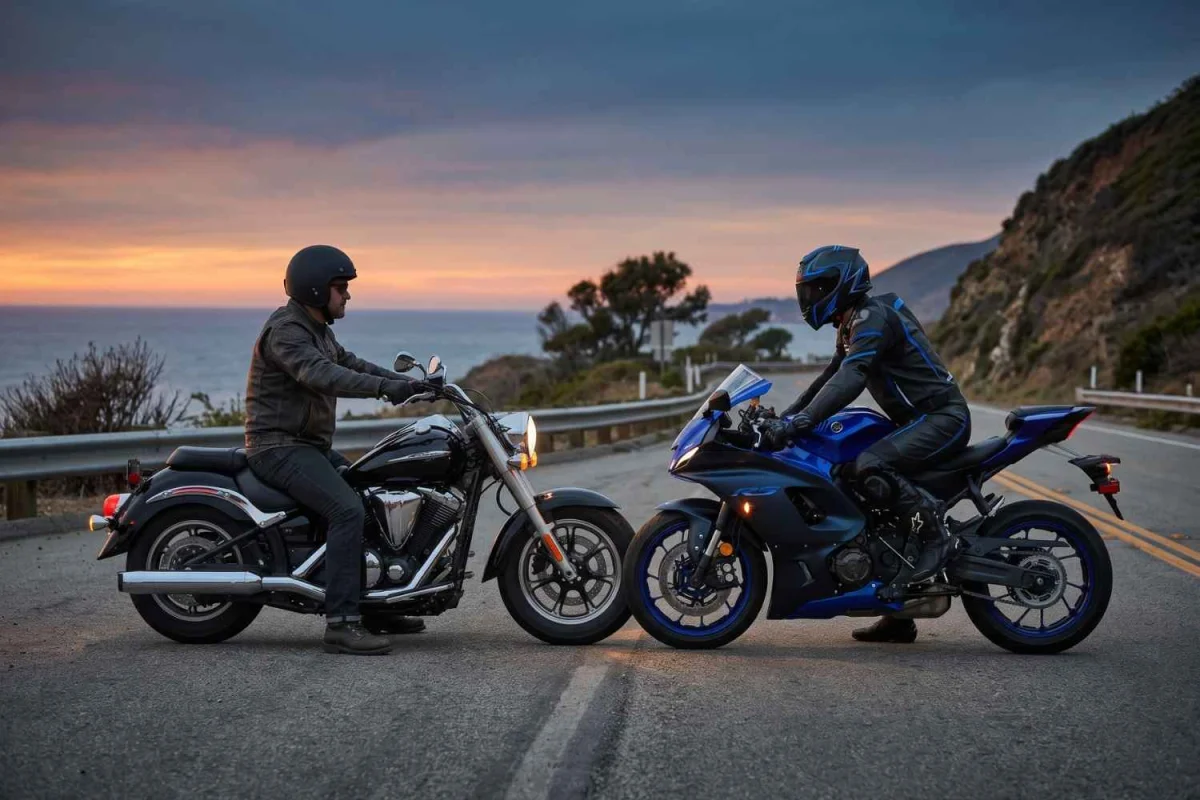
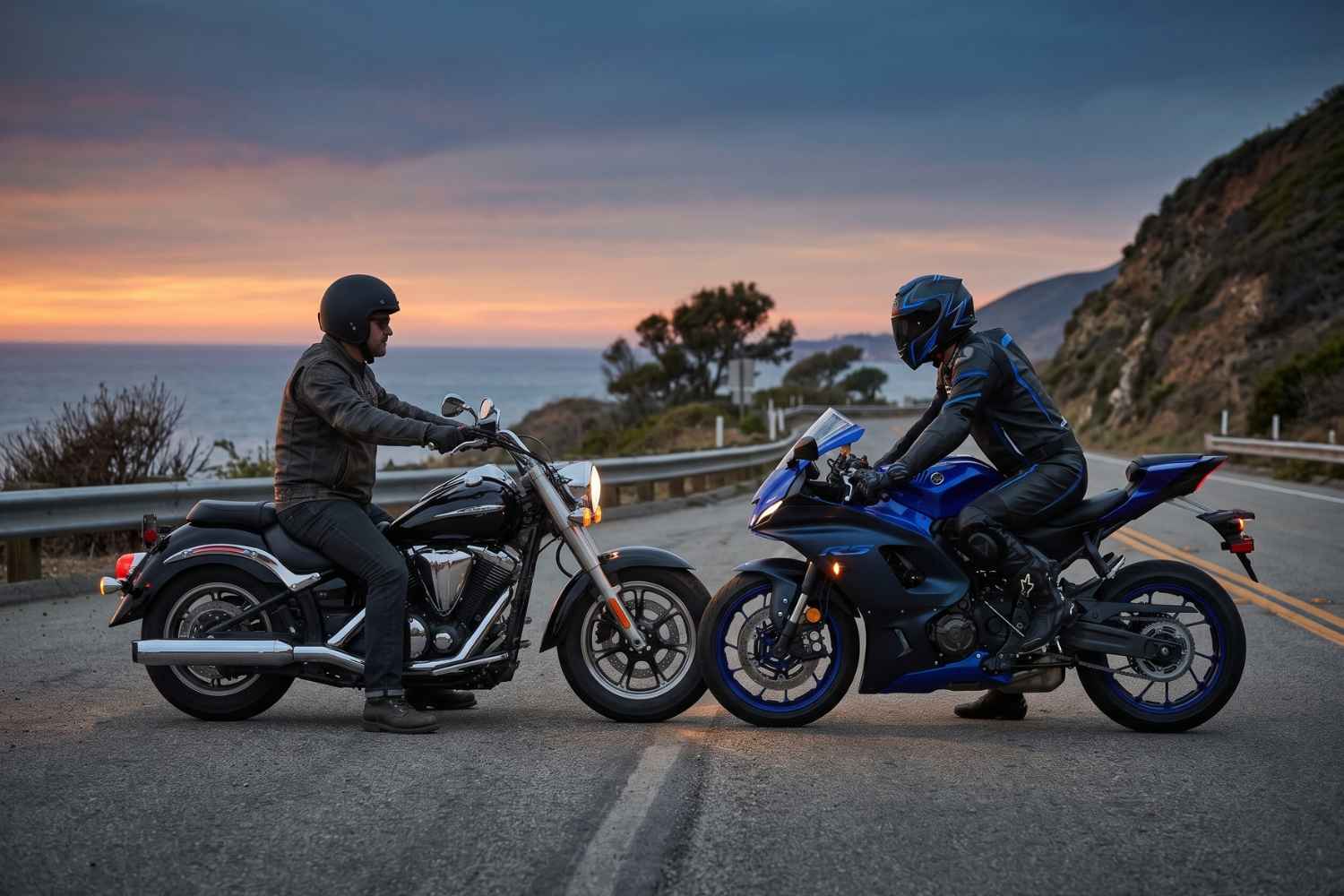
The style of motorcycle you choose can affect what it costs to insure, but there’s no single premium that applies to every cruiser or sportbike. Insurers assess the bike’s design, power and likely repair costs alongside details such as the rider’s history and licence class. In broad terms, cruisers can be less expensive to cover because their typical use and repair profile may present fewer costly risks than those of high-performance sportbikes.
That distinction matters when comparing bikes with different purchase prices. The sticker price is only one part of ownership: maintenance, day-to-day operating costs and insurance premiums also shape the long-term budget. A lower quote for one category can be a useful starting point, but the actual cost depends on the particular model and rider.
Why sportbikes can cost more to insure
Sportbikes are built for quick acceleration and agile handling. Insurers consider those performance characteristics when estimating risk, including the possibility of speed-related collisions. A bike’s power-to-weight ratio can therefore affect how it is classified and priced, even when two motorcycles have similar engine displacement.
Repair costs are another part of the calculation. Sportbikes often have painted aerodynamic fairings made from specialized plastic. A fall at low speed can crack or break those panels and damage the brackets beneath them. Replacing fitted, painted parts may make a seemingly minor incident more expensive to repair than damage to simpler components.
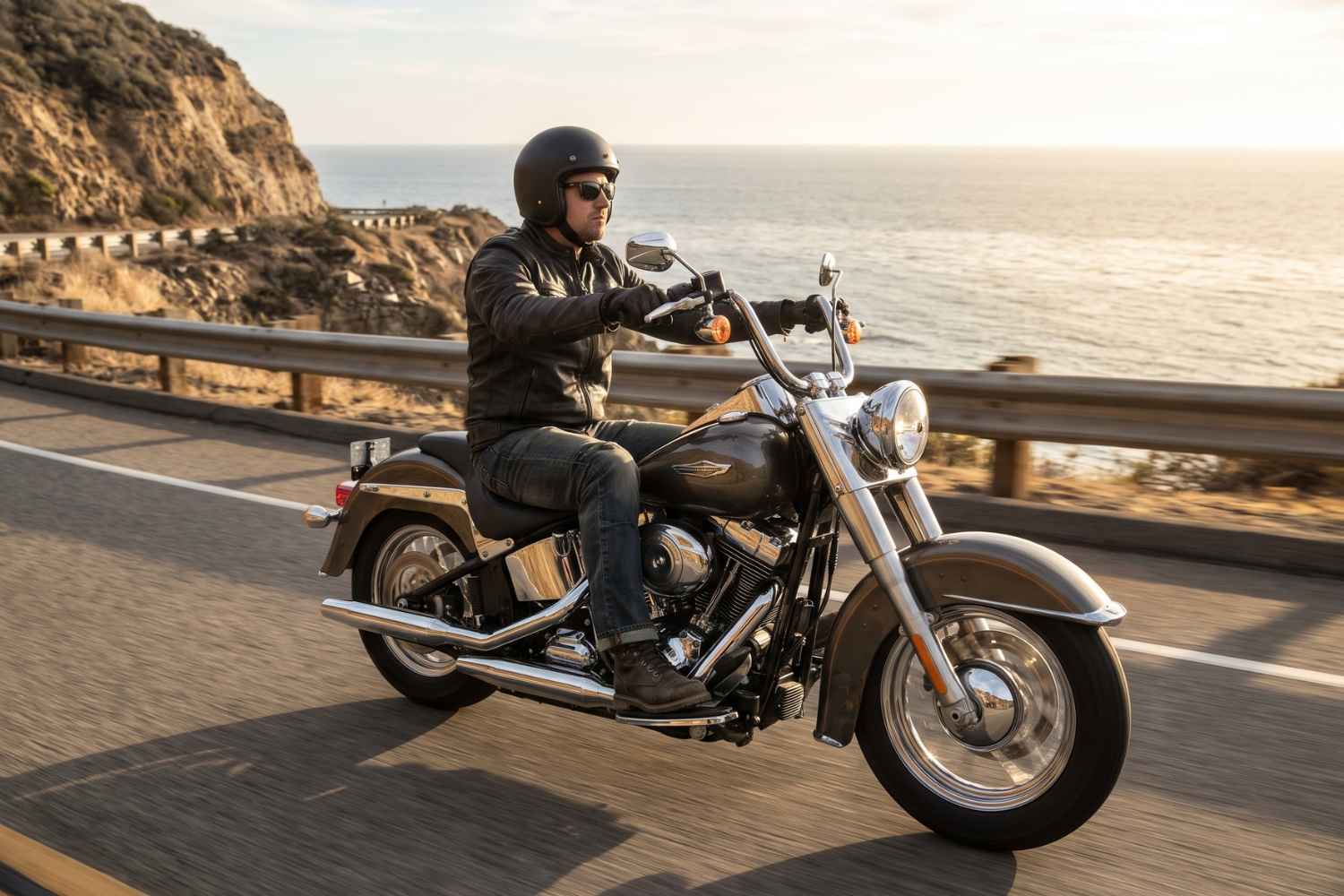
These factors help explain why sportbikes can be associated with higher insurance costs. They don’t establish what any individual rider will pay: insurers also weigh the exact motorcycle and the applicant’s circumstances.
How cruiser design can influence the price
Cruisers tend to have heavier frames and a lower center of gravity, features that can make them stable in ordinary riding. The source describes cruiser riders as more likely to travel at relaxed speeds, a pattern that may contribute to fewer high-speed collisions in the data insurers use. That lower-risk profile can translate into more affordable premiums compared with a track-focused machine.
Engine size alone doesn’t settle the comparison. A cruiser may have a larger engine than a sportbike, while delivering power differently. Cruisers often emphasize low-end torque; sportbikes can produce substantial horsepower from a smaller engine. Insurers may account for that difference when placing a motorcycle into a risk category.
For a buyer, the practical point is to compare the specific models under consideration. Two bikes that look similar on paper may have different performance characteristics, parts costs and insurance prices. A category-level rule of thumb can help narrow the search, but it can’t replace a quote based on the actual motorcycle and rider.
Modifications can change the calculation
Accessories and performance changes may affect both risk and coverage. Modifications to a sportbike that increase performance can move it further from its standard configuration and may complicate coverage options. Buyers should describe changes accurately when requesting a quote and check how the policy treats modified parts.
Cruiser owners may choose comfort and touring additions, such as upgraded seats, saddlebags or highway pegs. These changes don’t necessarily affect the risk assessment in the same way as performance upgrades, but their value and treatment under a policy can vary. It’s sensible to ask whether accessories are covered and whether they need to be listed separately.
Repair bills can shape claim decisions
Consider a motorcycle that tips over while parked. On a cruiser, damage might be limited to a scratched mirror or scuffed metal crash bar. Those parts may be relatively inexpensive to replace, so an owner might choose to pay for the repair without making a claim.
A sportbike dropped at the same speed could suffer damage to its fairing or mounting hardware. The resulting bill may be higher, making an insurance claim more likely. The comparison is an example, not a guarantee: the extent of damage depends on the model and how it falls, and the policy’s deductible and terms affect the owner’s decision.
Before comparing premiums, riders can gather the exact model details, their riding and claims history, licence class, and information about planned modifications. Those details help make quotes more useful. Riders in Ontario can compare options for their circumstances through the motorcycle insurance quote page, or contact the broker with questions about a particular bike.
The article was originally published as Cruiser vs. Sportbike: Which Insurance is Most Cost-Effective? by Riders Plus Insurance.