Level funding combines fixed monthly payments with potential refunds when claims run below budget. Practices seeking Jan. 1, 2027 coverage must apply by Nov. 13.

 A practice can have a quiet claims year and still face higher group health premiums at renewal. That gap between a team’s recent claims and the next year’s price is prompting some practices to consider level-funded health insurance, a structure that combines fixed monthly payments with the possibility of receiving money back when claims come in below budget.
TMA Insurance Trust offers level-funded coverage to practices as an alternative to traditional group health plans. The key change is how the plan handles a favorable claims year: instead of paying a fixed premium with no stated financial return tied to lower claims, an eligible practice may receive a refund if actual claims fall below the amount budgeted for the year.
What the monthly payment covers
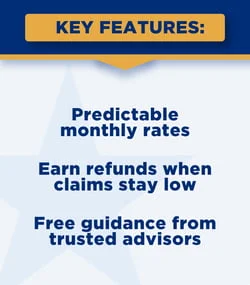
Level funding is designed to make the monthly outlay predictable. The practice pays one fixed amount each month, and the payment is capped, according to TMA Insurance Trust. The source describes rates as typically lower than traditional health insurance rates, though the comparison for any particular practice depends on its own quote.
The arrangement also includes stop-loss insurance in the rate. If claims run unusually high, that coverage absorbs the excess rather than leaving the business responsible for that amount, as the source describes it. This protection is a central part of the structure: the practice can share in a favorable claims result while having protection against unusually high claims.
The possible refund is conditional. It depends on actual claims coming in under the year’s budget, and the source says an eligible practice may earn money back. It does not state that every practice will qualify for a refund or specify how much a refund might be. Practices comparing options will want to understand the terms of the specific quote, including how the budget and refund eligibility are determined.
Comparing the options for a practice
A lower quoted monthly rate can make level funding worth exploring, but the rate alone won’t show whether the arrangement fits a practice. A useful comparison starts with the current plan’s costs and coverage, then looks at the proposed plan’s fixed payment, stop-loss protection and conditions for any potential refund. The source does not provide plan-specific rates or details about covered services, so those need to be confirmed during an individual review.
Recent claims experience may be relevant to a quote, but a quiet year by itself does not establish that a practice will receive a refund or pay less. The plan’s stated terms and the practice’s actual claims experience matter. Reviewing the full offer can help owners and benefits decision-makers understand what is predictable each month and which parts of the cost depend on claims.
Enrollment administration is another consideration. TMA Insurance Trust says practices can begin the quoting process without an upfront medical review hurdle. That may let a practice examine whether an alternative is available before asking employees to complete additional medical history forms. The source does not describe what information may be requested later in the process, so practices should ask about the steps and timing involved before making a change.
Review the current plan before deciding
A TMA Insurance Trust advisor can evaluate a practice’s current plan, compare rates and discuss which group health options may fit. The source says its advisors aren’t paid on sales-based commission and says they will explain the level-funded option if it makes financial sense, while also identifying when the current plan or another group option may be a better fit.
For a meaningful comparison, practices can gather their current plan information and renewal costs, then ask how the proposed monthly payment, stop-loss protection and possible refund work. They can also ask what the quote requires from the practice and its employees, and what deadlines apply. These questions help make the trade-offs clearer before enrollment paperwork begins.
Application deadline for Jan. 1, 2027 coverage
For level-funded coverage effective January 1, 2027, applications must be submitted by November 13, according to TMA Insurance Trust. The source says standard Open Enrollment deadlines do not apply to this coverage, making the stated application date important for practices considering a change for the start of the year.
Practices can call TMA Insurance Trust at 800-880-8181, Monday through Friday, 8:00 a.m. to 5:00 p.m. CST, to review their current setup and ask whether they may be eligible. The clearest next step is to compare the proposed terms with the plan already in place while allowing time to meet the November 13 application deadline.