Landlord insurance can cover rental buildings, liability and lost rent after insured damage. Coverage, exclusions and cost depend on the property and policy.
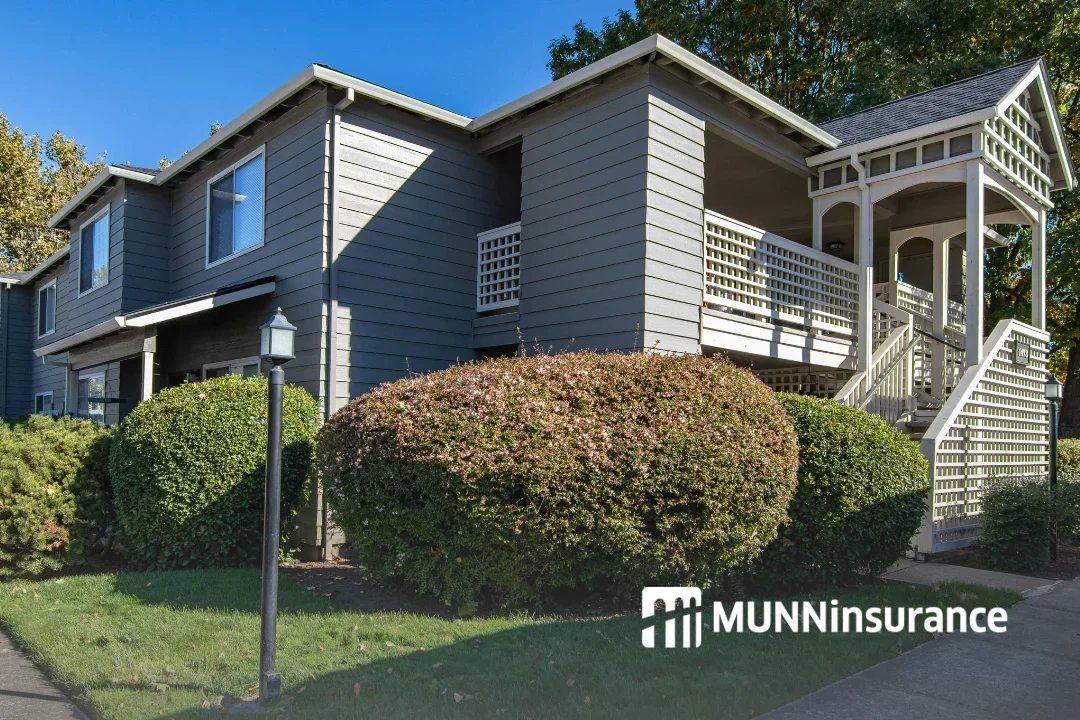
Renting out a home changes the risks an insurer needs to consider. For property owners in Newfoundland and Labrador and Nova Scotia, landlord insurance can protect the building, the owner’s liability and, in some cases, rental income after an insured loss. The details depend on the policy and how the property is used, so having insurance in place doesn’t by itself tell you what is covered.
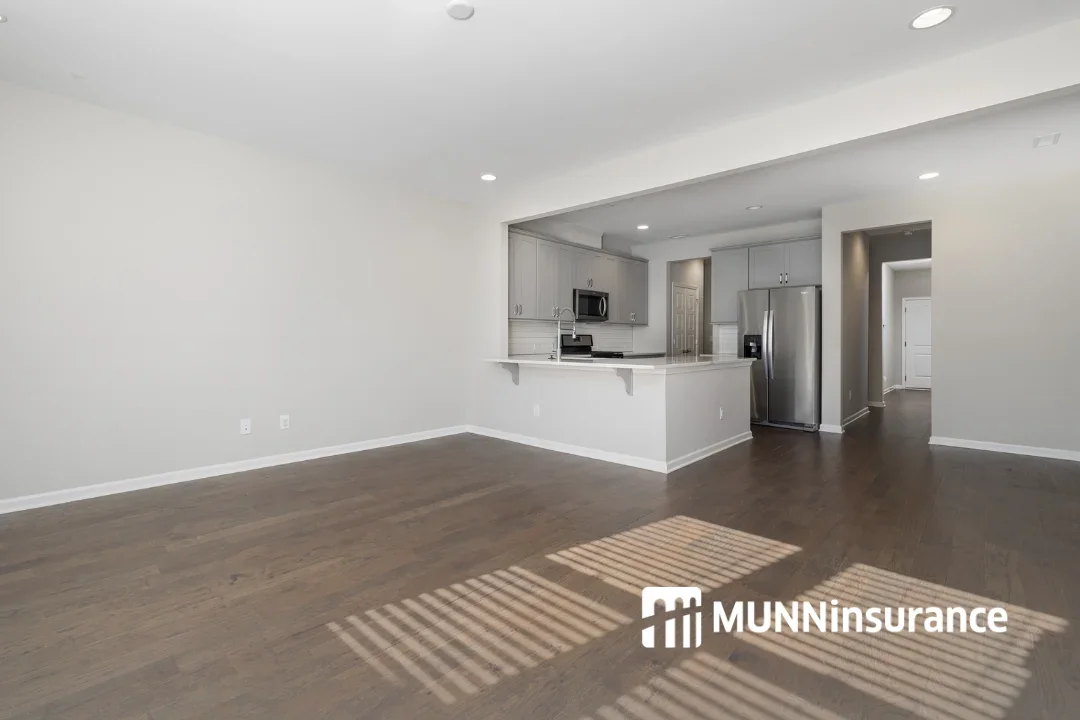
Why a rental needs different coverage
Home insurance is generally designed for a home its owner occupies. When tenants move in, the property has a different use, rental income may be at stake, and liability considerations change. Coverage arranged while you lived in the home may not fit once you rent it out.
This can matter if you move out and rent the property, buy a home as an investment, add a basement apartment or secondary suite, or live in one unit while renting out others. A change in how or to whom the property is rented can also affect the insurance needed. Tell your broker about the arrangement before tenants occupy the property.
Landlord insurance, also called rental property insurance, is intended for homes and other properties rented to tenants. Depending on the coverage selected, it may protect the main building, landlord-owned items at the property, detached structures, the landlord’s liability and rental income after certain insured losses.
What property and liability coverage can include
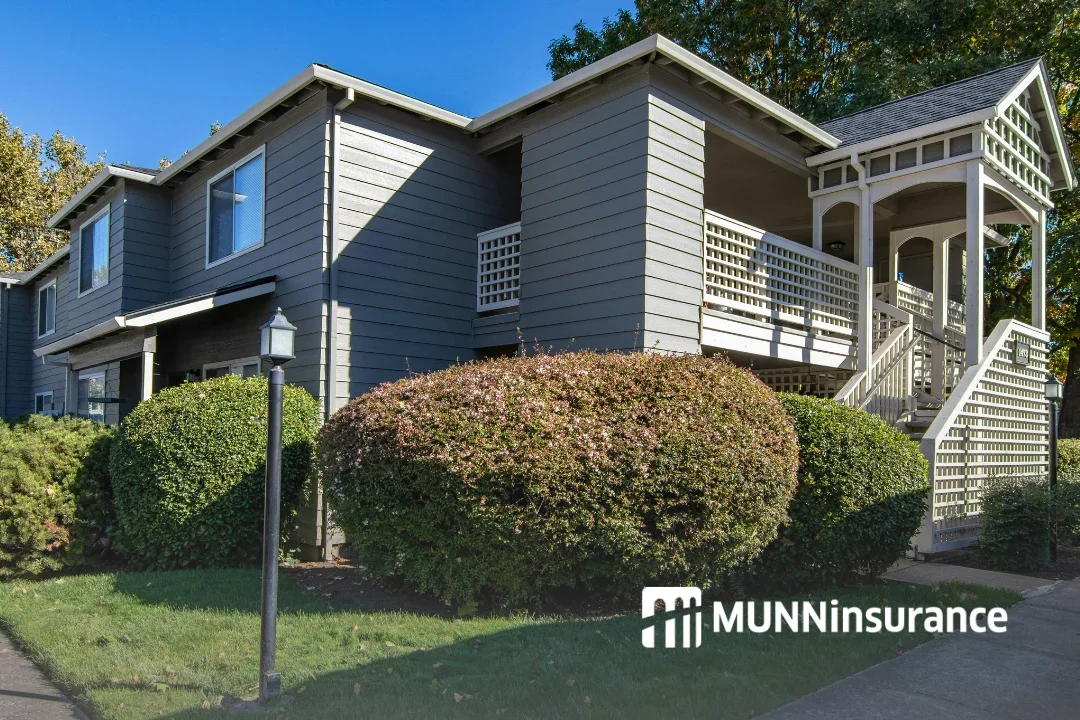
Building coverage is a central part of many landlord policies. If an insured event damages the rental, the policy may help pay for repairs or rebuilding, subject to its terms, limits and deductible. Possible covered causes include fire, smoke, wind, hail, lightning, some types of water damage, theft and vandalism. The list and the conditions vary, so coverage for one cause of damage on one policy doesn’t establish what another policy will cover.
Landlord-owned appliances, furnishings and other items may also be insured if a covered loss damages them. This can include a refrigerator, stove, washer and dryer, window coverings or furniture supplied with a furnished rental. The owner should describe those items to the broker so their presence can be considered when arranging coverage.
Liability coverage may help with legal costs and damages if a tenant or visitor is injured and the landlord is held legally responsible. Potential hazards include slippery walkways or steps, loose railings, unsafe stairs, poorly maintained decks, and falling ice or snow. The policy’s terms and limits apply.
Coverage for a detached garage, shed or other outbuilding may be included or available, depending on the policy. The broker needs to know about structures beyond the main building when assessing the property.
When lost rent may be covered
If a covered event, such as a fire, makes the property unfit to live in and tenants have to leave while repairs take place, the landlord may lose rental income while still facing costs such as mortgage payments and taxes. Rental income coverage can help replace rent for the period the property is uninhabitable after an insured loss, subject to the policy.
This coverage isn’t protection against a tenant who simply stops paying. Unpaid rent is commonly excluded, so landlords should distinguish between rent lost because insured damage prevents occupancy and rent that a tenant doesn’t pay.
Tenant damage, belongings and common exclusions
Damage caused while a tenant occupies the property may be covered when it results from an insured event. Other tenant damage may not be covered; neither may intentional damage or ordinary wear and tear. The response depends on the specific policy and insurer, so landlords should check the wording and ask about the treatment of tenant-caused damage.
Landlord insurance generally protects the property owner’s interests, not a tenant’s possessions. A tenant’s furniture, clothing, electronics, computers and jewellery aren’t usually covered by the landlord’s policy. Tenants can arrange their own tenant insurance for belongings and personal liability protection. Some landlords make tenant insurance a lease condition.
Other common exclusions include routine maintenance and repairs, such as worn flooring, aging shingles, chipped paint and old appliances. Insurance isn’t a substitute for maintaining the property. Water damage also needs particular attention: some types may be covered, while others may require added coverage or be excluded. Ask what the policy excludes before a loss occurs.
Renting part of your home or managing several properties
Owners who live in their home while renting a basement apartment, secondary suite or another unit should tell their broker how the property is used. The insurer may need information about the layout, number of units and tenants to assess the coverage required. An existing home policy shouldn’t be assumed to account for the rental exposure automatically.
Owners of houses, condos, duplexes, triplexes and other multi-unit buildings may all need landlord coverage. A single-family rental can have different requirements from a multi-unit building or a portfolio of properties. With several rentals, a joint review can help assess differences in building type, age, heating systems, coverage limits and renewal dates as the portfolio changes.
What shapes the price
There is no single cost for landlord insurance. Price can depend on the property’s location, building type, size and age; its number of rental units; construction and heating system; and the condition of the roof, electrical and plumbing systems. Renovations, rental use and occupancy, claims history, coverage options and the deductible can also affect the quote. Properties that appear similar may have different prices because their details differ.
For landlords in Newfoundland and Labrador and Nova Scotia, the useful starting point is a clear account of the property and how it is rented. Sharing changes in occupancy, added units, furnishings and outbuildings gives the broker information to discuss available coverage and its limits. Reviewing those details as a property or portfolio changes can help keep the insurance aligned with its use.