Connected knee implants can send recovery data to care teams, but patients may not know they received one, and evidence of clinical benefit remains limited.
A connected knee implant can collect information about a patient’s walking and joint movement for years. But patients may not realize they’ve received one, and the evidence that the added monitoring improves recovery remains limited. That gap between the promise of more data and the questions around consent, cost and privacy is at the center of disputes involving Zimmer Biomet’s Persona IQ implant.
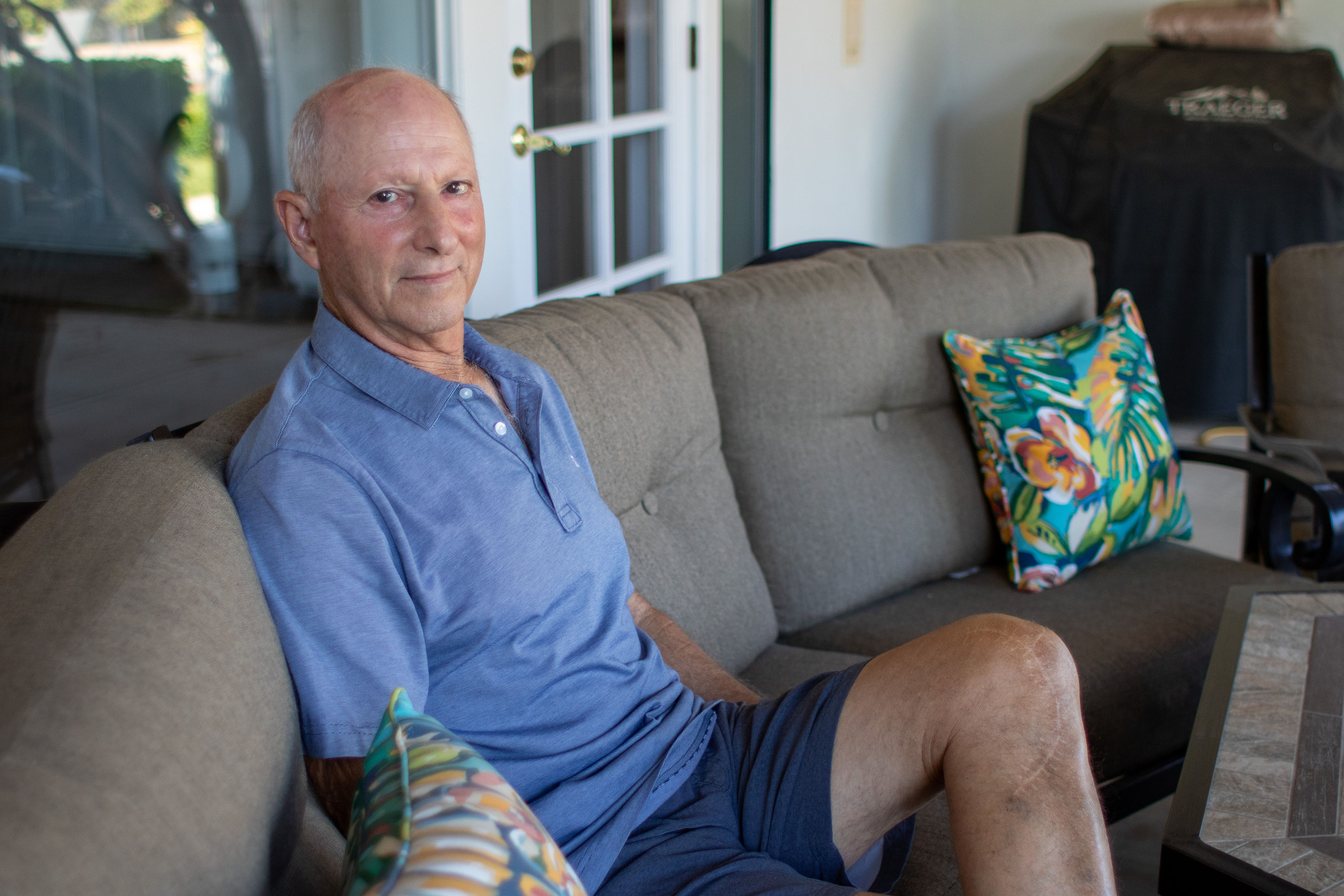
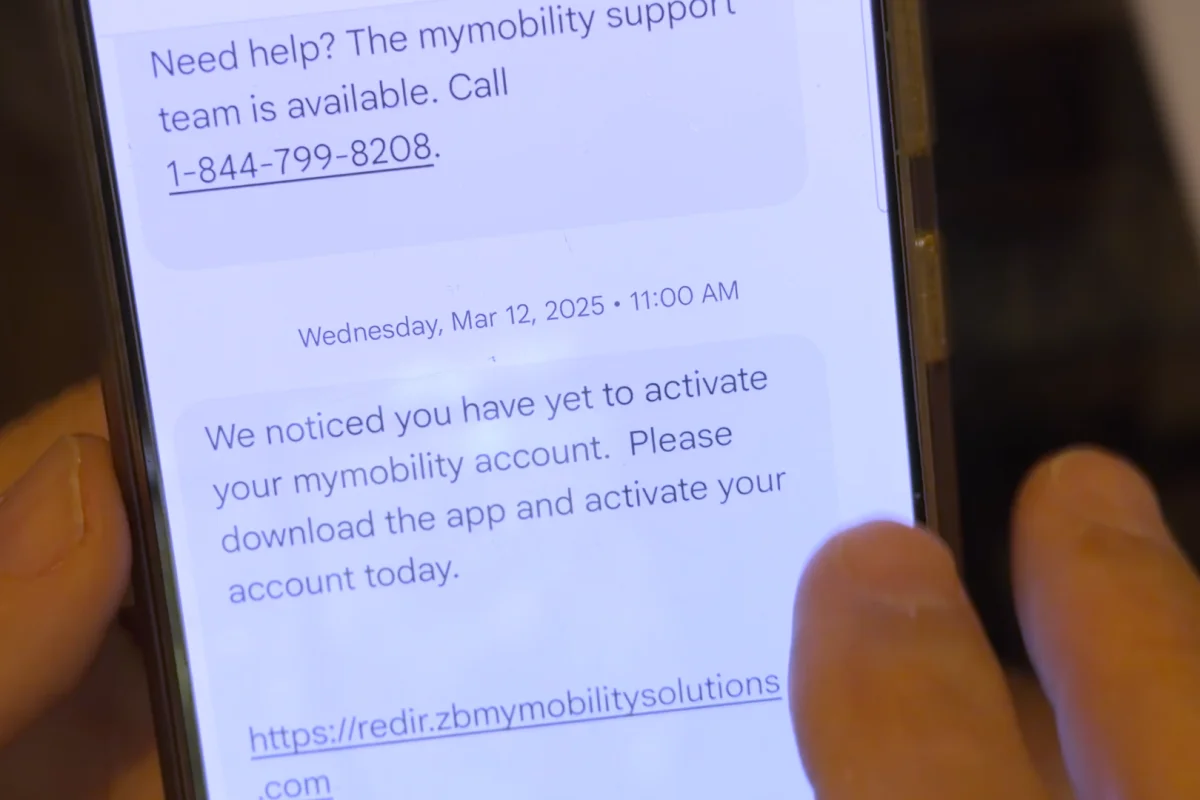
Steve Russak, 70, of Santa Rosa Valley, California, says he learned about the device only after his knee replacement surgery last year. He woke to text messages from Zimmer Biomet asking him to use an app. After several messages, a representative called to offer help setting up accessories. Russak said he didn’t understand what the company was asking him to do.
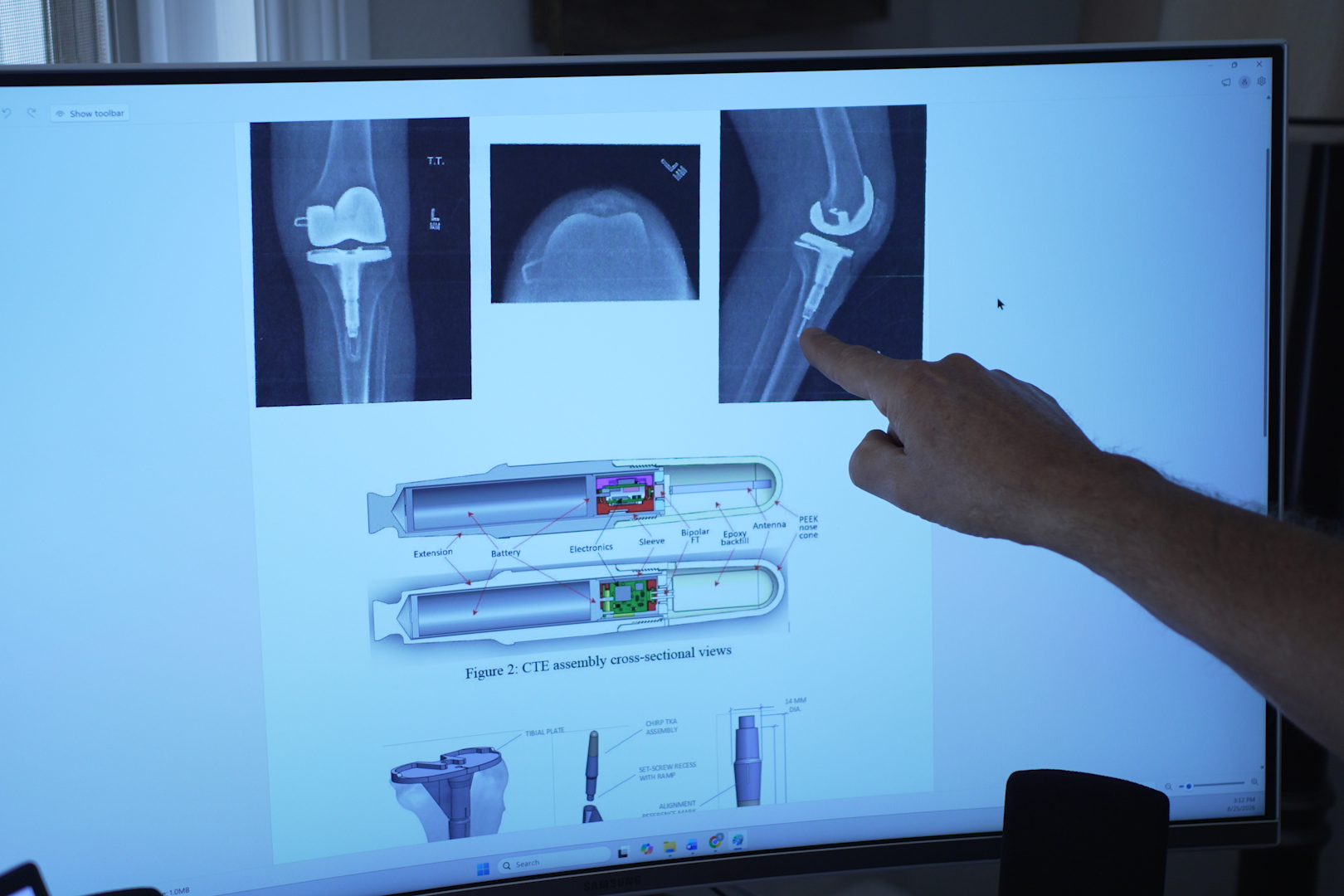
Persona IQ is an artificial knee joint with a lithium-ion battery, sensors and a transmitter. If a patient authorizes data transmission, it can send information about gait and range of motion to clinicians and Zimmer. Russak says he did not want to set up data collection, partly because of privacy concerns. He also says the implant has created practical difficulties: he recently couldn’t get an MRI because of compatibility issues.
Russak’s complaint alleges that implanting the device without his knowledge was unauthorized. He says Zimmer’s patient materials indicated he could decline data collection or the implant, but he wasn’t offered that choice. He continues to pursue claims that include lack of informed consent, though he has dropped fraud and breach of fiduciary duty allegations against his doctor.
The case is ongoing, with its next hearing scheduled for December. Russak’s doctor has not yet responded to the complaint in court. Zimmer and Canary Medical, which helped develop the implant, have denied the allegations in their initial responses and raised defenses that include attributing any damages to another party or to actions that were not reasonably foreseeable.
Canary did not respond to requests for comment. Zimmer spokesperson Troy Kirkpatrick declined to comment on the cases. He said nearly 90% of surveyed patients who received Zimmer joint replacements would choose an orthopedic device with remote monitoring capabilities again. He also said patients must authorize postoperative data transmission when setting up an account, and that the system is designed to support patient-surgeon relationships and care after surgery.
More monitoring, more questions
Persona IQ is part of a wider expansion of connected medical devices, from implants to external monitors such as blood pressure cuffs. These products can send measurements to clinicians, potentially giving care teams a clearer view of a patient’s condition between appointments. For example, monitoring can reveal when a patient’s glucose is moving out of control.
The case for these devices depends on whether the incoming data changes care in a useful way. Sanket Dhruva, a cardiologist and digital health researcher at the University of California-San Francisco, sees substantial potential in remote monitoring, but says stronger evidence is needed to show whether it helps patients recover better. Collecting information is not the same as demonstrating a health benefit.
There is also a payment incentive. Medicare and private insurers reimburse clinicians for reviewing data from connected devices through remote patient monitoring. Nearly 1 million Medicare beneficiaries received that service in 2024, and Medicare paid providers $536 million for it, more than twice the amount paid three years earlier. About 300,000 adults with employer-sponsored insurance had at least one remote monitoring claim in 2023, according to a Peterson-KFF Health System Tracker analysis.
Those payments have drawn scrutiny because the service is supposed to include more than handing someone a device. It includes educating the patient about how to use it and monitoring the data for changes in health. In 2024, about 43% of patients did not receive the full set of services, according to an inspector general review. The review also warned that some companies cold-call people to offer devices and enroll them, even when they may not need the service. Medicare has proposed reducing some payments.
Payment for a device or monitoring service should not be read as proof that it improves outcomes for every patient. A spokesperson for the Centers for Medicare & Medicaid Services said the agency evaluates its payment policies regularly and that reimbursement does not mean it endorses a manufacturer’s marketing claims. Russak’s Medicare account shows payment for his surgery and implant, but no remote monitoring claims: he never set up the device to transmit data.
Monitoring can also create consequences beyond the clinic. ProPublica reported in 2018 that insurers reviewed data from continuous positive airway pressure machines and, when they determined that some patients weren’t using the machines, denied coverage for replacement supplies such as masks. That example illustrates why patients may want to understand what is collected, who can see it and how the information could affect access to care or supplies.
Zimmer sells both connected and conventional knee joints. Its Persona IQ device was introduced in 2021 as the first FDA-approved smart knee. The company also markets the implant as a way for care teams to monitor and personalize a patient’s experience and improve practice efficiency. But Zimmer’s product information says the implant is not intended to support clinical decisions and has not been shown to provide clinical benefit. The company’s materials also describe possible financial rewards for surgeons, including ongoing payments for remote monitoring.
What the research does—and doesn’t—show
Kevin Bozic, an orthopedic surgeon who chairs surgery and perioperative care at the University of Texas-Austin, reviewed research on the smart knee after Zimmer shared studies. He said none of them compared Persona IQ with a conventional knee implant. The surgeons he knows are ambivalent about the connected devices, and many don’t use them.
The data could still offer a useful signal. If someone’s activity falls or their joint’s range of motion changes, that information may prompt a care team to check in. But Bozic said clinicians already ask patients to report changes in their health and routinely follow up after surgery. He described the monitoring as a “nice-to-have,” not a necessity, and questioned whether it should add significant cost to a procedure.
Medicare has also offered a temporary new technology add-on payment that can help cover the cost of adopting certain devices. The extra payment for Persona IQ ended in fall 2024. The payment program’s rules changed over time; for a period beginning in late 2020, qualifying technology did not have to show substantial improvement over older devices or treatments. A 2025 study found that the average number of newly approved therapies per year rose from four in the nearly decade before that change to nearly 15 per year in the next four fiscal years.
Dhruva says temporary subsidies can have effects beyond the period when they apply. Medicare payments for procedures are based on average costs, so a subsidy that raises a procedure’s cost can also raise the cost baseline used in later payments. He sees a similar evidence problem in remote monitoring: taxpayers are paying for services whose value, particularly for smart knees, has not been established with rigorous data.
Consent and information use
Russak’s experience is not the only dispute involving Persona IQ. Jodi Murphy, in Contra Costa County, California, filed a complaint against Zimmer, Canary and her doctor after receiving the implant and being registered to use Zimmer’s app. Her complaint alleges that the device and its data functions were not disclosed and that she did not give specific informed consent.
Murphy’s doctor and practice denied the allegations. Zimmer’s attorneys argued that the company does not practice medicine and had no duty to obtain consent for treatment provided by her physician. A hearing is scheduled for February. Murphy and her lawyer declined to comment, and her doctor did not respond to requests for comment.
Russak’s complaint also alleges that his doctor said he had not explained the implant’s electronic features, wireless transmission or data collection to earlier patients who received the same device. Russak believes the companies did not adequately train doctors. That claim remains an allegation; the case has not resolved the parties’ competing accounts.
Health data privacy lawyer Kate Black, who is not involved in either case, says patients may not understand what information is collected, how it is used or with whom it is shared. She argues that consent standards should be high for an implant that may remain in the body for years. A connected wearable can be removed; an implanted joint raises a longer-term question about how patients manage the technology and its limits.
For patients considering joint replacement, the practical takeaway is to ask whether a proposed implant is connected, what information it collects, whether transmission is optional, who receives the data and whether the device could affect access to imaging such as an MRI. Clinicians and device makers, meanwhile, face a basic test: show that the added monitoring improves care enough to justify its cost and make the choice clear before surgery. Until stronger evidence emerges, the value of a smart knee appears to depend as much on transparent consent and useful follow-up as on the data it can collect.