Actions in January 2025 affected ACA enrollment support, Medicaid access, drug-cost initiatives and medical research funding.

The health coverage changes made in January 2025 touched several parts of the system at once: Affordable Care Act (ACA) enrollment assistance, Medicaid payment access, prescription drug initiatives and research funding. For people who rely on coverage programs, the practical effects depend on which action was implemented and how it affected their state or plan.

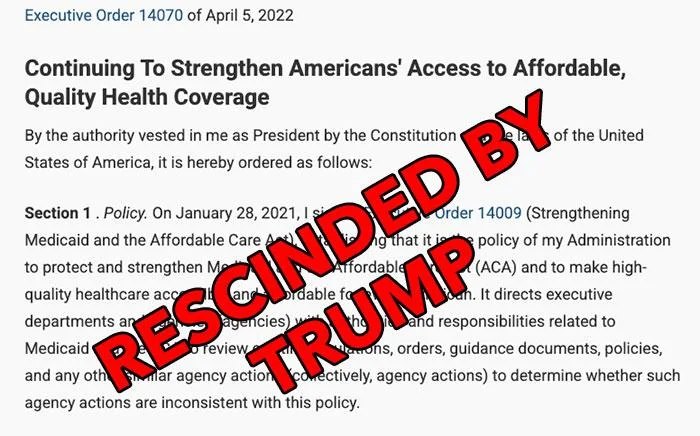
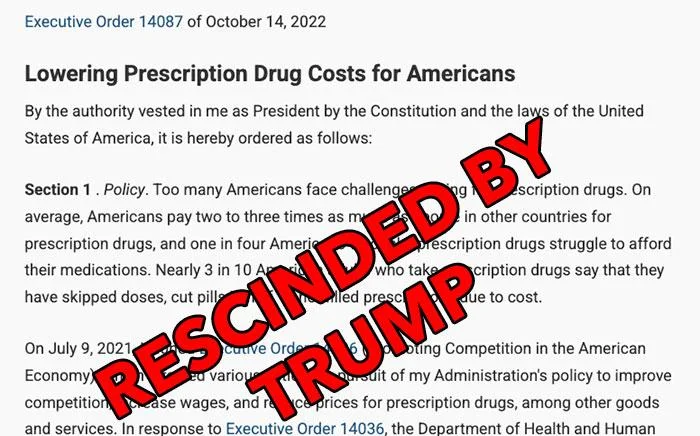
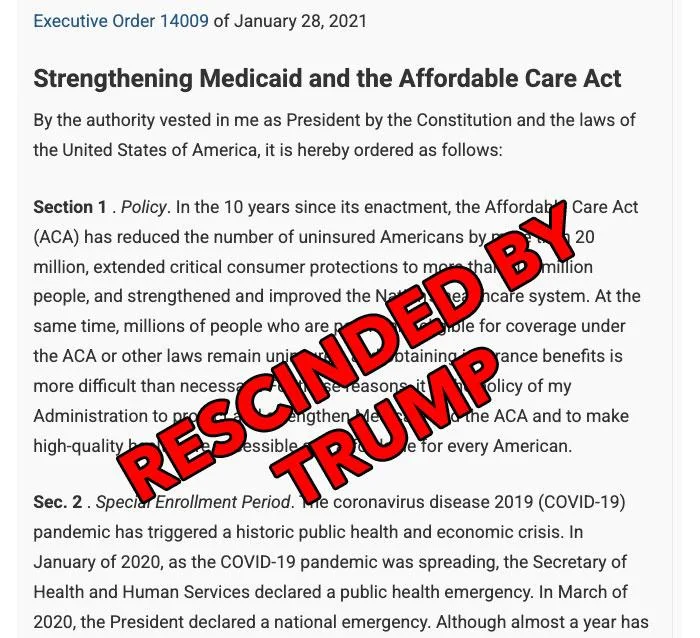
A set of actions on January 20 revoked earlier directives related to coverage access and costs. One directive had asked agencies to identify ways to expand access to affordable coverage and help people enroll. Another had instructed the health secretary to prioritize Medicaid and ACA access and affordability. Revoking those directives removed federal instructions that had framed enrollment assistance and coverage expansion as priorities; it did not, by itself, specify a new coverage rule for every enrollee.
Enrollment assistance is one area to watch. The revoked ACA directive had supported longer enrollment periods in most states and additional funding for third parties that help consumers sign up. Stat reported that ACA enrollment had reached about 24 million under the earlier measures, with increased subsidies accounting for most of the gains. That distinction matters: enrollment support can help people find and complete applications, while subsidies affect what eligible consumers pay for premiums. The two tools work differently, and a change to one does not establish what will happen to the other.
People choosing coverage should check the enrollment dates and assistance available in their state rather than assume that the prior arrangements continue unchanged. Those already enrolled can review plan notices for any stated changes to premiums, benefits or eligibility. The actions listed here do not provide individual plan terms or establish whether a particular person’s costs changed.
Medicaid access and payment uncertainty
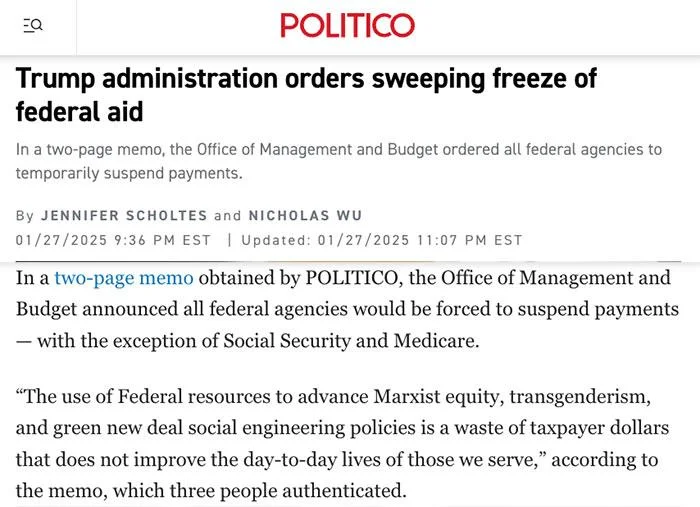
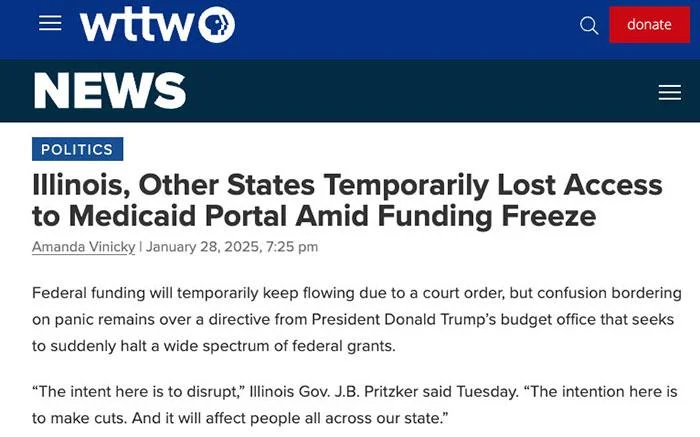
A January 27 freeze on federal financial assistance created immediate uncertainty for programs and services, even though Medicare and Social Security were excluded. The reported effects included billions of dollars in grants and possible disruptions to Medicaid services and ACA premium subsidies. All 50 states were briefly unable to access their Medicaid portals, leaving payments uncertain during the disruption.
That portal interruption is significant because states use the systems to manage Medicaid operations. A temporary loss of access can complicate routine administration even when the underlying coverage rules have not been changed. The account of the freeze describes a short period of disruption and uncertainty; it does not establish that every Medicaid service stopped or that every enrollee lost coverage.
For Medicaid members, the useful next step is to pay attention to communications from the state program and care providers, especially if an appointment, prescription or service is affected. Providers and program administrators may need to confirm whether a specific payment or authorization was delayed. The material here does not identify a lasting interruption or a state-by-state outcome.
Drug costs and health research
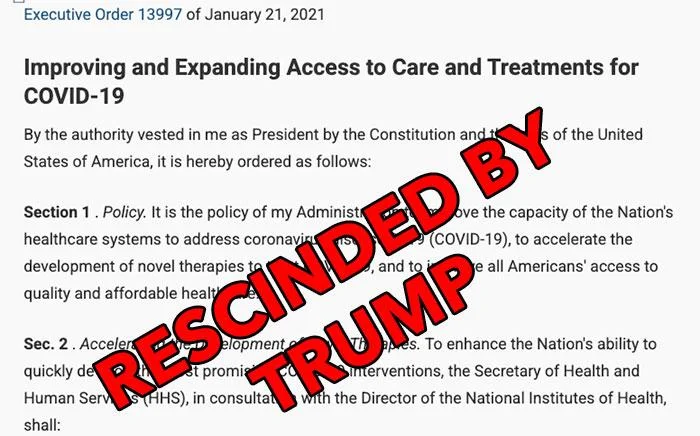
Also on January 20, a directive aimed at reducing prescription drug costs for people enrolled in Medicaid or Medicare was revoked. It had called for analysis of new payment models. The action removed that instruction to study possible approaches; it does not give a replacement model, a new price, or evidence that drug costs changed immediately. For people filling prescriptions, the relevant details remain the terms of their coverage and any notices from their plan or pharmacy.
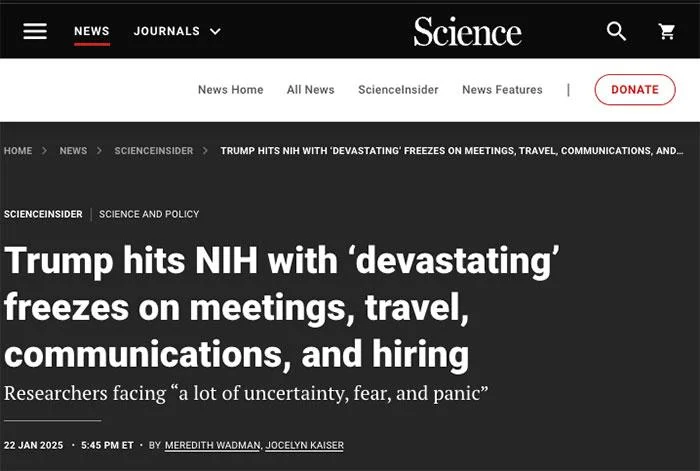
Another revoked directive had asked the health secretary to develop a plan supporting new studies into treatments for future health threats. Two days later, the National Institutes of Health (NIH) faced a communications and hiring freeze, new restrictions and a halt to grant funding for medical research described as lifesaving. These actions affect the research environment and the capacity to pursue studies, but the available details do not quantify how many projects or patients were affected.
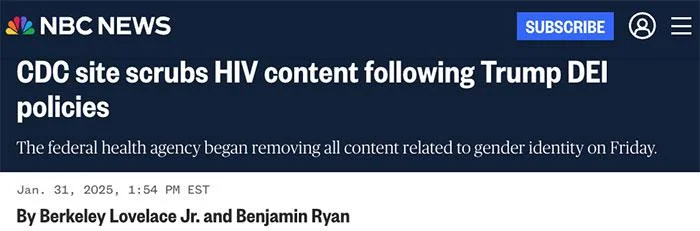
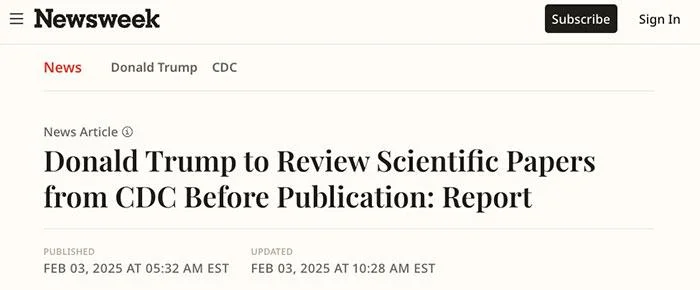
On January 31, multiple Centers for Disease Control and Prevention (CDC) websites and datasets concerning HIV, youth health behaviors and LGBTQ+ health were removed. On February 3, the CDC was ordered to withdraw research from publication and bar terms relating to pregnancy or gender from future research. For health professionals and people seeking information, the immediate issue is whether relevant data and research remain accessible. The details provided do not identify replacement datasets or explain how individual care decisions should change.
Other coverage-related actions
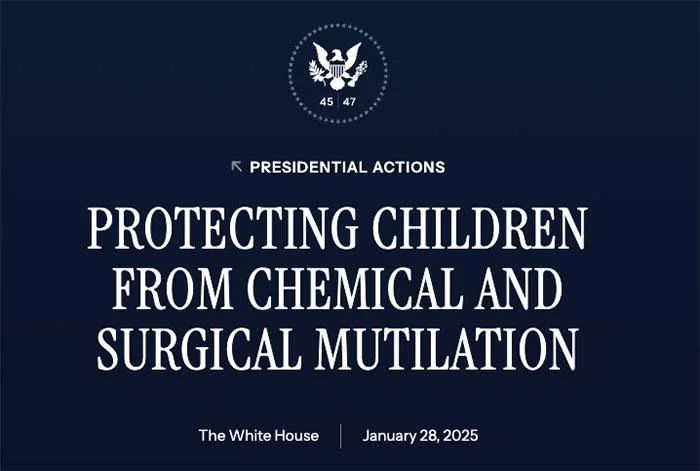
A January 28 directive concerning gender-affirming care for people 19 and younger threatened the loss of Medicare and Medicaid funding for providers offering that care. It also addressed patient privacy protections. The stated action could affect providers and patients who rely on those programs, but the material here does not explain how the threat was applied in each state or describe the resulting coverage decisions. Patients should confirm coverage and privacy terms directly with their provider and health plan.
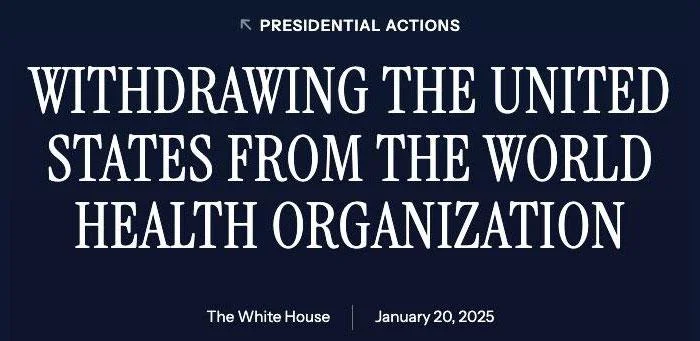
On the first day in office, an order also withdrew the United States from the World Health Organization. The listed coverage actions do not describe a direct change to an individual insurance contract arising from that move, so its significance for policyholders cannot be determined from these details alone.
Taken together, the January actions changed priorities, interrupted access to administrative systems and constrained some research activity. Their effects vary by program and by the way each measure was carried out. The clearest practical signal for consumers is to verify current enrollment dates, benefits and payment status with the relevant plan or state program, and to keep records of notices when care or coverage is delayed.