Keeping motorcycle insurance active through Ontario winters can protect stored bikes and avoid a spring restart delay. Check how your policy handles storage risks.
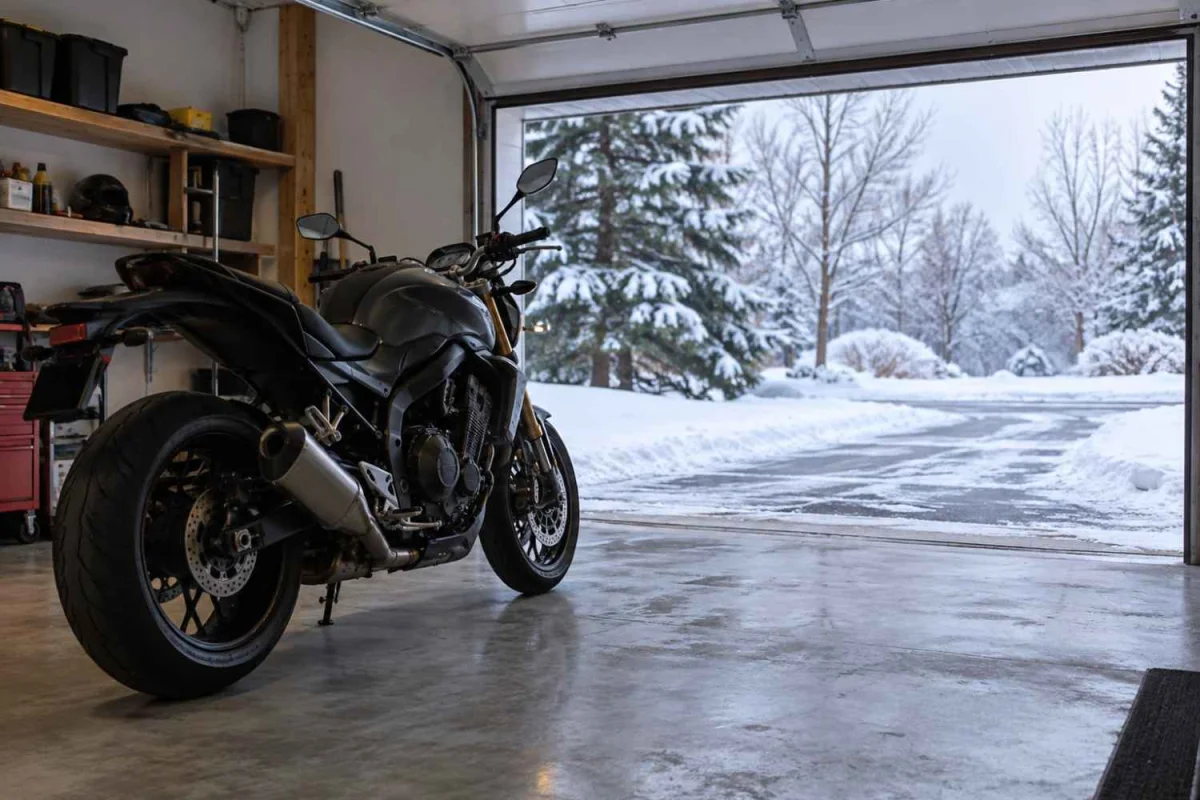
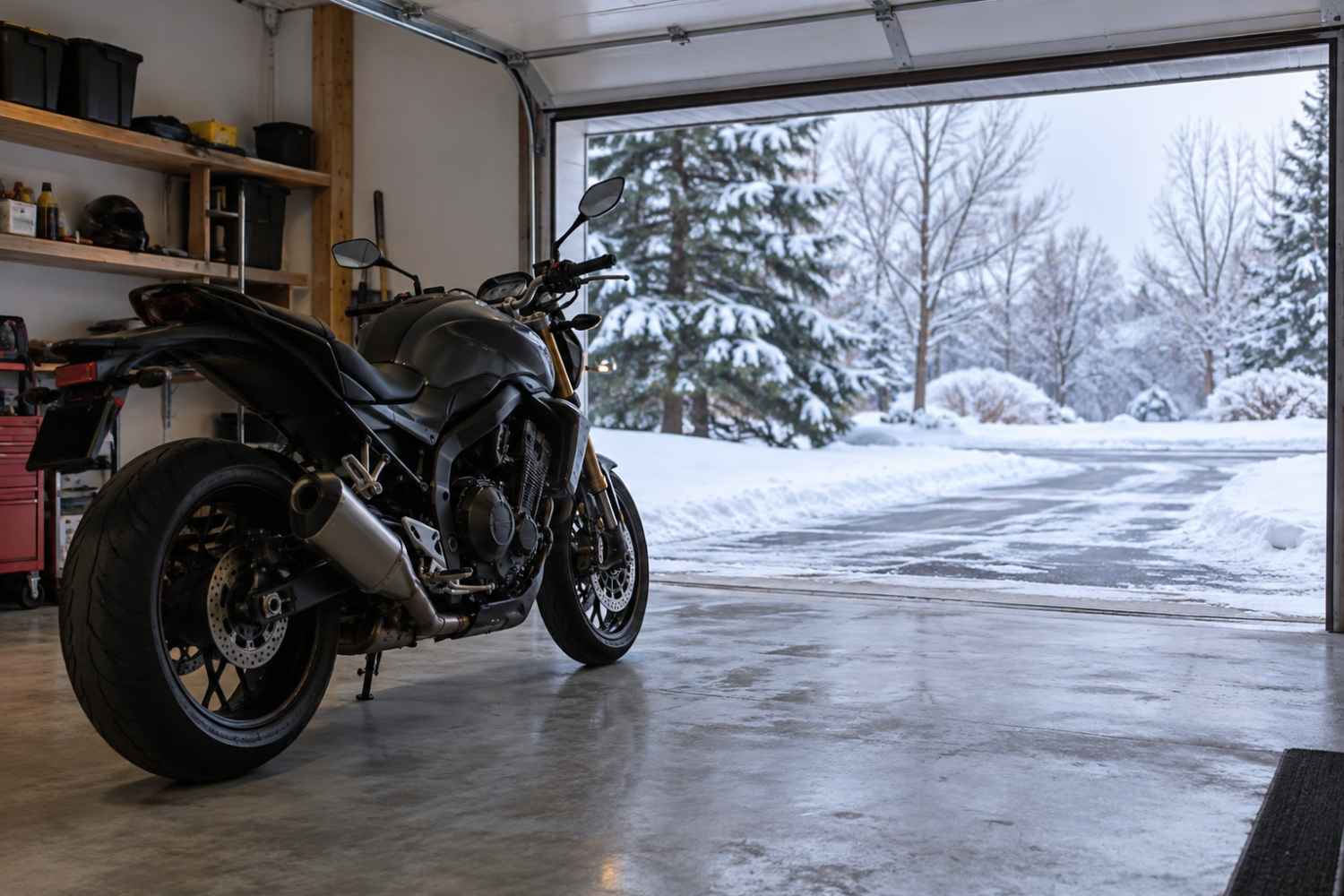
When Ontario’s riding season ends, cancelling motorcycle insurance may look like an easy way to trim winter expenses. But a stored bike still faces risks, and the savings from stopping a policy can be smaller than expected. The practical question is what protection continues while the motorcycle is parked, and what costs or delays could follow if coverage is cancelled and later restarted.
Premiums are often paid monthly for convenience, while the total price reflects coverage across the year. The source describes insurers as accounting for Ontario’s seasonal riding pattern when setting annual motorcycle premiums. As a result, cancelling in late fall may not produce a large refund: much of the annual cost may already reflect the higher-risk riding months. The amount returned, if any, depends on the contract and cancellation terms, so riders should check those details rather than assume winter payments can be recovered in full.
A parked motorcycle still faces losses
Putting a motorcycle away stops road exposure, but it doesn’t remove the possibility of damage or theft. A garage or storage unit can be affected by fire, a roof collapse under heavy snow, water leaks or a break-in. The bike can also be damaged by an accidental bump from a vehicle, a dropped tool or other activity in a shared storage area. Some repairs may involve specialized parts, which can make even damage to a stationary motorcycle costly.
Whether a particular loss is covered depends on the policy’s terms, limits and exclusions. Riders should confirm which protections apply while the bike is stored and whether they need to take specific steps, such as notifying their insurer about seasonal storage. It’s also useful to ask how a deductible applies and whether the policy treats theft, fire, weather damage and accidental damage differently. A policy that remains active does not automatically mean every event will be covered.
That distinction matters when comparing the cost of keeping coverage with the potential expense of an uncovered loss. A bike can remain a significant asset through months when it isn’t being ridden. Its storage location, the security measures in place and the protection included in the contract all affect the owner’s exposure. Reviewing those details before winter storage gives riders a clearer basis for deciding whether to maintain their current coverage or ask about an adjusted arrangement.
Coverage needs change with the seasons
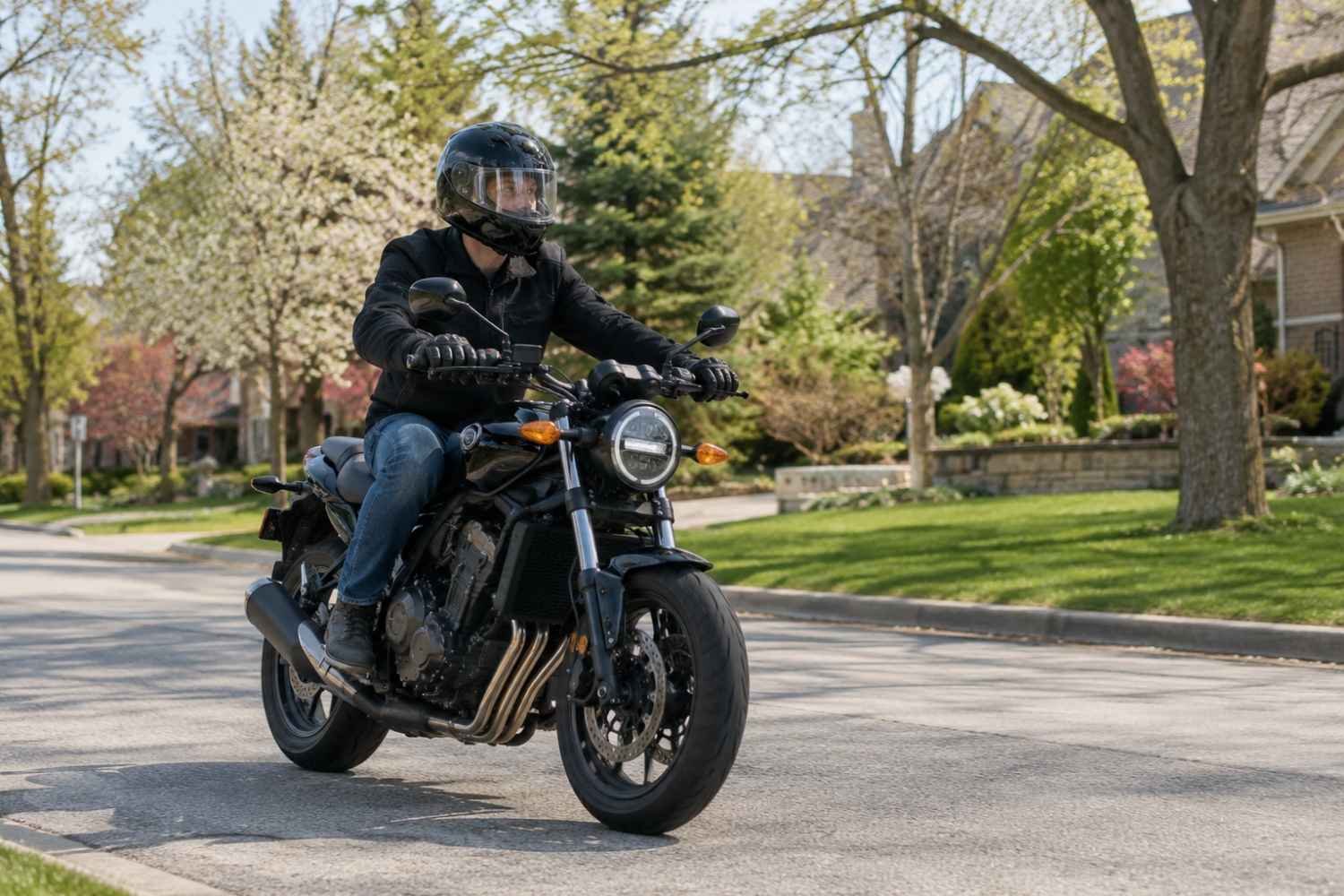
Continuous insurance can serve different purposes over the course of the year. In spring, riders may want their protection ready when weather and road conditions permit a return to riding. During summer, the motorcycle is in regular use and faces the risks associated with travel and collisions. In fall, wet leaves and earlier sunsets can affect riding conditions, while warmer days may still bring opportunities to ride. Winter shifts the main concern toward the risks that remain while the bike is stored.
Some coverage, including protection related to riding and accidents, may not operate in the same way when a motorcycle is off the road. The exact combination depends on the contract. Riders can ask their insurer which parts of the policy remain active during storage, whether any changes affect the premium, and what needs to happen before the bike is used again. Those answers are more useful than assuming that a standard annual policy works identically in every season.
Maintaining a policy may also make the spring transition simpler. A cancelled contract can require a new application or review before coverage starts again. The source notes that insurers may face a rush of applications when the first warm weather arrives, which can create delays. Riders who keep coverage in place may avoid having to arrange a restart at that point. They should still confirm that the policy is active and suitable before riding, especially if the motorcycle or its use has changed.
Check the terms before cancelling
A gap in insurance history may affect the price or terms offered when a rider applies again. The source says underwriters may view uninterrupted coverage favourably and that a winter cancellation could contribute to higher premiums on reapplication. That outcome isn’t guaranteed, and the effect will depend on the insurer and the rider’s circumstances. Ask how a cancellation would be recorded and whether the insurer offers a seasonal adjustment that keeps some protection in place.
Before storing a motorcycle, review the cancellation rules, any refund calculation, storage coverage, deductibles and exclusions. Keep a record of the bike’s condition and storage arrangements, and ask what documentation would be useful if damage or theft occurs. If the policy needs to change, confirm the effective date and the protection that will remain in force.
Winter costs are only one part of the decision. The size of any cancellation refund, the risks at the storage site and the process for restarting coverage all matter. A direct conversation with the insurer, backed by a review of the written terms, can help riders understand those trade-offs before the bike goes into storage.