Fleet insurance is crucial for businesses with multiple vehicles, offering extensive coverage and savings. Learn how it benefits your company and what to consider.
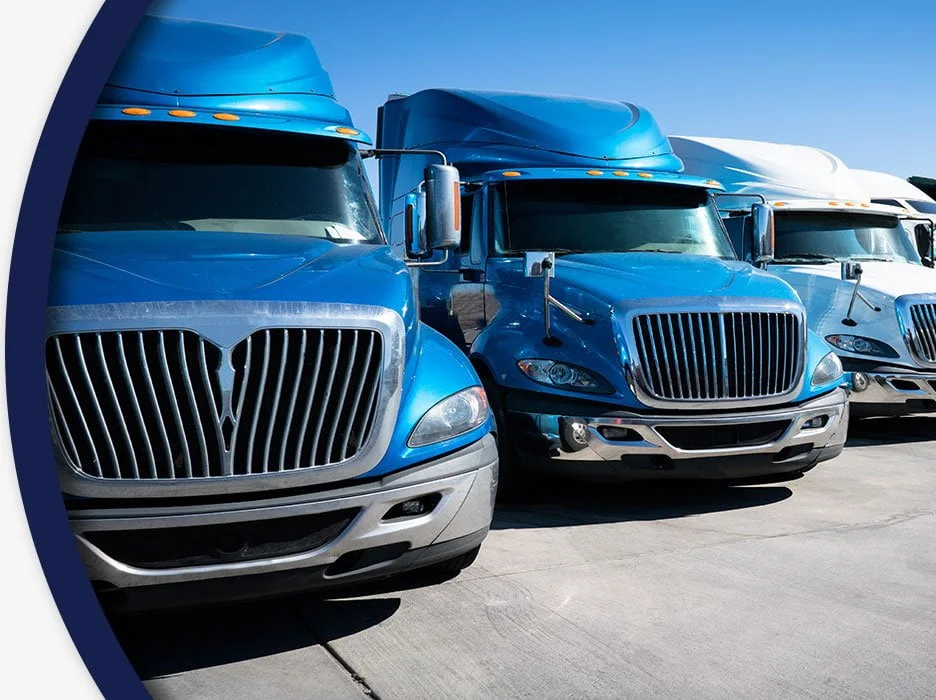
Many business owners may overlook the need for fleet insurance, especially if they assume their personal car insurance will suffice for commercial use. However, most personal policies do not provide coverage for vehicles used for business purposes. Fleet insurance is an essential financial safeguard for companies that need to keep their vehicles and drivers insured and operational. This article outlines what fleet insurance is, how it differs from commercial vehicle insurance, and its many benefits and drawbacks, helping you determine the right coverage for your business needs.
What is Fleet Insurance?
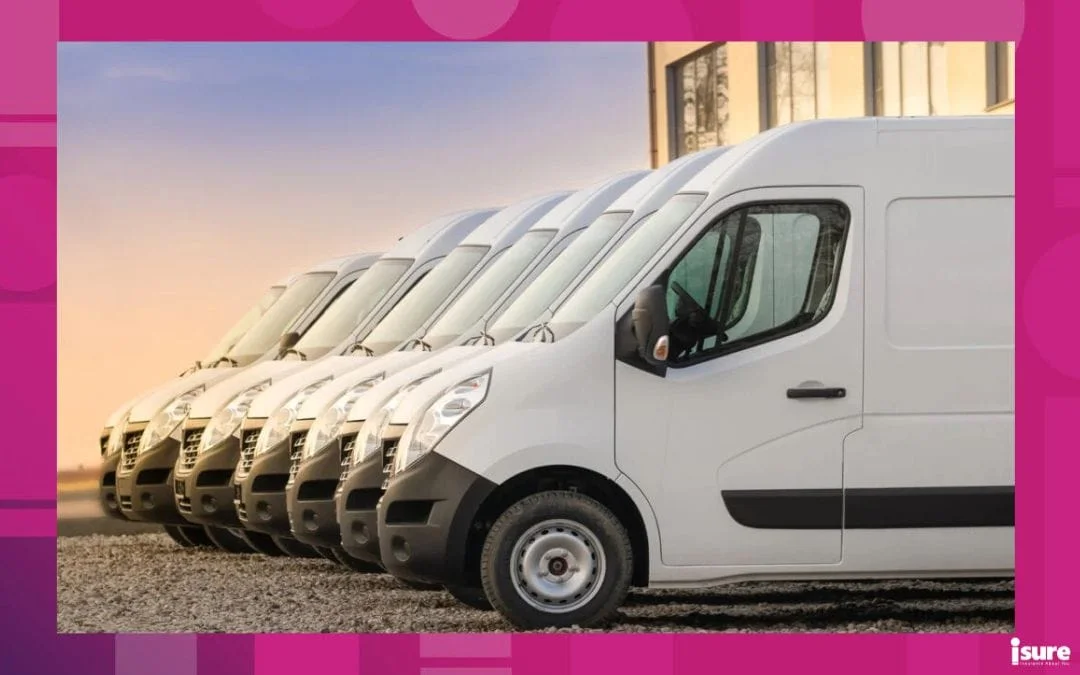
Fleet insurance is designed for businesses that operate multiple vehicles, such as car rentals, taxis, delivery services, and construction companies. While traditionally associated with larger companies, any business with more than a couple of vehicles should consider this type of insurance. Fleet insurance allows you to cover all your vehicles under one policy rather than obtaining individual policies for each vehicle. This includes various vehicle types, such as vans, cars, trucks, and HGVs (heavy goods vehicles).
With a fleet insurance policy, it's the vehicles that are insured, not the individual drivers. This arrangement provides significant flexibility, enabling businesses to assign different drivers to vehicles as needed without the hassle of modifying individual policies. If a driver is unavailable, another can be quickly assigned to their vehicle, ensuring operational continuity. In essence, fleet insurance streamlines coverage for businesses, often resulting in cost savings compared to insuring vehicles separately.
Fleet Insurance vs. Commercial Auto Insurance
Understanding the distinction between fleet insurance and commercial auto insurance is crucial for business owners. While both cover vehicles used for business purposes, the key difference lies in the number of vehicles being insured. Commercial auto insurance is typically for a single vehicle or a few vehicles. In contrast, fleet insurance usually applies when a business operates five or more vehicles registered under the company's name.
Commercial auto insurance functions similarly to personal auto insurance, but the vehicle is titled to the business. Fleet insurance, on the other hand, covers multiple vehicles under one policy, streamlining both management and costs, but it does not cover personal vehicles.
Coverage Offered by Fleet Insurance
Fleet insurance provides several fundamental coverages at volume-discount pricing, mirroring elements of a standard personal auto policy:
1. Third Party Liability (mandatory)
This essential coverage protects against claims for property damage or injury caused to others in an accident. It assists in paying for legal costs and settlements should a lawsuit arise.
2. Statutory Accident Benefits (mandatory)
This coverage provides medical and rehabilitation benefits to drivers and passengers injured in an accident, regardless of fault. Options for additional coverage are often available.
3. Coverage Against Uninsured Drivers (mandatory)
This offers protection if an insured driver is injured or killed by an uninsured driver or in a hit-and-run scenario.
4. Collision Coverage (optional)
This optional coverage helps cover the cost of repairs to vehicles involved in accidents.
5. Comprehensive Coverage (optional)
This applies in cases of damage due to theft, vandalism, or other incidents not caused by a collision.
Types of Fleet Insurance
Fleet insurance can vary depending on the size and type of the motor fleet, generally categorized as:
- Small Fleets: Typically for businesses with only a few vehicles, often referred to as mini fleets.
- Large Fleets: For companies such as taxi services that operate numerous vehicles, seeking large fleet insurance options.
General Rules for Fleet Coverage
- All individuals who drive a company vehicle must be listed on the fleet insurance policy in order to ensure coverage.
- Depending on vehicle type, employees may need specific operating licenses.
Advantages of Fleet Insurance
1. Simplified Management
Operating under one policy means a single renewal date for all insured vehicles and one payment date, significantly simplifying administration.
2. Cost Savings
Fleet insurance typically offers better pricing compared to individual policies. Larger fleets can capitalize on volume discounts, resulting in substantial savings on premiums.
3. Flexibility
Businesses can define which vehicles to insure, the extent of coverage, and which drivers are authorized to operate specific vehicles, enhancing operational efficiency.
4. Comprehensive Coverage
Fleet insurance can provide needed coverage for drivers who may not qualify for individual insurance, as risk is averaged across the fleet.
Disadvantages of Fleet Insurance
While fleet insurance offers numerous benefits, businesses should also consider possible drawbacks:

1. Premium Adjustments Based on Risk
Since premiums are calculated based on the overall risk posed by all drivers, having higher-risk drivers in the fleet can lead to increased costs. Businesses are advised to handle such drivers separately if possible.
2. Size Considerations
Smaller fleets may not enjoy significant savings with fleet insurance, and in some cases, it can be more costly compared to individual policies.
3. Exclusions and Terms
Policy exclusions could impact businesses. For instance, some policies might not allow personal use of fleet vehicles, which is essential to review based on usage needs.
4. No Claims Discount (NCD)
Unlike individual policies that may reward low claims frequency with discounts, fleet insurance does not offer NCD incentives. Instead, all claims across the fleet are considered upon renewal.
Cost of Fleet Insurance
Several factors determine the cost of fleet insurance:
1. Vehicle and Driver Age
Older vehicles may be less costly to insure but could lead to higher long-term expenses due to maintenance issues. Similarly, having young or inexperienced drivers typically raises premiums.
2. Vehicle Use
Vehicles utilized for lower-risk jobs, like plumbing services, generally incur lower costs compared to those for high-risk operations, like transportation.
3. Vehicle Type
Insurance rates can vary based on vehicle class, with vans and SUVs often costing more than standard cars, and heavier trucks incurring higher rates depending on their class.
4. Industry Factors
The nature of your business and operations will also impact premiums, especially in high-risk sectors like courier and taxi services.
5. Policy Coverage Level
More comprehensive policies will result in higher costs. However, investing in better coverage can save money in the event of serious incidents.
Strategies to Reduce Fleet Insurance Costs
To mitigate premium expenses without sacrificing coverage, consider the following strategies:
- Ensure drivers maintain excellent records to qualify for discounted rates.
- Raise deductibles to lower premiums, as long as the business can manage the potential out-of-pocket expenses.
- Bundle insurance policies with one provider for additional discount opportunities.
- Implement safety measures and equipment to reduce risk factors.
- Enroll drivers in safety training to minimize accidents.
- Investigate telematics options to monitor driving behaviors and improve safety monitoring.
In conclusion, whether your business involves a fleet of trucks or just a couple of vehicles, fleet insurance is fundamental for protecting your assets and employees. When choosing coverage, carefully review the options with your broker to identify the policy that aligns with your business model and needs.
Managing Multiple Vehicles? Ensure They're Properly Insured.
Get a tailored commercial insurance quote for fleets to safeguard your business effectively.

For more information and related articles, explore:
- Commercial Auto Insurance: A Business Insurance Essential
- Commercial Auto and Fleet Insurance: What is the Difference?
- CGL Insurance: What is Commercial General Liability Insurance?
Stay informed and ensure your vehicles are adequately covered to keep your business running smoothly.


