Quebec is set to revise its commercial auto insurance structure by introducing four new categories, aiming for better risk reflection and streamlined rates from 2025.
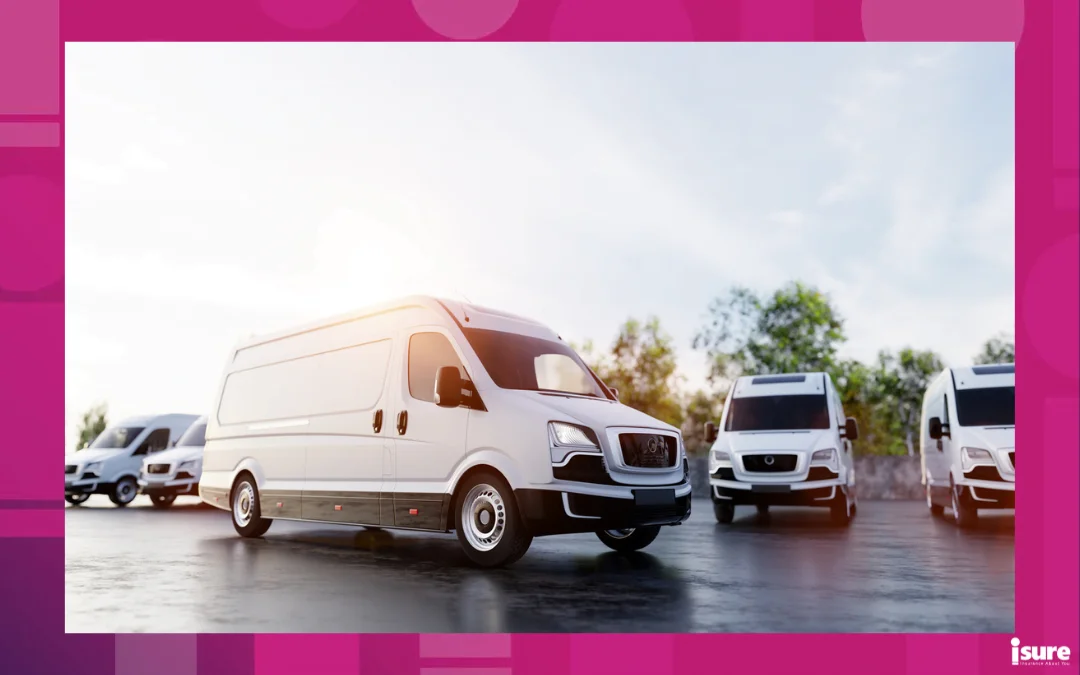
An expert panel in Quebec has embraced a recommendation from the Société de l’Assurance Automobile du Québec (SAAQ) to overhaul the categorization of commercial vehicles for insurance purposes. This overhaul seeks to implement four streamlined categories and is expected between 2025 and 2027. It reflects insights from a 2021 panel report containing 41 key observations and recommendations intended to better align insurance rates with the risk associated with different types of vehicles on the road.
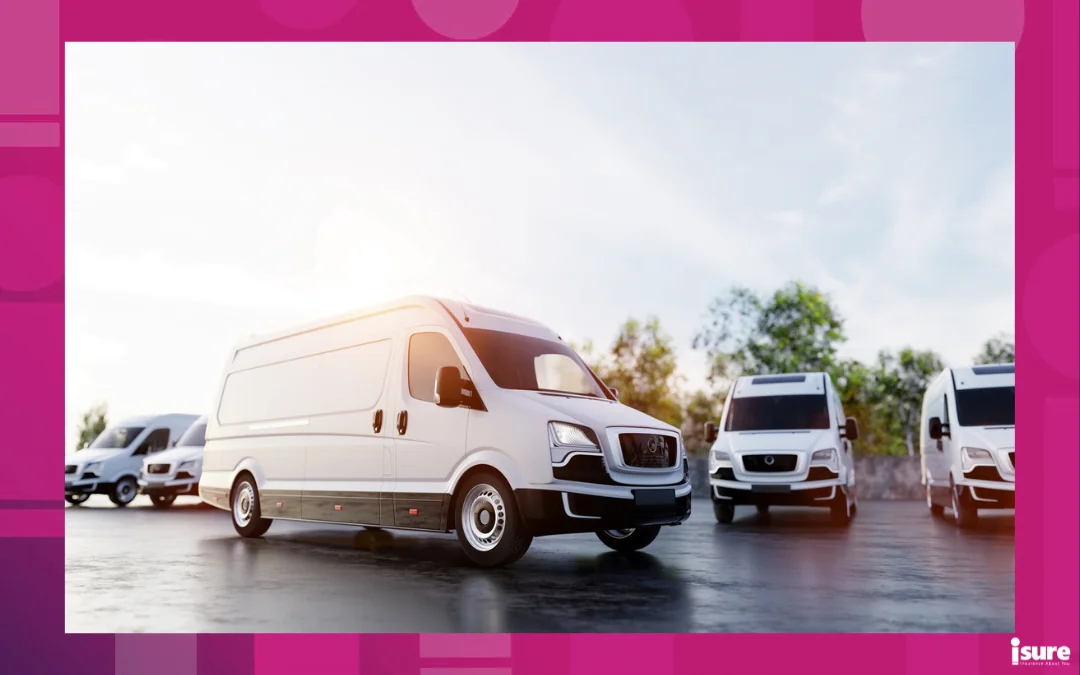
Details of the New Insurance Categories
The proposed overhaul includes a categorization system designed to simplify the current setup, which spans 18 categories for over 1.1 million commercial vehicles. Presently, the largest category comprises vehicles with license plates prefixed by "F," which includes a wide array of vehicles utilized in various sectors. This broad grouping of commercial vehicles encompasses:
- Trucks
- Pick-up trucks
- Vans that weigh 3,000 kilograms or less
- Driving school vehicles
- Snow blowers
- Ambulances
- Hearses
- Selective motor homes
- Tow trucks
Identification of Commercial Vehicles
A license plate starting with an "F" indicates the vehicle’s use for commercial purposes, but this broad classification fails to distinguish adequately between different risk profiles. The proposed restructuring aims to segment this category into four more specific groups, which are designed to give clearer insight into the nature of each vehicle's use. The new categories are:
- Passenger vehicles for commercial use
- Motor homes
- Emergency vehicles
- Other commercial vehicles with an F prefix
By introducing these categories, SAAQ aims to implement insurance contributions that are tailored to the specific risk profiles associated with each vehicle type. For example, emergency vehicles—critical for public safety—are projected to bear an insurance contribution of $121.23 in 2025, with slight increments in the coming years. In contrast, motor homes will face lower contributions, starting at $58.24 in 2025. The restructuring aims to capture around 90% of the previous F-prefixed vehicles, with the remaining segment primarily consisting of tool vehicles utilized by tradespeople. This shift will help ensure that insurance rates reflect the true risks associated with each vehicle type, fostering a more rational insurance environment.
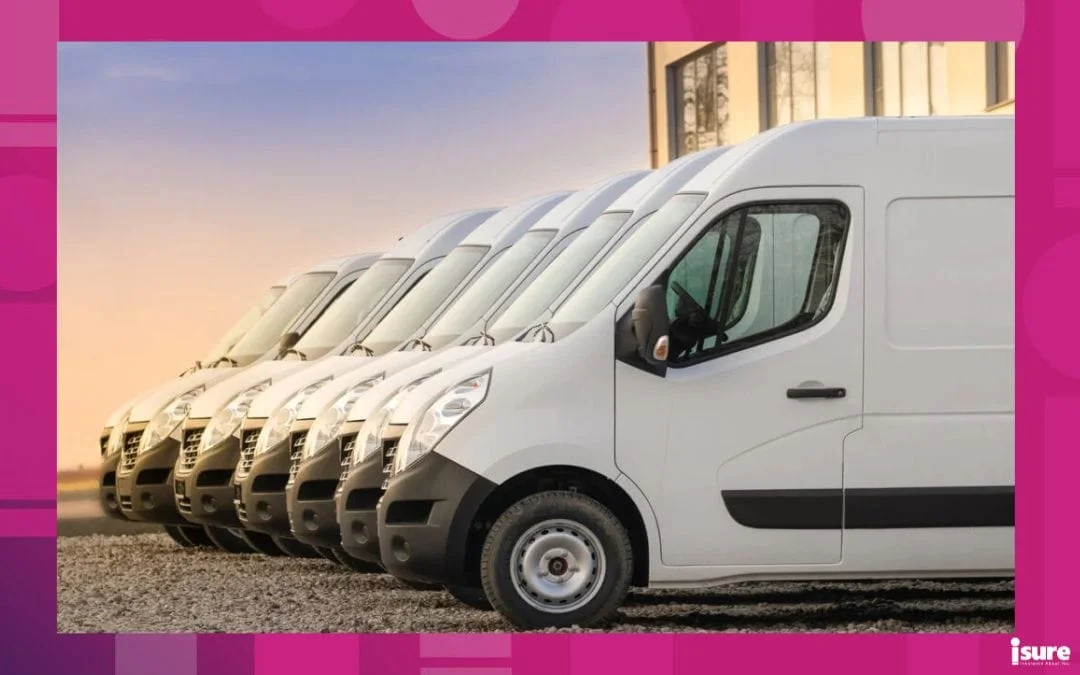
Insurance Coverage in Quebec
In Quebec, the basic insurance for bodily injury is managed by the government, a structure that differentiates it from many other provinces where private insurers play a more dominant role. However, property damage coverage is handled by private insurers, adding a layer of complexity to the system. The expert panel endorses SAAQ’s proposed contributions for 2025 to 2027, deeming them equitable and compliant with existing laws and regulations. This conclusion follows a thorough analysis of SAAQ's methodology in determining insurance rates and data verification after engaging the public for consultation.
Implications for Ontario Commercial Auto Insurance
While the changes in Quebec may streamline their commercial auto insurance system, the implications for Ontario’s market remain murky. In Ontario, commercial auto insurance—covering vehicles employed for business purposes—is not just a good idea; it’s essential for protecting business owners from liability arising from accidents involving business vehicles. The Ontario market operates under different regulations and classifications, which can create challenges for businesses operating across provincial lines.
Essentials of Commercial Auto Coverage in Ontario
- Commercial auto insurance is mandatory if your vehicle's use is business-related—this isn’t just a technical requirement, but a safeguard to mitigate risks.
- Coverage extends to various vehicle types, including cars, vans, trucks, and more, allowing for flexibility in business operations.
- Personal auto insurance policies typically don’t cover business activities, emphasizing the need for tailored coverage.
Standard Coverages in Commercial Auto Policies
- Third-party liability (minimum $200,000 per accident), which is a foundational element in protecting business assets.
- Accident Benefits that provide further financial security.
- Uninsured auto coverage to protect against the unknowns of the road.
- Direct Compensation-Property Damage (DCPD), a unique offering in Ontario that simplifies the claims process。
Types of Commercial Auto Insurance Policies
- Business use: This option is tailored for small businesses, home-based operations, and entrepreneurs, allowing them to add “business use” to personal auto policies at a potentially lower cost.
- Business use for multiple drivers: This policy accommodates situations where several employees will use the vehicle, ensuring that the business remains compliant and well-protected.
- Commercial auto use only: Intended for vehicles used solely for business operations, these vehicles often have features altered for work, such as specialized tool beds in trucks.
With commercial activities expanding across Ontario, understanding the nuances of insurance coverage isn’t just helpful; it’s vital for maintaining business continuity. If you're working in this space or running a business, contacting insurance professionals can outline the right type of coverage tailored to your specific needs. For further assistance, consult an isure representative who can guide you in selecting the best policy to protect your business assets.
Future Outlook and Considerations
As Quebec revamps its commercial auto insurance framework, the developments hold significant implications for neighboring provinces, especially as discussions about regulatory harmonization intensify. If Ontario chooses to adopt similar reforms, there might be financial adjustments and new strategies businesses need to understand. The modernization of insurance categories could lead to a more equitable system, aligning premiums closely with actual risks. This could also encourage responsible vehicle use among businesses. However, businesses should remain cautious; changes also come with transition risks and potential administrative burdens during the implementation phase. That's why maintaining an ongoing dialogue with insurance professionals can prove beneficial. What this means for you as a business owner is that staying informed and proactive could shield you from unpredictable shifts in insurance costs or coverage requirements.
The post Proposal for Streamlining Commercial Auto Insurance in Quebec appeared first on isure.


