A recent court decision sheds light on the strategies policyholder attorneys use, emphasizing the importance of solid causation evidence and investigation by insurers.
Policyholder attorneys frequently try to bypass critical steps in proving claims, often presenting challenges to insurers that can muddy the waters regarding coverage and causation. Rather than proving that a loss is within the coverage of a policy, these attorneys sometimes attempt to compel insurers to disprove coverage, relying on padded damage estimates and questionable causation arguments.
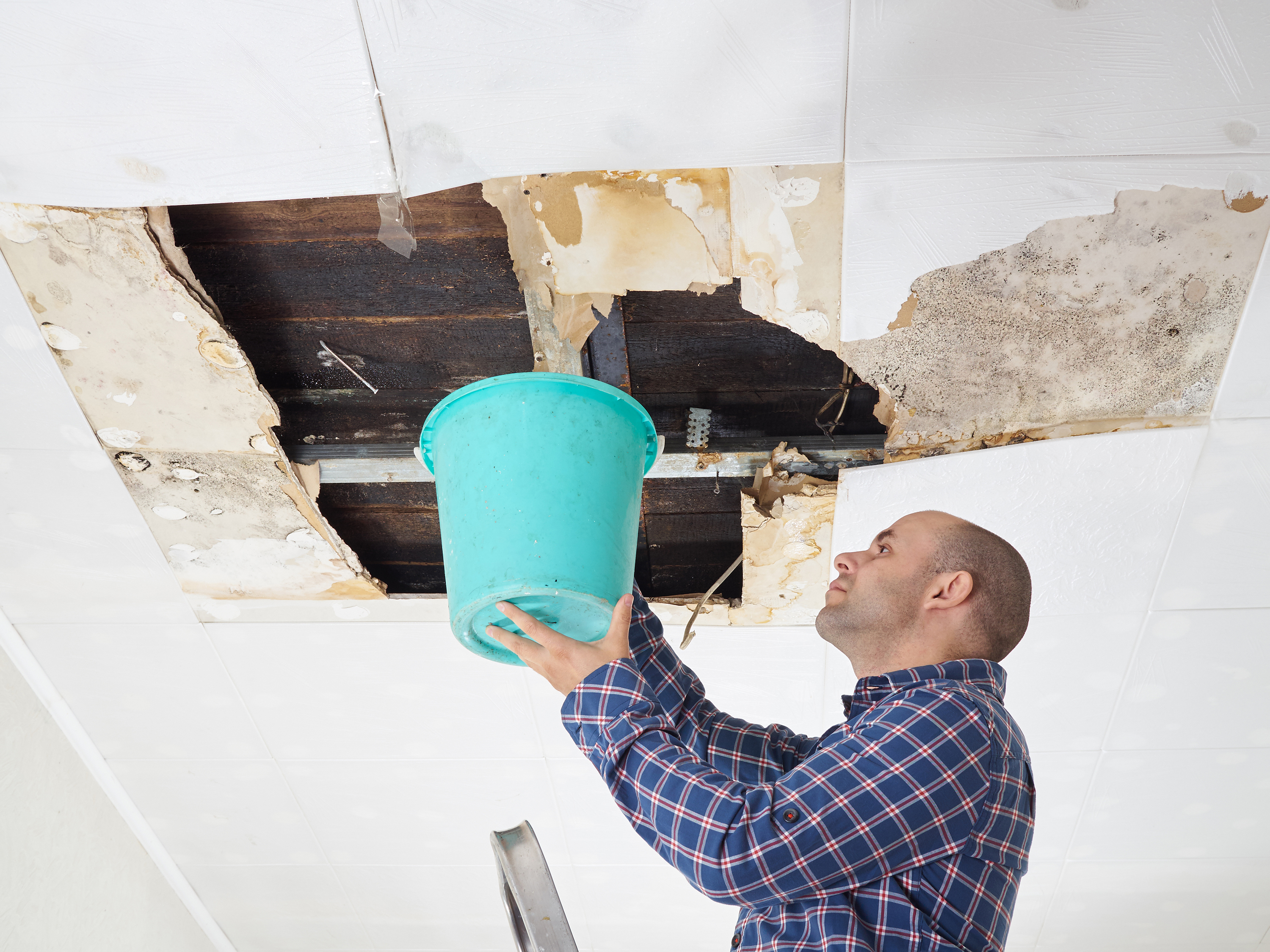
For instance, a common tactic involves engaging consultants or public adjusters to prepare extensive estimates detailing all forms of damage, regardless of whether they stem from a covered cause. This approach can include everything from a water-stained ceiling to minor dents on building exteriors—all included to inflate the claims and leverage negotiations in favor of the policyholder. In many instances, these attorneys might forego hiring an engineer to provide credible causation opinions, opting instead for generic reports filled with vague terminology.
Case Overview: Papa Yolk's Grill, Inc. v. AmGUARD Ins. Co.
Judge Sim Lake's decision in the case of Papa Yolk's Grill, Inc. v. AmGUARD Ins. Co. serves as a pertinent example of these tactics in action. The case involved an all-risk policy with a limitation concerning damage requiring a storm-created opening and exclusions related to wear and tear. The insured claimed damage due to Hurricane Harvey, but the field adjuster found no damage to the roof. Instead, potential causes of the water damage were identified, such as an issue with the air conditioning unit or a roof vent. Importantly, the adjuster suggested a cause-and-origin investigation, which the insurer did not pursue, leading to claim denial.
In this instance, the policyholder initiated a lawsuit against the insurer for breach of contract and alleged violations of the Texas Insurance Code and the Deceptive Trade Practices Act (DTPA). Following discovery, the insurer moved for summary judgment, arguing that the policyholder failed to provide evidence linking the damages to a covered peril.
Court Ruling on Coverage and Causation
The court quickly addressed the policyholder's attempt to circumvent the storm-created opening requirement, concluding that the policy did not allow for a broad interpretation of coverage without evidence supporting a storm-related cause. The court also rejected the argument that the interplay between different policy provisions created ambiguity, reinforcing the necessity of demonstrating a covered loss.
The judge pointed out that the insured's theory of coverage—asserting that wind damage occurred—was not substantiated by any expert reports or witness testimony. While the insured argued that the lack of evidence was due to the insurer’s withholding of the field adjuster's report, the court clarified that this line of reasoning failed. Specifically, it reiterated that the burden lay with the insured to demonstrate a covered cause for the loss.
Challenges with Expert Testimony
The court also dismissed an affidavit from the policyholder’s local insurance agent, citing contradictions with earlier testimonies and a lack of clarity about the agent’s knowledge concerning the claim. The judge emphasized that courts have the right to exclude affidavits perceived as unreliable, reiterating the need for substantial evidence in such cases.
Furthermore, the court addressed the idea that the adjuster’s suggestion for further investigation indicated a genuine dispute regarding causation. However, the ruling made clear that abstract doubts are insufficient to survive summary judgment; affirmative evidence linking wind damage to the claim was necessary.
Allocation of Damages
On the topic of damage allocation, the court found no evidence that could clarify the division between potential negligence on the part of the landlord and other causes of loss. The court also stated that the insured could not claim damages for spoiled goods or business interruption if those losses weren't part of the claims being pursued.
Extracontractual Claims and Duty to Investigate
The court elaborated on Texas law that bars extracontractual claims in the absence of a covered claim, firmly stating that an insurer’s failure to thoroughly investigate a claim does not exempt it from liability when there is no covered loss. As such, all claims of bad faith by the insured were dismissed, illustrating the fundamental principle that without a covered loss, there can be no basis for extracontractual recovery.
Additionally, the court rejected a request for the late designation of an expert witness concerning wind damage, viewing it as indicative of the insured's failure to establish evidence of a covered loss or to articulate an allocation of damages from the claimed causes.
Takeaways for Insurers and Policyholders
This case delineates several significant principles that can assist insurers when navigating similar claims. Notably, Texas courts recognize that insurers are not obligated to pursue every possible investigative avenue. The duty to investigate is limited based on the claim's nature, value, and complexity, allowing insurers some discretion in how they manage investigations of potential claims.
In light of these judicial interpretations, insurers should be vigilant in assessing whether they have sufficient evidence of causation prior to denying claims. Policyholders, on the other hand, can benefit from ensuring their claims are accompanied by thorough and credible evidence of coverage to prevent potential denials based on lack of substantiation.