A body shop's liability and coverage responsibilities can be complex, especially when an employee accidentally damages another vehicle. Here's a breakdown of key considerations.
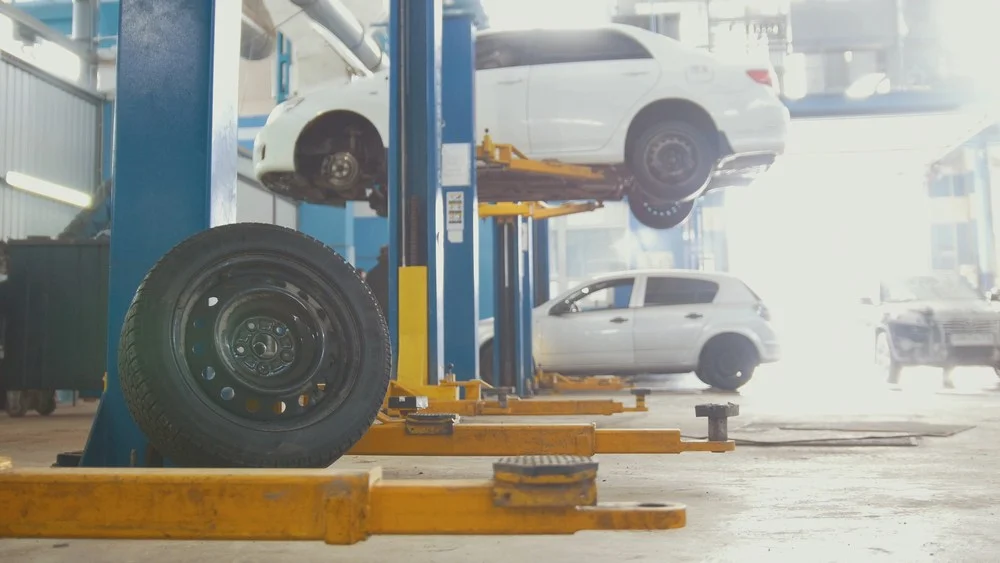
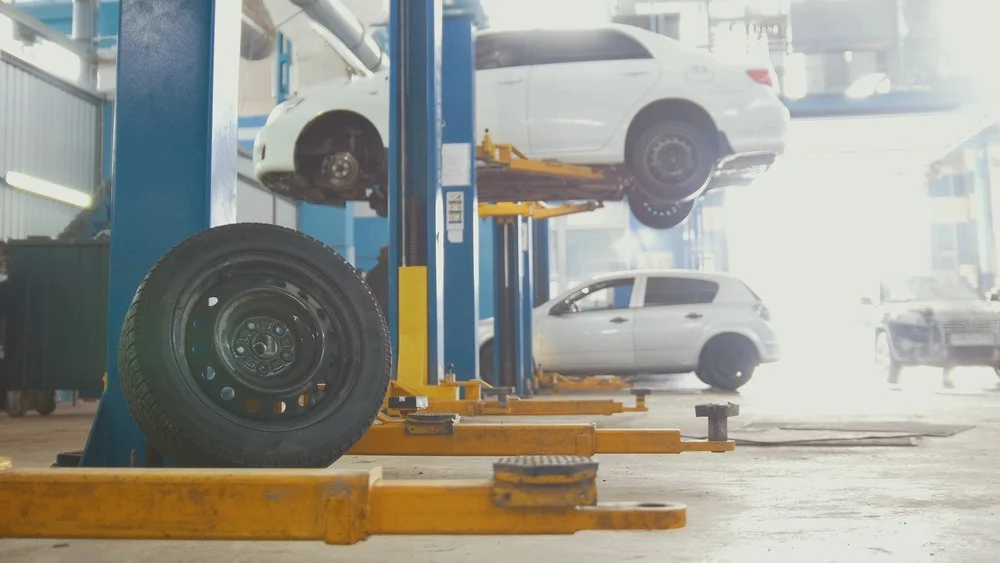
A recent incident at a body shop raised important questions about liability when an employee causes damage to a third-party vehicle. In this case, an employee backed a customer’s car out of the shop and inadvertently into another parked vehicle, leading to a claim for damages. The body shop’s garage liability insurer declined to pay, citing that the policy only provides excess coverage for non-owned vehicles, placing primary liability instead on the customer's personal auto policy.
The garage liability policy's wording includes an "Amendment of Other Insurance Provision," stating:
4. This insurance shall be, with respect to any auto to which this insurance applies:
a. Primary insurance for any auto owned by you;
b. Excess insurance over any other collectible insurance for any auto you did not own.
In essence, the insurer contended that the customer's personal auto policy was the primary coverage, thus responsible for the third-party damages. However, the agency representing the body shop argued that since the incident occurred on the premises and involved an employee acting within the scope of their work, the garage liability policy should indeed cover the damage.

Is the Body Shop's Liability Policy Enough?
State insurance laws and policy specifics play a significant role in determining how claims are handled. In this instance, the agency referred to the Coverage A of the garage liability policy, which generally mandates the insurer to cover damages for bodily injury or property damage that falls within the policy's terms. Given that the employee was performing garage operations, one could argue that the garage is responsible for the damages caused.

The conditions under which a garage liability policy operates, especially concerning other collectible insurances, are crucial. If multiple insurances exist, the "Other Insurance Provision" limits the insurer's responsibility. Yet, in this particular situation, the personal auto policy likely excludes coverage for anyone employed by an auto service provider, meaning no "collectible insurance" is available to cover the third-party damage from the body shop's perspective.

Expert Insights into Coverage Type
Experts in the field provide additional perspectives on how such situations are often misinterpreted. Typically, coverage for damages to a customer’s vehicle held by a body shop is covered under garagekeepers insurance, which differs from standard garage liability insurance. Garagekeepers insurance provides direct primary coverage for vehicles under the shop's care, custody, or control. This provision would likely be the most appropriate avenue for this claim, given the circumstances.

Under garagekeepers insurance, the policy might stipulate conditions of coverage that allow the garage to fulfill its obligations by compensating the customer or covering repair costs directly. According to established practices, these policies often require the garage to cover repair costs or property replacement in case of loss or damage.
This dual insurance framework can sometimes confuse stakeholders: an employee's actions causing third-party damage while the vehicle was in a garage's care should primarily trigger garagekeepers coverage rather than relying solely on garage liability. Garagekeepers’ policies are structured to protect against such liabilities, thus ensuring that body shops are not left unprotected when incidents occur.

Advice for Body Shop Owners and Policyholders
For body shop owners, understanding the intricate details of your insurance coverage remains essential in accurately navigating claims scenarios. It’s crucial to ensure that you have appropriate coverage that caters to potential risks associated with customer vehicles. Here are some practical steps:
- Review Your Coverage: Policyholders should regularly review their existing insurance coverage, specifically looking for garagekeepers insurance, to ensure they’re adequately protected against client claims.
- Document Incidents: Keeping thorough documentation of any incidents involving customer vehicles can aid in the claims process. Such records provide essential evidence when disputing liability or coverage issues.
- Consult with Experts: Engaging with an insurance agent or legal expert versed in commercial auto coverage can clarify any uncertainties regarding the applicability of different policies in claims situations.
- Communicate with Insurers: Maintaining open lines of communication with insurers can help clarify responsibilities and avoid misunderstandings that could result in claims disputes.
As dynamics in the automotive repair and insurance sectors continue to evolve, understanding your coverage and the implications of policy language becomes increasingly important. For body shops, staying updated will not only safeguard against financial liabilities but also contribute to building trust with customers.