A recent case illustrates the limitations of commercial property coverage regarding fences, highlighting exclusions even with expanded coverage endorsements.
A recent incident involving wind damage to a fence has brought to light significant nuances in commercial property insurance coverage. The insured, under a commercial policy, faced denial of coverage after submitting a claim for damage to a fence, which was deemed outside the parameters of the building and personal property coverage form, CP 00 10 10 12.
Coverage Exclusions Explained
The specific section of the form outlining what is not covered states:
2. Property Not Covered
Covered property does not include:
q. The following property while outside of buildings:
(2) Fences, radio or television antennas (including satellite dishes) and their lead-in wiring, masts or towers, trees, shrubs or plants (other than trees, shrubs or plants which are “stock” or are part of a vegetated roof), all except as provided in the Coverage Extensions.
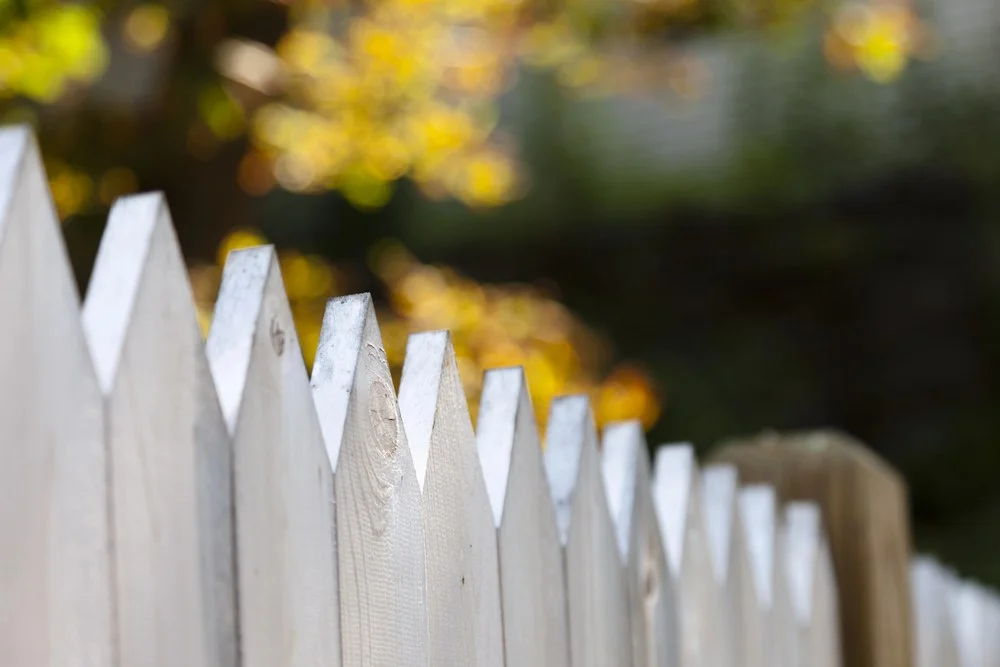
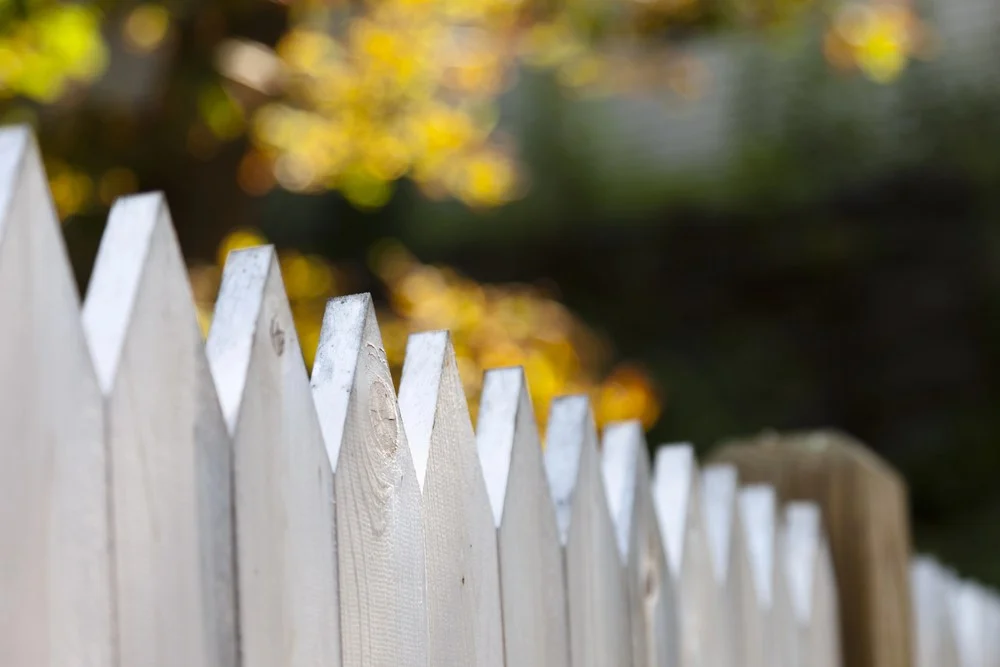
This exclusion is critical for policyholders and agents to understand. While it might seem logical to assume that a fence, being a structure, would receive coverage, the policy explicitly states otherwise, citing fences as excluded property.
The Role of Expanded Coverage Endorsements
In efforts to advocate for the inclusion of coverage for the damaged fence, the agent pointed to the Commercial Property Expanded Coverage Endorsement CP 71 81 03 21. This endorsement states:
Section A. Coverage 1. Covered Property
a. Building, the following is added:
Appurtenant Buildings or Structures at the described premises. The most we will pay for Appurtenant Buildings or Structures in the limit shown in the Schedule above. Any Appurtenant Building is defined as another building or structure on the same premises as the principal structure, including, but not limited to a detached garage, storage building, or detached carport.
The endorsement does add certain structures to the coverage, and both the agent and the insurer agree that a fence qualifies as a structure. Nonetheless, after comprehensive review, the carrier upheld its initial denial, firmly asserting that the exclusion for fences in the underlying commercial property policy was not overridden by the endorsement.
Complexities in Policy Language
This raises a pertinent question for many agents and policyholders: If a fence is classified as a structure, why does the Expanded Coverage Endorsement not extend coverage to it? Here's where policy language becomes complex. Insurance policies often start with broad coverage descriptions but narrow them through specific exclusions. The company may have opted to permit some structures while intentionally excluding others, such as fences.
Conditions Under Which Fences Might Be Covered
The only allowance for coverage of fences comes under the Outdoor Property Coverage Extension within the commercial property policy. However, this coverage is limited to specific causes of loss:
Coverage Extensions
Except as otherwise provided, the following Extensions apply to property located in or on the building described in the Declarations or in the open (or in a vehicle) within 100 feet of the described premises.
5. Outdoor Property
You may extend the insurance provided by this Coverage Form to apply to your outdoor fences, radio and television antennas (including satellite dishes), trees, shrubs, and plants (other than trees, shrubs or plants which are “stock” or are part of a vegetated roof), including debris removal expense, caused by or resulting from any of the following causes of loss if they are Covered Causes of Loss:
Fire;
Lightning;
Explosion;
Riot or Civil Commotion;
Aircraft.
Notably, the wind damage that prompted the claim isn’t covered under this provision, which only includes events like fire or vandalism.
The Takeaway for Policyholders and Agents
In this case, experts posit that while the endorsement may suggest that additional structures like fences could be covered, it does not explicitly extend coverage against the peril of wind. The conclusion here is essential: just because something qualifies as a structure doesn't inherently mean it will receive coverage. Understanding the exclusions and limitations within a policy is crucial for agents and policyholders alike.
Policyholders should closely examine their commercial property policies and consider discussing potential needs for additional endorsements or coverage specific to outdoor properties. Maintaining clear communication with clients about what is and isn’t covered can significantly affect claims outcomes and help set realistic expectations.
In summary, while expanded coverage endorsements can seem beneficial, clarity around limitations, especially concerning outdoor structures like fences, is vital for effective risk management in commercial insurance.
This discussion stems from an inquiry made via the Big “I” Virtual University’s Ask an Expert service, highlighting the need for thorough understanding and guidance in commercial property insurance decisions.