ACA shoppers face 15% premium increases, new identity checks in the federal marketplace and tighter subsidy eligibility. Compare plans early.
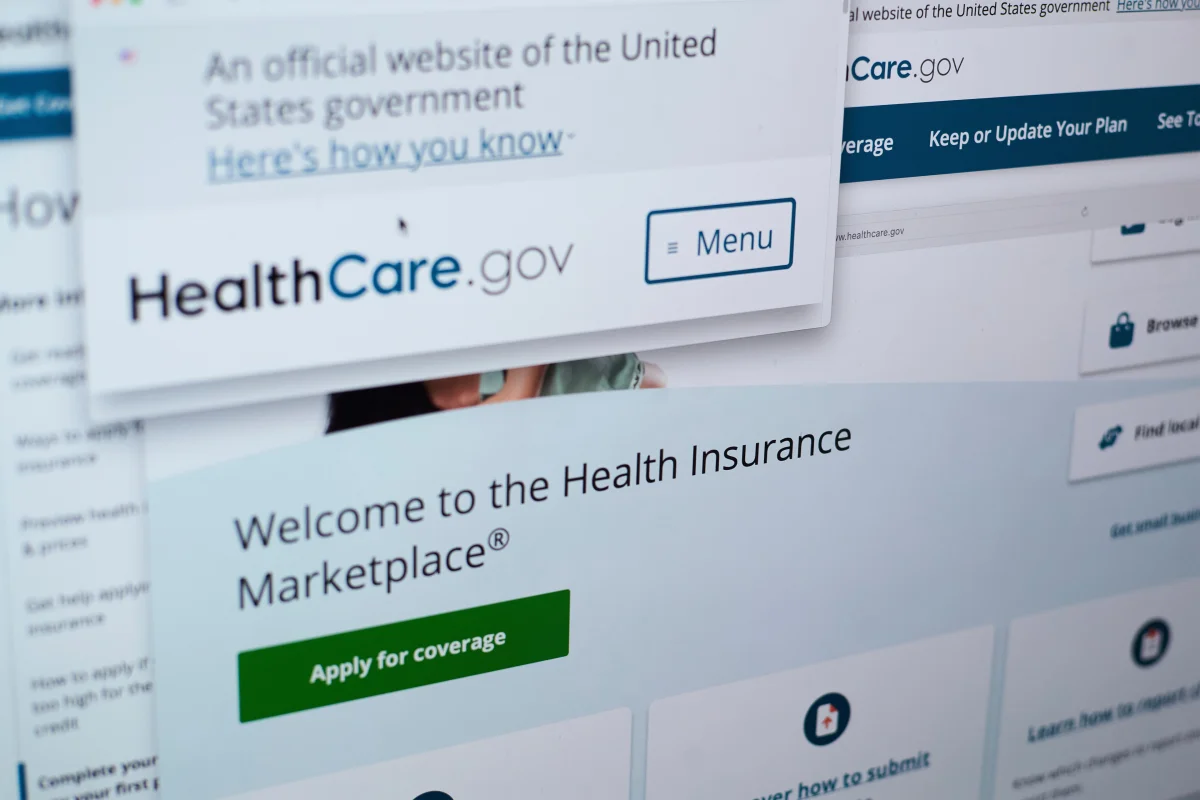
ACA shoppers preparing for 2027 coverage face three pressures at once: premiums are set to rise, some people will need extra identity checks to enroll through the federal marketplace, and fewer brokers may be available during open enrollment. Subsidies will still help many customers, but they are less generous than before the temporary enhancements expired.
Open enrollment begins Nov. 1 in most states. Idaho, Connecticut and Massachusetts start earlier, and some states have already opened a window for shoppers to preview rates. People who rely on brokers may want to schedule help early, while everyone shopping for coverage should check this year’s premiums and benefits before their current plan renews.
Federal marketplace enrollment may take extra steps
New identity and authorization procedures apply to consumers who enroll through an agent or broker using the federal marketplace, which serves 29 states. State-run exchanges set their own procedures, so the new steps do not apply to those marketplaces.
Anyone using an agent in the federal marketplace will need to authorize that specific person with a one-time code or link. The marketplace’s private enrollment platform will send it by text, email or automated phone call. Consumers returning with outdated or incorrect contact details must update them by calling the marketplace or submitting an online application before the agent can proceed.
Some applicants will also have to prove their identity themselves before authorizing a broker. The Centers for Medicare & Medicaid Services classifies first-time applicants as high risk, along with existing customers whose application involves moving to another state, changing agents, or paying a monthly premium of $30 or less.
Joshua Brooker, who oversees a Pennsylvania insurance agency, said a move or broker change could give a bad actor an opening to impersonate a customer. The low-premium threshold may also reflect concern that customers are less likely to notice an unauthorized enrollment when they receive little or no bill. Some rogue agents, Brooker said, have paid small premiums for customers while earning commissions.
Customers marked high risk must pass an identity check through a CMS-approved service such as Experian. The service may ask questions that the applicant should be able to answer. If the check fails, the person may need to contact Experian’s help desk or apply independently by creating a Healthcare.gov account and uploading identification, such as a driver’s license, passport or immigration papers.
That process could create problems for people who are legitimate applicants but have limited credit histories, have moved, or changed their names, said Stacey Pogue, a senior research fellow at Georgetown University’s Center on Health Insurance Reforms. Pogue said the steps could address improper enrollments while adding hurdles for others. Brooker estimates that as many as one in five consumers could face additional identity checks; he worries some may abandon enrollment instead.
Broker availability could tighten
A separate CMS moratorium prevents agents who weren’t registered with the federal marketplace in 2026 from helping with 2027 enrollments until February at the earliest, after open enrollment ends. CMS cited a disproportionate share of significant compliance concerns involving newly registered agents and said it had removed hundreds of agents and brokers for noncompliance this year.
Jason Fine, who runs a Florida brokerage, supports efforts to stop unauthorized plan changes. He said he has repeatedly reported agents who switched his clients’ coverage without permission. But the timing could make it difficult for smaller brokerages to staff up for the enrollment rush. Fine had planned to add as many as 10 agents to a core team of about five. Recruiters have told him that finding available agents who were registered in 2026 is unlikely.
Fine also worries the restriction could favor large call centers, which can keep more staff on hand throughout the year. He said some call centers had been involved in the marketing practices that raised concern about unauthorized switching. His view: the effort may make sense over time, but could cause disruption in the short term.
Agent groups have challenged the moratorium. The National Association of Benefits and Insurance Professionals filed suit on Oct. 15, saying the rule unfairly affects 19,000 agents who may want to sell ACA plans next year. Health Agents for America filed suit on Oct. 21 seeking a temporary restraining order. Its president, Ronnell Nolan, said the restriction would prevent some agencies’ newly trained staff from working.
For customers who depend on a broker, Pogue advises making an appointment early because fewer available agents could mean full schedules.
Subsidies and medical costs shape what customers pay
Most ACA customers who received coverage this year saw their costs rise after enhanced subsidies expired at the end of 2025. Higher earners lost subsidy eligibility entirely, while others received less help. The expiration also led millions to drop or lose coverage during the first months of this year, according to policy experts. A further decline in enrollment is expected.
Premium subsidies are linked to the local benchmark plan: the second-lowest-priced silver-tier plan in an area. That link can cushion the effect of premium increases for people who qualify, but the subsidies are less generous than they were with the enhancements. For 2027, they remain available to many shoppers, though households earning more than four times the federal poverty rate are ineligible. The source gives the income limits for this enrollment season as $63,840 for a single person, $86,560 for a couple and $109,280 for a family of three.
Premiums are slated to rise by 15% for the upcoming year, following a 26% average increase last year. Insurers have cited higher medical costs, general inflation and labor shortages among the forces behind higher premiums. Last year, concern that healthier customers would leave after the enhanced subsidies ended also contributed to insurers’ pricing decisions.
Louise Norris, a health policy analyst for HealthInsurance.org, said many customers may find overall affordability similar to this year, though she cautioned that this does not mean coverage feels inexpensive. Anne Petry, co-owner of Jaggi Petry Insurance & Investments in Forsyth, Illinois, said affordability remains a major concern for customers.
Compare the full cost before renewing
Agents and analysts advise customers to review available plans instead of letting coverage renew automatically. Premiums, deductibles and other costs can change even when a customer stays with the same plan. New insurers may offer alternatives, while Cigna and several other insurers have withdrawn from some or all of their ACA coverage areas.
Compare the premium alongside the deductible and other out-of-pocket costs. The annual out-of-pocket maximum—the most a customer pays toward covered in-network deductibles, copayments and coinsurance before the plan is expected to pay the remaining covered costs—is increasing by 13%. It rises from $10,600 for an individual and $21,200 for a family this year to $12,000 and $24,000, respectively, in 2027. Lower limits apply to households earning up to 2.5 times the federal poverty level.
Subsidy eligibility is also narrowing for many lawfully present immigrants. The changes remove eligibility for people including some H-1B visa holders, refugees, asylees, people with temporary protected status and applicants with pending green-card applications. Green-card holders, certain Cuban and Haitian immigrants, and citizens of Micronesia, the Marshall Islands or Palau can still receive ACA subsidies.
For shoppers, the practical task is to check eligibility, compare the year’s total costs and arrange enrollment help early if a broker is part of the process. Automatic renewal can leave customers with a plan that no longer fits their budget or coverage needs.
KFF Health News produces journalism about health issues and is one of the core operating programs at KFF, an independent source of health policy research and journalism. Learn more about KFF.
This article first appeared on KFF Health News and is republished under a Creative Commons Attribution-NonCommercial-NoDerivatives 4.0 International License.